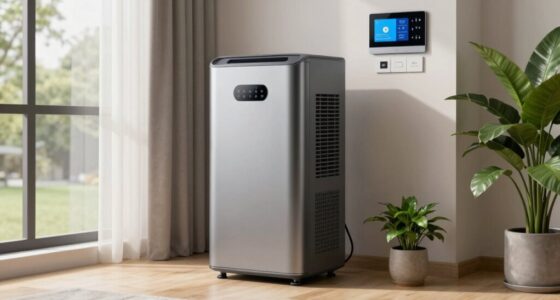

You’re more aware than ever of how indoor air quality affects your health because pollutants like dust, pet dander, chemicals, and bacteria are rising concerns. Modern environments often trap these contaminants, impacting your respiratory health, especially if you have vulnerable family members. Proper ventilation and air purification can make a big difference, but understanding how to optimize them is key. Keep exploring to learn simple ways you can improve your indoor air comfort and safety.

Get cleaning gear delivered free — and shop member deals
- Fast, free delivery on millions of items
- Access to Prime Big Deal Days deals on October 6–7
- Prime Video, Amazon Music and more included
Key Takeaways
- Increased time spent at home amplifies exposure to indoor pollutants and allergens.
- Rising awareness of health impacts emphasizes the need for cleaner indoor air.
- Modern building materials and household chemicals contribute to higher indoor pollution levels.
- Respiratory illnesses and allergies are more prevalent, highlighting air quality’s importance.
- Advances in purification and ventilation tech make maintaining healthy indoor air more achievable.
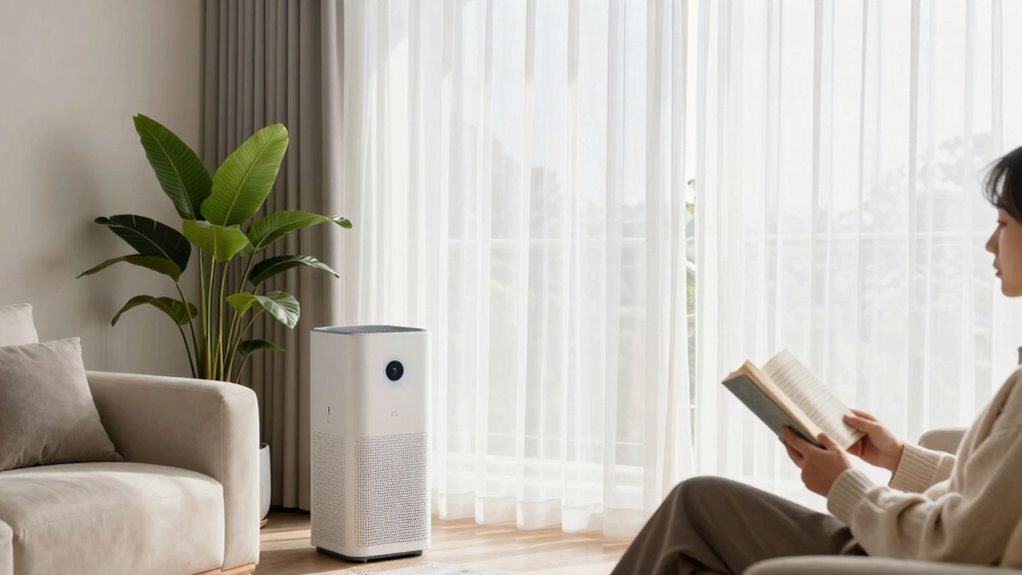
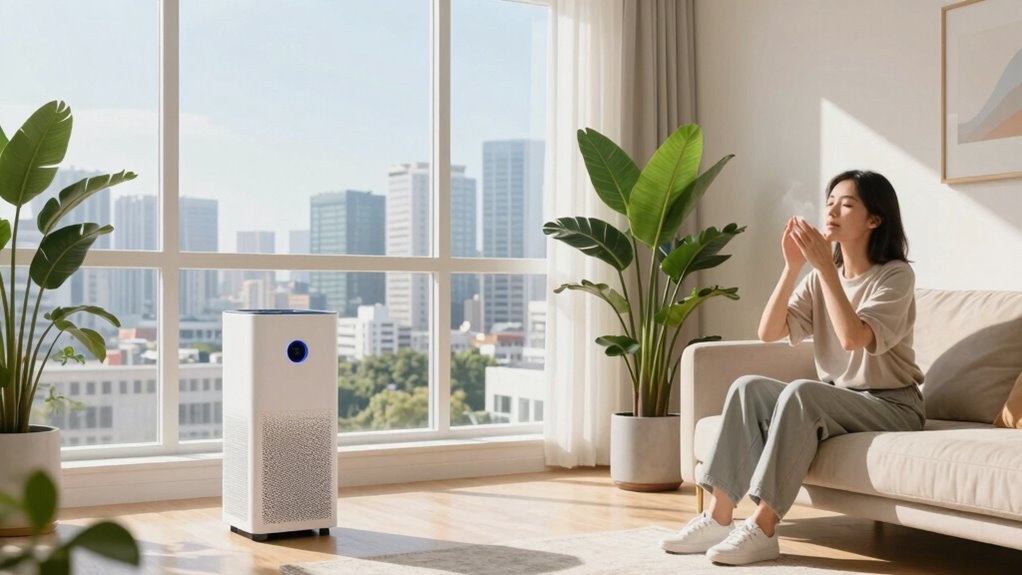
Have you ever wondered what the air inside your home truly contains? It’s easy to overlook, but the quality of the air you breathe every day matters more than ever. With concerns about airborne contaminants and allergens rising, focusing on air purification becomes essential. Air purification systems help remove pollutants, dust, pet dander, and even some bacteria from the air, making your living space healthier. But purification alone isn’t enough; ventilation strategies play a critical role in maintaining good indoor air quality. Proper ventilation ensures a constant exchange of indoor and outdoor air, reducing the buildup of harmful substances and humidity levels that can foster mold growth.
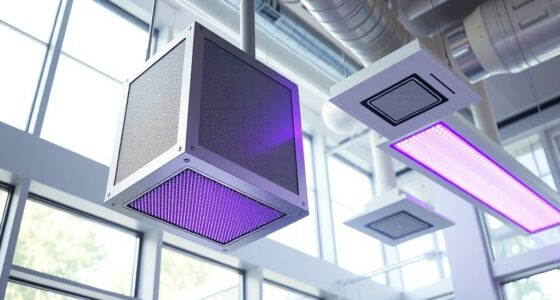
In today’s environment, indoor air can harbor a surprising amount of pollutants from sources like cleaning agents, cooking fumes, and even building materials. These contaminants can cause respiratory issues, allergies, and other health problems, especially for vulnerable populations such as children, the elderly, or those with pre-existing health conditions. That’s why integrating effective air purification solutions into your home setup is indispensable. HEPA filters, activated carbon filters, and UV air purifiers are some of the tools that can markedly improve air quality, catching airborne particles before they reach your lungs.
However, relying solely on air purifiers isn’t enough if your home doesn’t have proper ventilation strategies in place. Good ventilation dilutes and removes indoor pollutants, ensuring fresh air circulates throughout your living space. You might consider installing exhaust fans in kitchens and bathrooms to vent out moisture and odors or using energy recovery ventilators (ERVs) that bring in outside air while minimizing energy loss. Opening windows regularly can help too, but it’s not always feasible, especially in extreme weather conditions or polluted outdoor environments. That’s where mechanical ventilation systems come into play, providing a controlled way to improve airflow without sacrificing energy efficiency. Additionally, using air exchange rates effectively can help optimize indoor air quality by balancing fresh air intake with energy consumption. Understanding and implementing these indoor air quality standards is crucial for maintaining a healthy living environment and reducing exposure to harmful pollutants.
As an affiliate, we earn on qualifying purchases.
Frequently Asked Questions
How Does Indoor Air Quality Affect Mental Health?
Indoor air quality directly impacts your mental health by influencing mental clarity and focus. Indoor pollution from dust, mold, and chemicals can cause headaches, fatigue, and difficulty concentrating. When the air is clean, you feel more alert and mentally sharp. Poor air quality can lead to increased stress and anxiety, so maintaining good indoor air quality helps support your overall mental well-being and cognitive function every day.
What Are the Long-Term Health Risks of Poor Indoor Air?
Poor indoor air quality can lead to long-term health risks like respiratory issues, allergies, and even chronic lung diseases. When ventilation systems don’t work properly, airborne pollutants like dust, mold, and chemicals build up, increasing your exposure. Over time, this can weaken your immune system and cause persistent health problems. To protect yourself, guarantee proper ventilation and reduce airborne pollutants in your living or working space.
Can Indoor Plants Improve Air Quality Effectively?
Yes, indoor plants can improve air quality effectively. Certain plant types, like snake plants, pothos, and peace lilies, are known for their air purification abilities. They absorb toxins such as formaldehyde and benzene, helping to filter the air you breathe. By choosing the right plant types and maintaining them properly, you can enhance indoor air quality naturally, creating a healthier and more pleasant environment.
How Often Should Air Filters Be Replaced?
You should replace your air filter every 1 to 3 months, depending on the air filter lifespan and your home’s air quality. Check the manufacturer’s recommendations for replacement frequency, especially if you have pets, allergies, or high indoor pollution levels. Regularly changing filters guarantees your HVAC system runs efficiently, improves indoor air quality, and keeps allergens and dust from accumulating. Don’t delay replacements to maintain a healthier indoor environment.
What Role Do Building Materials Play in Indoor Air Quality?
Think of building materials as the silent storytellers of your home’s air quality. They release emissions that can cloud your indoor environment, like whispers of unseen toxins. Choosing materials that meet strict emission standards acts as a shield, preventing harmful pollutants from lingering. Your awareness of these materials empowers you to create a healthier space, where fresh air flows freely and your indoor environment stays pure, safe, and inviting.
energy recovery ventilator system
As an affiliate, we earn on qualifying purchases.
As an affiliate, we earn on qualifying purchases.
Conclusion
As you breathe in your home, remember that clean indoor air isn’t just a luxury—it’s your sanctuary’s lifeblood. With every breath, you’re invited to embrace healthier choices, turning your space into a fortress against unseen pollutants. Don’t let poor air quality steal your peace or well-being. After all, isn’t it time you prioritize the air that sustains you? Your lungs—and your future self—will thank you for it.
As an affiliate, we earn on qualifying purchases.
As an affiliate, we earn on qualifying purchases.
Fall Picks
fall essentials
As an affiliate, we earn on qualifying purchases.