To reduce allergens and improve indoor air quality using your HVAC system, start by regularly changing filters to trap dirt, pollen, and mold spores. Upgrade to high-efficiency filters for better particle capture. Maintain humidity levels between 30-50% to discourage mold and dust mites. Additionally, schedule routine HVAC maintenance to prevent mold buildup and ensure efficient operation. These tips will help create a healthier home environment—continue exploring for more ways to breathe easier and manage allergies effectively.
Key Takeaways
- Regularly replace HVAC filters with high-efficiency filters to trap smaller allergens like pollen and mold spores.
- Schedule routine HVAC maintenance to prevent mold and dust buildup that can circulate allergens throughout your home.
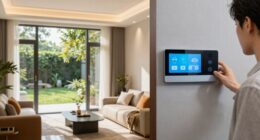
- Use HVAC systems with humidity control features to maintain indoor humidity between 30% and 50%, discouraging mold and dust mites.
- Ensure proper airflow and ventilation to reduce airborne allergen concentrations and improve indoor air quality.
- Combine HVAC maintenance with air purifiers and humidity management for a comprehensive approach to allergy relief indoors.
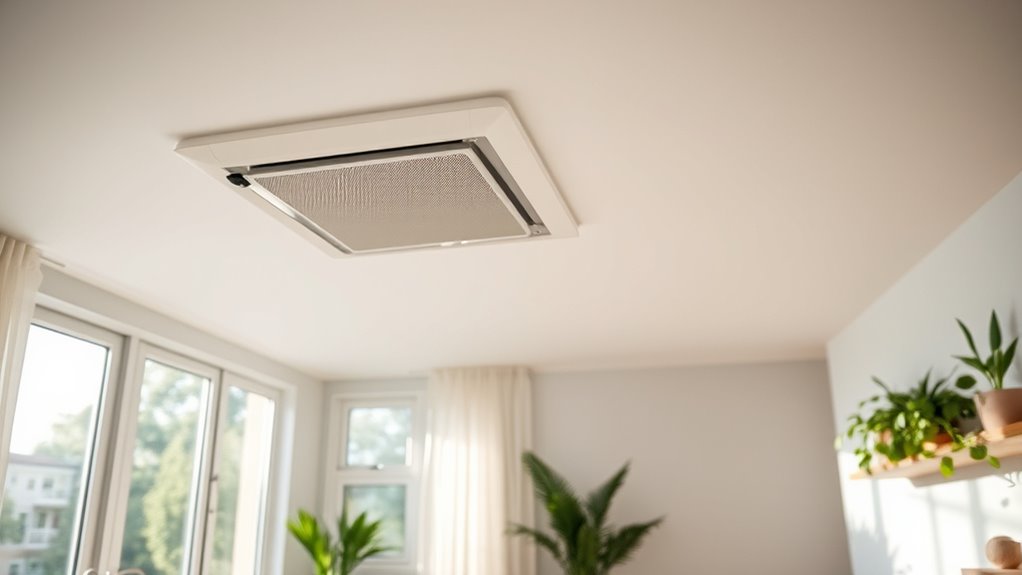
Indoor air quality plays a essential role in managing allergy symptoms, especially since many allergens can thrive inside your home. When your indoor environment isn’t properly maintained, allergens like dust mites, pet dander, mold spores, and pollen can circulate freely, triggering your allergies and making you feel miserable. Fortunately, you have tools at your disposal, such as air purifiers and humidity control, to improve your indoor air quality and reduce allergy symptoms effectively.
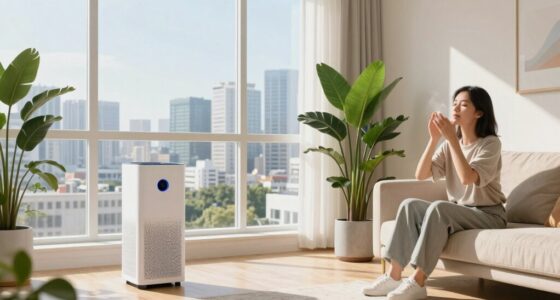
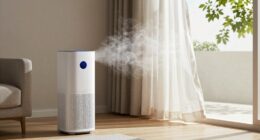
Air purifiers are a practical way to filter out airborne allergens. They work by pulling air through a HEPA filter, capturing tiny particles that might otherwise settle in your lungs or on surfaces. When you run an air purifier in common areas or bedrooms, it continuously cleans the air, considerably reducing the concentration of allergy triggers. Pairing an air purifier with regular cleaning can make a noticeable difference in how you feel, especially during peak allergy seasons. Make certain to choose a purifier with a HEPA filter and maintain it regularly to optimize its performance.
Air purifiers with HEPA filters reduce airborne allergens and improve indoor air quality.
Humidity control is equally essential in managing indoor allergens. Mold thrives in damp environments, and high humidity levels can cause dust mites to multiply rapidly. Keeping your home’s humidity between 30% and 50% discourages mold growth and limits dust mite populations. You can easily achieve this by using a dehumidifier or an HVAC system equipped with humidity control features. These devices help maintain a consistent moisture level, preventing the conditions that foster allergen growth. Proper humidity also reduces the likelihood of musty odors and mold spores becoming airborne, further improving your indoor air quality. Additionally, HVAC system maintenance is crucial to prevent the circulation of allergens and ensure optimal performance.
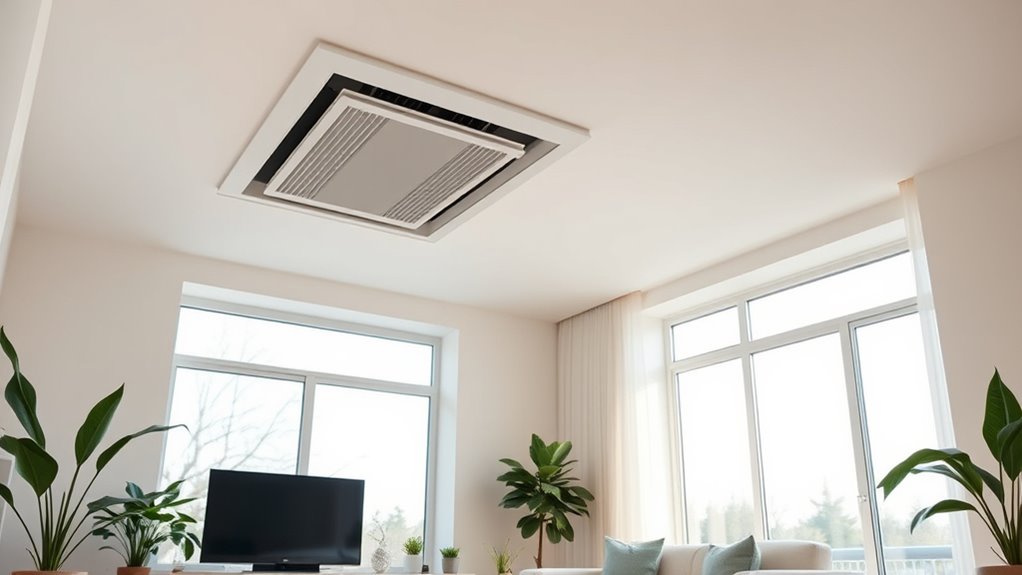
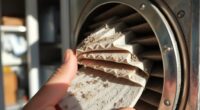
Your HVAC system plays a central role in allergen management when used correctly. Regularly changing filters, especially those designed to trap fine particles, ensures your system isn’t spreading allergens throughout your home. Consider upgrading to high-efficiency filters that can capture smaller particles, including pollen and mold spores. Additionally, scheduling routine maintenance for your HVAC system keeps it running efficiently, preventing the buildup of mold or dust that can circulate allergens.
Combining these strategies—using air purifiers, controlling humidity, and maintaining your HVAC system—creates an environment less hospitable to allergens. This integrated approach helps you breathe easier, reduces allergy flare-ups, and improves your overall comfort at home. Taking proactive steps to enhance indoor air quality isn’t just about comfort; it’s about taking control of your allergy symptoms and creating a healthier living space.

LEVOIT Air Purifier for Home Allergies and Pets Hair Smokers in Bedroom, H13 True HEPA Filter, 24db Filtration System Cleaner Odor Eliminators, Remove 99.97% Dust Smoke Mold Pollen, Core 300, White
- AHAM Verified for Performance: Independently tested for quality and efficiency
- Powerful Filtration System: 56W motor with 143 CFM CADR
- Effective Air Cleaning: Removes 99.97% dust, smoke, mold, pollen
As an affiliate, we earn on qualifying purchases.
As an affiliate, we earn on qualifying purchases.
Frequently Asked Questions
How Often Should HVAC Filters Be Replaced for Allergy Prevention?
You should replace your HVAC filters every 1 to 3 months to prevent allergen buildup. Regular filter maintenance guarantees allergens like dust, pollen, and pet dander don’t accumulate, which can worsen allergy symptoms. If you have pets or allergy sensitivities, consider changing filters more frequently, around every month. Keeping up with filter replacements helps maintain good indoor air quality and reduces allergy triggers effectively.
Can Humidifiers Help Reduce Indoor Allergens?
Think of your humidifier as a tiny superhero in your living room, battling sneezes and itchy eyes. Yes, humidifiers benefits include helping reduce indoor allergens by maintaining ideal humidity levels. When humidity hovers around 40-50%, dust mites and mold struggle to thrive, making your air cleaner. So, turn on that humidifier, and let it work its magic—less allergens, fewer allergy attacks, and happier, healthier days ahead.
What HVAC Settings Are Best for Allergy Sufferers?
You should set your HVAC system to optimize airflow by minimizing stagnant air and ensuring proper ventilation. Keep the temperature controlled within a comfortable range, around 68-72°F, to reduce allergen activity. Use high-efficiency filters and change them regularly. Additionally, enable the air filtration or purification features if available, and avoid rapid temperature fluctuations. These steps help allergy sufferers breathe easier by maintaining a cleaner indoor environment.
Are Air Purifiers Necessary if I Have a High-Efficiency HVAC System?
If you think a high-efficiency HVAC system alone will banish all allergens, think again—air purifiers are like superhero sidekicks for your air! They provide extra benefits by capturing tiny particles your HVAC might miss. Regular HVAC maintenance keeps your system running smoothly, but combining it with an air purifier maximizes allergy relief. Don’t rely on one—add one to supercharge your indoor air quality and breathe easier every day!
How Can I Identify if My HVAC System Is Spreading Allergens?
You can tell if your HVAC system is spreading allergens by scheduling an HVAC inspection and allergen testing. During the inspection, professionals check for dirty filters, mold, or dust buildup that might circulate allergens. Allergen testing identifies specific particles like pollen or pet dander in your system. If tests reveal allergens, consider cleaning your ducts, changing filters regularly, and possibly upgrading your HVAC filters to improve indoor air quality.

Amazon Basics 16x25x1 Air Filter 6-Pack, MERV 11 Electrostatic AC Furnace Filters for Allergies, Captures Dust and Pollen (Actual Size: 15.75" x 24.75" x 0.75")
- Enhanced Air Quality: Captures dust, pollen, and lint
- Improves Furnace Efficiency: Traps particles to protect system
- Durable Construction: Beverage board frame with wire mesh
As an affiliate, we earn on qualifying purchases.
As an affiliate, we earn on qualifying purchases.
Conclusion
By optimizing your HVAC system, you can substantially reduce allergens and breathe easier indoors. But don’t stop here—there’s more you can do to create a healthier environment. Imagine uncovering hidden allergens lurking in your home and taking control. Are you ready to explore advanced filtration options or smart technology that could transform your indoor air quality? The next step could make all the difference—are you prepared to take it?

ToLife Dehumidifiers for Home, 1000 sq.ft Dehumidifier for Basement Bathroom Bedroom with 95 OZ Water Tank, Auto Shut Off 7 Colors LED Light, Grey
- Efficient Dehumidification Technology: Semi-conductor condensation for quiet, effective moisture removal
- Dual Operating Modes: Powerful and sleep modes for quick or quiet operation
- 7 Color Ambient Lighting: Changeable and lockable LED colors for mood lighting
As an affiliate, we earn on qualifying purchases.
As an affiliate, we earn on qualifying purchases.

Oiktylr Mini Split Cleaning Kit with 2L Pressure Sprayer, Fits 38-48in
- Premium Waterproof PVC Material: Durable, wear-resistant, and foldable design
- 2L High-Pressure Sprayer: Includes long nozzle for effective cleaning
- Protective Waterproof Film: Self-adhesive to safeguard circuit boards
As an affiliate, we earn on qualifying purchases.
As an affiliate, we earn on qualifying purchases.