
Leaving appliances plugged in all the time wastes energy through phantom power, which can add up and increase your utility bills. It also poses safety risks if cords or outlets become damaged or faulty over time. Overloading circuits or daisy-chaining power strips can cause overheating and fires. Unplugging unused devices and maintaining your electrical system reduces waste and keeps your home safer. If you want to discover simple ways to improve your home’s efficiency and safety, keep going.

Get cleaning gear delivered free with Prime
- Fast, free delivery on millions of items
- Prime Video, Amazon Music and more included
- Member-only deals all year
Key Takeaways
- Unplugging devices reduces phantom power consumption, lowering energy bills and environmental impact.
- Leaving appliances plugged in can pose safety risks if cords or outlets become damaged.
- Overloading circuits by plugged-in high-wattage devices increases fire and electrical hazard risks.
- Regularly inspecting and unplugging unused appliances enhances household safety and electrical system longevity.
- Using smart plugs or power strips simplifies managing device power and prevents unnecessary energy waste.
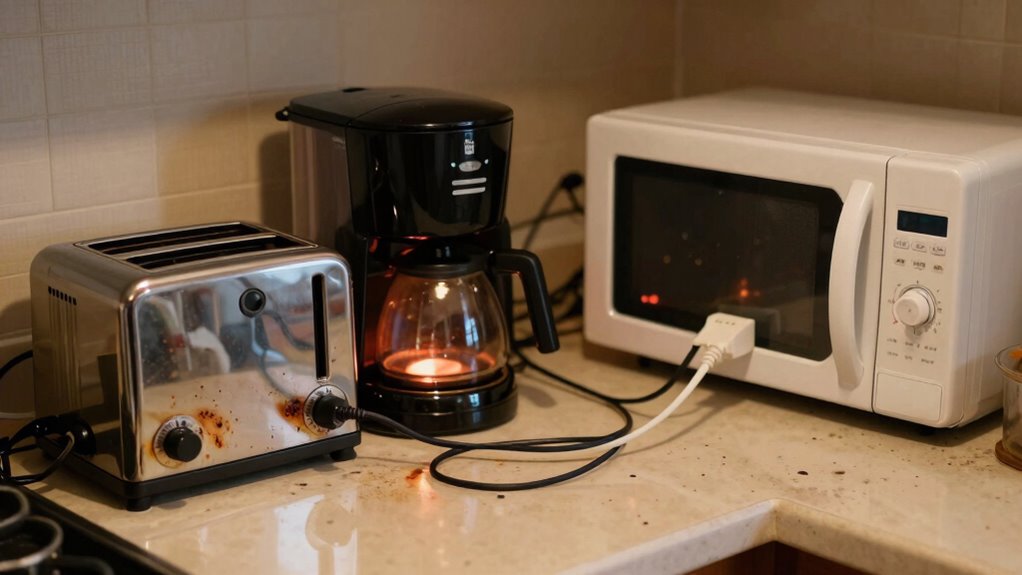
Have you ever wondered if leaving appliances plugged in truly poses a risk? It’s a common question, and the truth is, leaving devices plugged in can impact both your energy consumption and electrical safety. Many people assume that unplugging everything isn’t necessary unless an appliance is in use, but even when appliances aren’t active, they can still draw power. This is called phantom or standby power, and it can quietly add up over time, leading to unnecessary energy consumption. Small appliances like chargers, TVs, and kitchen gadgets often continue to draw electricity even when turned off, which means your household is wasting energy without realizing it.
Leaving appliances plugged in can waste energy and pose safety risks due to phantom power and wear over time.
From an electrical safety standpoint, leaving appliances plugged in isn’t inherently dangerous as long as your outlets and devices are in good condition. However, over time, wear and tear can develop, especially if outlets are faulty or if appliances are damaged. This can increase the risk of electrical hazards such as short circuits, sparks, or even fires. If you notice any frayed cords, scorch marks, or flickering outlets, it’s essential to address these issues immediately by unplugging the affected devices and calling a professional. Regularly inspecting your appliances and outlets helps maintain electrical safety, reducing the risk of accidents caused by faulty wiring or equipment. Additionally, understanding electrical system capacity can help prevent overloads and maintain safety in your home.
Another aspect to ponder is the potential for overloading circuits. Although most modern homes are equipped to handle multiple devices, plugging in too many appliances on the same outlet or circuit can cause overheating. This is especially true if you’re using high-wattage appliances like space heaters or large kitchen gadgets. To prevent this, try to distribute your appliances across different outlets and avoid daisy-chaining several power strips together. Proper electrical safety isn’t just about avoiding shocks; it’s also about ensuring your wiring isn’t overstressed, which can be a fire hazard. Understanding the importance of reducing standby power can help you make more energy-efficient choices and lower your utility bills over time. Being aware of electrical safety measures can further protect your home from potential hazards.
Additionally, regular electrical inspections can identify potential issues early, saving you money and preventing hazards before they become serious. Being aware of faulty wiring and addressing it promptly is crucial for household safety. While unplugging appliances when not in use may seem like a hassle, it’s a simple way to cut down on unnecessary energy consumption and improve electrical safety. Using smart plugs or power strips with switches makes it easier to turn off multiple devices at once, saving you money on energy bills and reducing strain on your wiring. Remember, maintaining good electrical habits keeps your home safer and more efficient. So, even if it feels minor, taking the extra step to unplug or switch off unused appliances can make a big difference in the long run.
smart plug with energy monitoring
As an affiliate, we earn on qualifying purchases.
As an affiliate, we earn on qualifying purchases.
Frequently Asked Questions
Do Appliances Consume Energy When Turned off but Still Plugged In?
Yes, appliances still consume energy when turned off but plugged in due to standby power. This standby power causes unnecessary energy wastage, even if the device isn’t actively in use. You can reduce this by unplugging devices when not needed or using power strips with switches. Cutting down on standby power helps save energy, lowers your electricity bills, and is better for the environment.
Can Leaving Appliances Plugged in Cause Electrical Fires?
Leaving appliances plugged in can indeed cause electrical hazards, even if they’re not in use. The irony? Standby power, meant to make devices ready, can overheat and spark fires. Small, seemingly harmless gadgets can become hidden dangers, increasing your risk of electrical fires. Always unplug high-risk appliances when not in use to prevent potential hazards and keep your home safe from unexpected electrical disasters.
Is It Safe to Unplug Appliances Regularly?
Yes, unplugging appliances regularly is safe and good for appliance maintenance. It reduces energy consumption and minimizes the risk of electrical fires caused by worn cords or faulty wiring. Always practice cord safety by avoiding damage and keeping cords away from heat or water. Unplugging appliances when not in use also helps prevent potential electrical hazards, prolonging their lifespan and keeping your home safer overall.
How Much Energy Do Idle Appliances Typically Use?
Idle appliances usually sip a few watts, hardly enough to fund a luxury vacation. But if you leave them plugged in, those tiny drips add up, draining your energy savings and costing you more in the long run. Regular appliance maintenance and unplugging unused devices can slash this phantom energy use, saving you money and reducing waste. Why not give your wallet and the planet a break?
Are There Appliances That Should Always Stay Plugged In?
Some appliances, especially in a smart home, should stay plugged in for energy savings and convenience. Devices like smart thermostats, security systems, and Wi-Fi routers need constant power to function properly and save energy by reducing unnecessary heating or cooling. Leaving these appliances plugged in guarantees they operate efficiently and provide quick access. However, unplugging less-used appliances when not in use can still save energy and reduce standby power consumption.
power strip with overload protection
As an affiliate, we earn on qualifying purchases.
As an affiliate, we earn on qualifying purchases.
Conclusion
So, leaving appliances plugged in all the time might seem harmless, but it’s like inviting tiny energy vampires into your home—sucking power and wasting your hard-earned money! Over time, they could cause your electricity bill to skyrocket faster than a rocket to the moon. Don’t let these sneaky appliances drain your wallet or your planet’s resources. Unplug them now—your savings and the Earth will thank you, and you might just save yourself from a future energy disaster!
As an affiliate, we earn on qualifying purchases.
phantom power reducing power strip
As an affiliate, we earn on qualifying purchases.
As an affiliate, we earn on qualifying purchases.
Halloween Picks
halloween
As an affiliate, we earn on qualifying purchases.