TL;DR
A roundup of Ideal Home heater coverage highlights five ways electric heaters can make homes more comfortable: targeted warmth, portability, faster local heating, flexible placement and combined heating and cooling. The articles also stress that costs vary by appliance and use; the available material does not establish that electric heaters are cheaper than central heating overall.
Ideal Home’s heater coverage describes five ways electric heaters can improve comfort at home, from warming a person or single room to providing portable and dual-purpose heating. The benefits depend on choosing a model suited to the space, while running costs vary and the available reports do not establish a universal cost advantage over central heating.

Get cleaning gear delivered free with Prime
- Fast, free delivery on millions of items
- Prime Video, Amazon Music and more included
- Member-only deals all year
1. Targeted warmth can help people who need heat in one spot rather than throughout the home. Coverage includes tabletop and desktop heaters, as well as a bedside model described as compact, quiet and quick to heat. This approach can suit a person working at a desk or getting up on a cold morning, but it does not mean the appliance heats the entire home efficiently.
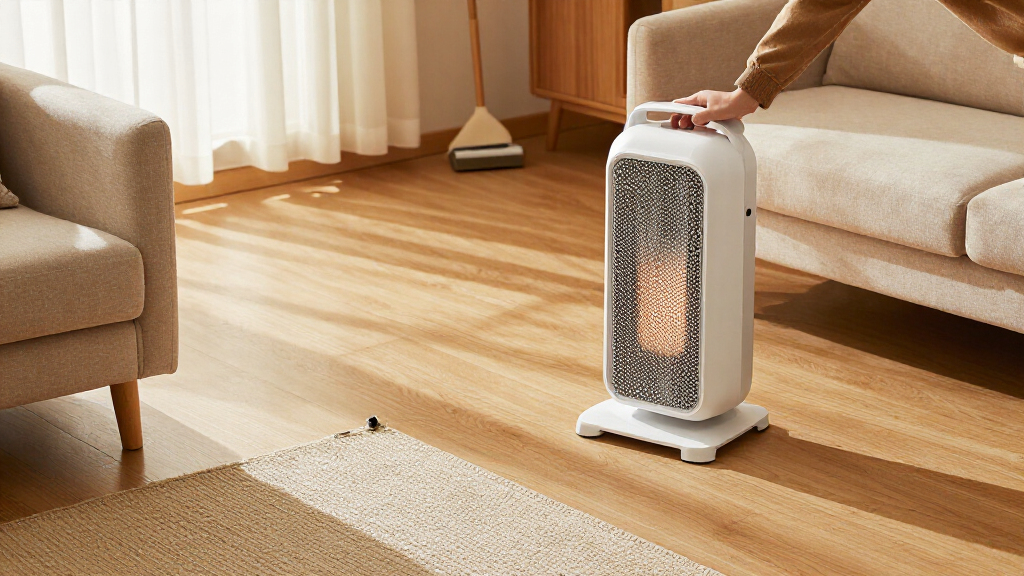
2. Portable models can be moved between rooms as needs change. Ideal Home’s coverage describes a small heater used in different rooms and a 1,500-watt Mill WiFi Max portable heater promoted for use in spaces including living rooms and bathrooms. Those examples show flexibility, not proof that every portable appliance is suitable for every room; the product instructions and room conditions matter.
3. Local room heating offers another way to address chilly spaces without immediately warming the whole house. Reviews in the roundup cover fan heaters, panel heaters and oil-filled radiators, with different designs and heat delivery. One reviewer reported using a small heater instead of turning on the heating for three weeks, but that personal test does not establish typical savings or performance in other homes.
5 Ways Electric Heaters Improve Home Comfort
Electric heaters can make targeted spaces more comfortable, with benefits that depend on the model and how it is used.
Five comfort benefits
The right design can address different needs around the home.
Heat one spot
Desktop, tabletop and bedside models can warm a person or small area.
Move between rooms
Portable models let you direct warmth where it is needed.
Warm a chilly room
Fan, panel and oil-filled heaters offer different ways to heat a space.
Choose the right form
Compact, panel and stove-style designs suit different spaces and uses.
Heating and cooling
Some models combine heating with a cooling function for use across seasons.
Match the heater to the space
Different designs deliver warmth in different ways; no type is established as best for every home.
- Desktop or tabletop units
- Bedside warmth for cold mornings
- Small areas and chilly corners
- Portable heaters moved as needs change
- Fan, panel or oil-filled designs
- Check placement and room suitability
Compare before buying
A heater’s usefulness and operating cost depend on its specific model and expected use.
Decide whether you need personal warmth, a portable room heater or another design.
Review rated power, controls, placement guidance and manufacturer instructions.
Compare likely running time and electricity prices with your household’s heating costs.
Cost claims need context
The available coverage provides no comparable running-cost figures or universal conclusion about savings.
Comfort Without Heating Every Room
For households with uneven heating needs, the central appeal of an electric heater is control over where warmth goes. A person using one room may value a portable appliance or a heater aimed at a desk or bedside area. That can make a cold corner more comfortable without requiring occupants to adjust the temperature everywhere at once.
That convenience is not the same as a guarantee of lower bills. Ideal Home’s coverage includes comparisons of heater running costs and whether electric heaters are cheaper than central heating, but the supplied material gives no specific price figures, usage assumptions or general conclusion. The practical outcome depends on the appliance’s power, how long it runs, the electricity tariff and the area being heated. Readers should compare costs for their own circumstances rather than infer savings from a product review.
Products Worth Considering

Levoit Vital 200S-P Smart Air Purifier for Large Rooms (up to 1875 ft²)

Dyson V8 Cordless Vacuum

Philips Hue Bridge Pro Smart Lighting Hub
As an affiliate, we earn on qualifying purchases.
Different Designs, Different Uses
The roundup spans several types of heaters: fan, panel and oil-filled models, alongside compact desktop units, tabletop heaters, portable appliances and a stove-style design. Each reflects a different comfort need. Fan heaters are featured for spreading warmth around a room; oil-filled radiators are described as providing longer-lasting warmth; and panel and compact models offer alternative form factors. These are descriptions from individual reviews, not a controlled comparison proving one category performs best in all homes.
Some products combine heating with another function. Coverage includes a fan with a cooling mode and a separate question about appliances that combine functions such as heating, cooling, air cleaning or dehumidifying. Dual-purpose designs may offer year-round use, but the roundup does not establish that a combination model replaces dedicated equipment or suits every household. The relevant details include the model’s functions, placement requirements and manufacturer guidance.
Costs and Room Suitability Vary
The available coverage does not provide comparable running-cost figures, a shared testing method or a confirmed finding that electric heaters are cheaper than central heating. It also does not specify typical room sizes, insulation levels, electricity prices or how long the reviewed appliances were used. Without those details, individual reviews should not be treated as a reliable forecast of household savings.
Safety and suitability also depend on the product and its location. The material flags common mistakes and outdoor-heater safety, but does not set out the full guidance or identify one universal set of rules for all models. Readers should follow the appliance manual, keep heaters clear of materials that could catch fire, and use only products rated for the intended setting. Whether a particular model can be used in a bathroom or outdoors must be checked against its manufacturer instructions.
Compare Models Before Buying
The next step for shoppers is to match the heater to the space and the way it will be used: a small personal unit, a portable room heater, a panel model or a dual-purpose appliance may serve different needs. Check the rated power, controls, placement guidance and any stated operating costs, then compare those details with the household’s electricity tariff and expected hours of use.
Ideal Home’s coverage includes product reviews and cost comparisons, but the material provided here does not give dates for further tests or a scheduled update. Until comparable figures and assumptions are available, claims about savings should be treated cautiously. The most reliable decision will rest on the specific heater’s instructions and costs under the buyer’s own conditions.
Source: rss
Key Questions
Can an electric heater warm just one person?
Yes. Desktop and tabletop heaters are presented as options for directing warmth toward a person or a small area. How well they work depends on the model and placement.
Are electric heaters cheaper to run than central heating?
The material does not establish a universal answer. Costs depend on power, running time, electricity prices and the area heated, so compare the specific appliance and likely use with the cost of the household’s central heating.
Can one electric heater be moved from room to room?
Some portable models are designed to move between spaces. Check the manufacturer’s instructions and confirm the heater is appropriate for each room, especially where moisture or outdoor exposure may be involved.
Do all electric heaters spread warmth in the same way?
No. The coverage discusses fan, panel and oil-filled heaters, among other designs. Their form and heat delivery differ, and the reviews do not establish one type as best for every home.
Source: idealhome.co.uk