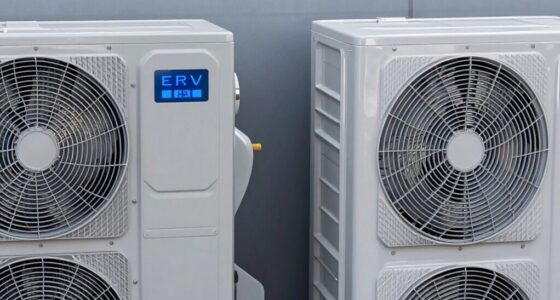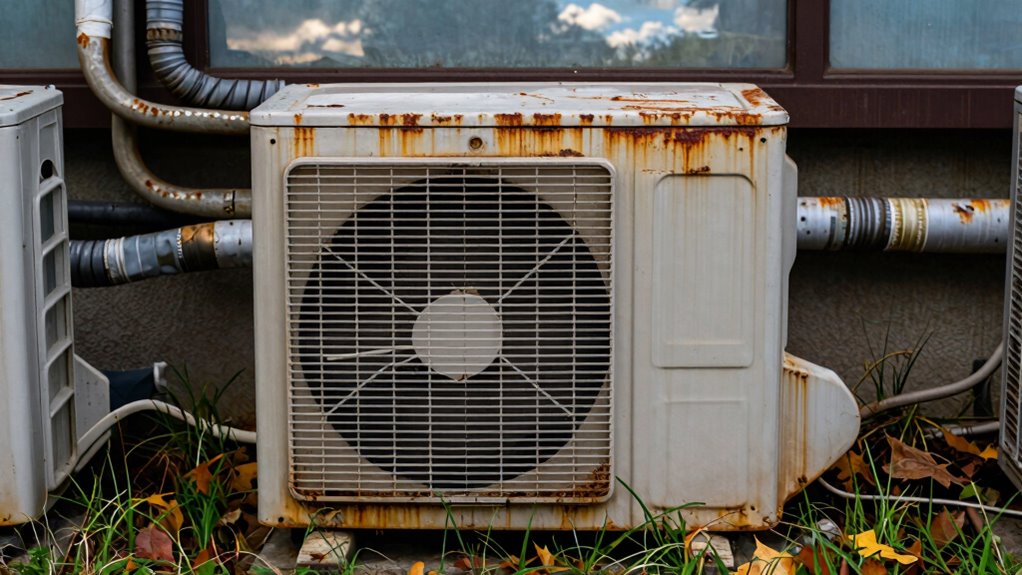

Before replacing your old AC, you should consider its energy efficiency, costs, and system size. Look for units with higher SEER ratings to save on energy bills long-term. Professional installation is key to guarantee correct setup and avoid higher future expenses. Budget for both initial costs and ongoing maintenance. Choosing the right system and professional help can maximize comfort and savings. If you want to know more about making smart choices, keep exploring your options.

Get cleaning gear delivered free with Prime
- Fast, free delivery on millions of items
- Prime Video, Amazon Music and more included
- Member-only deals all year
Key Takeaways
- Assess your current system’s efficiency and consider upgrading to a higher SEER-rated, energy-efficient model to reduce long-term costs.
- Proper sizing and professional installation are crucial to ensure optimal performance and prevent unnecessary energy use.
- Understand installation costs based on system type, ductwork, and electrical setup to budget accurately.
- Regular maintenance, including filter changes and inspections, is essential for sustained efficiency and longevity.
- Investing in a quality, energy-efficient AC can improve comfort, lower utility bills, and extend system lifespan.
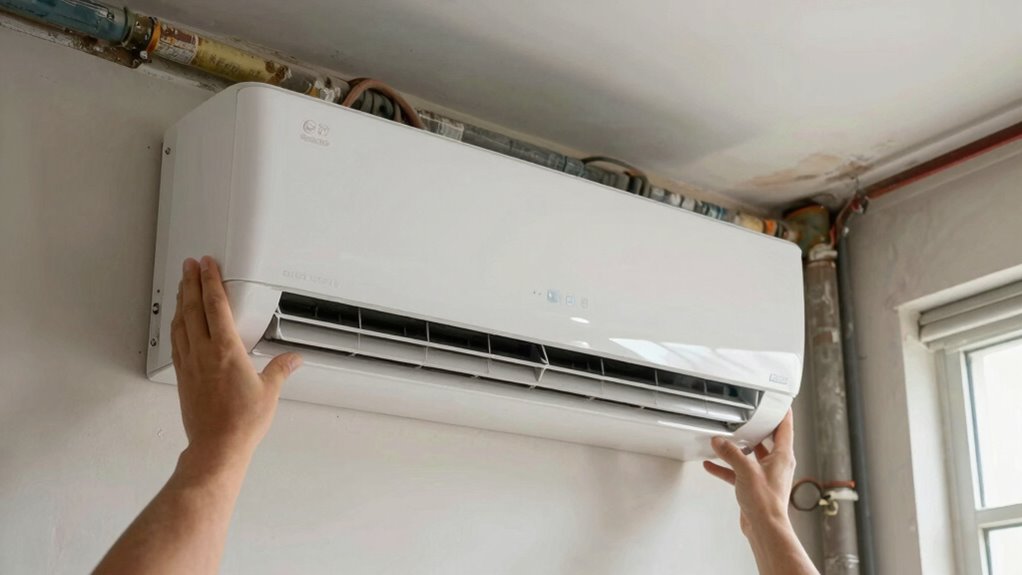
Many homeowners are finding it necessary to replace their old air conditioning units to improve efficiency and save on energy costs. When you start considering a new AC, understanding the importance of energy efficiency becomes vital. Modern units are designed to use less power while providing the same or better cooling, which can substantially reduce your monthly utility bills. Upgrading to an energy-efficient model might seem like a larger upfront investment, but it pays off over time through lower energy consumption. Keep in mind, though, that the installation costs can vary depending on the type of system you choose, the complexity of the installation, and your home’s existing ductwork or electrical setup.
Before making a purchase, you should evaluate the seasonal energy efficiency ratio (SEER) rating of different units. A higher SEER means better energy efficiency, translating to more savings on your energy bills. While units with higher SEER ratings often come with a higher initial price, the long-term savings usually outweigh the additional upfront costs. It’s also essential to consider the size and capacity of the unit; an undersized or oversized AC can lead to inefficiencies and increased wear and tear. Proper sizing ensures the system operates effectively without excessive energy use or frequent breakdowns.
Another factor to consider is the installation process itself. You’ll want to work with a qualified HVAC professional who can accurately assess your home’s cooling needs and handle the installation efficiently. Skilled installers can help minimize installation costs by ensuring everything is correctly fitted and optimized for performance. Improper installation can lead to higher energy consumption, increased maintenance costs, and reduced lifespan of your new AC, so don’t cut corners here. Additionally, choosing an energy-efficient system is crucial for maximizing long-term savings and performance. Proper system sizing and professional installation can significantly extend the lifespan of your AC and improve overall efficiency. Furthermore, understanding the cost factors associated with installation can help you plan your budget more effectively. Investing in professional HVAC services can also help ensure your system is correctly calibrated and functioning at peak efficiency from the start.
Additionally, think about the long-term maintenance of your new system. Regular upkeep, such as filter changes and annual inspections, can keep your AC running at peak efficiency. Investing in a reliable, energy-efficient model and ensuring it’s installed correctly will help you enjoy consistent comfort and lower energy bills for years to come. Remember, replacing an old AC isn’t just about cooling; it’s about making a smart investment in your home’s comfort and your wallet’s health. Taking the time to understand the differences in energy efficiency and installation costs will help you make an informed decision that best suits your needs and budget.
energy efficient central air conditioner
As an affiliate, we earn on qualifying purchases.
As an affiliate, we earn on qualifying purchases.
Frequently Asked Questions
How Long Does an AC Replacement Typically Take?
An AC replacement typically takes about one to two days, depending on the system’s complexity and your home’s setup. During this process, you’ll want to contemplate energy efficiency upgrades, which can reduce long-term costs. Keep in mind that installation costs vary based on the unit chosen and installation requirements, so planning ahead helps you budget appropriately. Your contractor can give you an accurate estimate tailored to your needs.
Can I Replace My AC Myself or Hire a Professional?
Like Daedalus crafting his wings, attempting a DIY installation of your AC can be tempting but risky. While it might seem cost-effective initially, a DIY approach often leads to costly mistakes and safety issues. Hiring a professional guarantees proper installation, saves you time, and offers peace of mind. When comparing costs, remember that a professional’s expertise can prevent future expenses from improper setup, making their service a smart investment.
What Are the Signs My Current AC Is Failing?
You’ll notice your AC is failing if it struggles to maintain energy efficiency, causing higher utility bills. Increased noise levels during operation can also signal issues. Additionally, if your unit cycles on and off frequently, produces warm air, or emits strange smells, it’s time to evaluate replacement. These signs indicate your system isn’t functioning at its best, and addressing them promptly can save you money and improve comfort in your home.
How Do I Choose the Right Size AC for My Home?
To choose the right size AC, you need to take into account your home’s square footage, insulation, and climate. An appropriately sized unit improves energy efficiency, saving you money and reducing environmental impact. Avoid overly large models, which can cause frequent cycling and noise issues, leading to higher energy bills and discomfort. Consult a professional for a load calculation to make sure you select an AC that balances cooling power, noise levels, and efficiency for your home.
Are There Any Rebates or Incentives for Upgrading to a New AC?
Imagine your old AC as a tired, smoke-belching dragon—what if you could tame it with shiny new savings? Many rebate programs now reward upgrades for energy efficiency, making your new system more affordable. You might score cash back or tax credits, turning that dragon into a sleek, eco-friendly guardian. So, check local and federal incentives—you’re just a smart upgrade away from cooler, greener comfort!
As an affiliate, we earn on qualifying purchases.
Conclusion
Replacing your old AC isn’t just a simple upgrade—it’s like releasing a mighty storm of cool air that can tame the hottest heatwaves! Imagine stepping into your home and feeling instantly invigorated, as if summer itself has bowed before your new, powerful cooling system. Don’t settle for less; a new AC transforms your home into a revitalizing oasis, making those scorching days feel like a distant memory. Upgrade now and conquer the heat like an unstoppable king or queen!
professional AC installation service
As an affiliate, we earn on qualifying purchases.
As an affiliate, we earn on qualifying purchases.
As an affiliate, we earn on qualifying purchases.
Halloween Picks
halloween
As an affiliate, we earn on qualifying purchases.