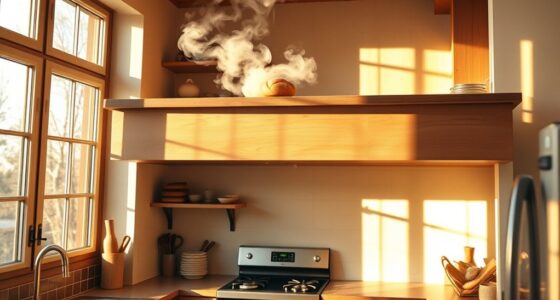
Cracking a window in winter can boost your indoor air quality by allowing fresh air to circulate, helping to reduce airborne pollutants, odors, and humidity that can lead to mold. Even a brief opening for a few minutes is often enough to refresh the air without losing too much heat or increasing your heating costs. If you want to discover the best times and ways to air out your home efficiently, keep exploring these helpful tips.

Get cleaning gear delivered free — and shop member deals
- Fast, free delivery on millions of items
- Access to Prime Big Deal Days deals on October 6–7
- Prime Video, Amazon Music and more included
Key Takeaways
- Cracking a window in winter introduces fresh air, diluting indoor pollutants and improving overall air quality.
- It helps reduce indoor humidity, preventing mold growth and dampness-related issues.
- Short, controlled window openings minimize heat loss while maintaining good ventilation.
- It facilitates the escape of VOCs and chemical fumes from cleaning or furniture, promoting a healthier environment.
- Using windows strategically during illness or allergy seasons ensures better air exchange and reduces irritants indoors.
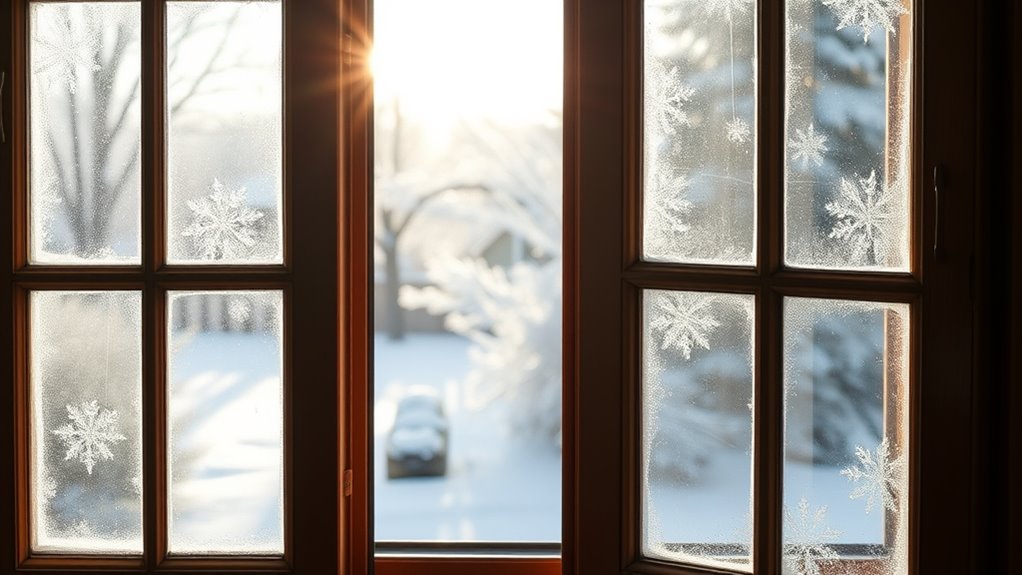
Have you ever wondered if cracking a window in winter is actually beneficial? It might seem counterintuitive to open a window when it’s cold outside, but it can be a simple and effective way to improve your indoor air quality. When you consider ventilation strategies, opening a window allows fresh air to circulate, diluting indoor pollutants like dust, pet dander, or even lingering cooking smells. These pollutants can accumulate quickly in enclosed spaces, leading to stuffiness, headaches, or even respiratory issues over time. By creating a small opening, you introduce a continuous flow of fresh air that helps maintain a healthier indoor environment.
Balancing airflow during winter can be tricky, but it’s worth it for the benefits to your indoor air quality. When you crack a window, you’re not just letting in cold air—you’re actively reducing indoor humidity and removing excess moisture. This can prevent mold growth and reduce allergens that thrive in damp conditions. You might worry about losing heat or increasing your heating bill, but even a small gap can make a significant difference without causing your home to become uncomfortably cold. Plus, modern heating systems are designed to work efficiently alongside fresh air intake, so you don’t need to keep the window open all day—just a few minutes can do the trick.
Incorporating this simple ventilation strategy can also help prevent the buildup of indoor volatile organic compounds (VOCs), which can come from cleaning products, furniture, or paint. Without proper air exchange, these chemicals can linger and impact your health. Regularly cracking a window allows these substances to escape and is a proactive way to maintain a cleaner, safer indoor atmosphere. Additionally, ventilation systems are increasingly integrated into modern homes and can assist in maintaining air quality without needing to open windows constantly. It’s especially helpful if you’re feeling under the weather or if someone in your household has allergies or asthma, since better air circulation reduces triggers and irritants.
air quality monitor for indoor air
As an affiliate, we earn on qualifying purchases.
As an affiliate, we earn on qualifying purchases.
Frequently Asked Questions
Does Cracking a Window Increase Heating Costs Significantly?
Cracking a window in winter can slightly increase your heating costs, but it often promotes better indoor air quality. It helps reduce indoor humidity and stale air, which can improve comfort and energy savings. While you might use a bit more energy to heat the space back up, this small trade-off can prevent issues like mold and improve overall air freshness, making your home healthier without markedly impacting your energy bills.
How Often Should I Crack My Window During Winter?
You should crack your window for about 5 to 10 minutes daily during winter to improve indoor humidity and promote air exchange. This quick refresh helps reduce indoor pollutants, prevent mold, and balance humidity levels without markedly affecting your heating costs. Adjust the timing based on your home’s air quality and humidity—more frequent ventilation might be necessary if you notice stuffiness or condensation.
Can Cracking a Window Cause Pipes to Freeze?
Cracking a window can’t cause your pipes to freeze if you guarantee outdoor ventilation doesn’t drop indoor temperatures too low. Imagine a warm room with a gentle breeze—this exchange helps indoor air quality without risking frozen pipes. To stay safe, insulate your pipes and maintain a steady indoor temperature. Proper pipe insulation and controlled ventilation prevent cold air from creeping in and protect your plumbing during winter.
What Are the Best Times of Day to Air Out Rooms?
You should air out rooms during the early morning or late evening when outdoor temperatures are slightly warmer or cooler, respectively. These times maximize ventilation strategies by reducing heat loss while invigorating indoor air. To improve air quality, open windows for 10-15 minutes, allowing fresh air to circulate. The best timing depends on the weather, but generally, morning and evening provide the best balance between comfort and ventilation benefits.
Is There a Risk of Cold Drafts Worsening Health Conditions?
A chilly draft might seem like a minor concern, but it can subtly impact your health, especially if you have respiratory issues. To keep things comfortable, use gentle ventilation to support humidity control and allergy relief without exposing yourself to harsh cold. Opening windows briefly during milder winter days can refresh indoor air without risking frostbite or discomfort, helping you breathe easier and stay healthy.
As an affiliate, we earn on qualifying purchases.
Conclusion
So, next time you crack a window during winter, remember it can really improve your indoor air quality. Surprisingly, studies show that indoor air can be up to five times more polluted than outdoor air, even in winter. Ventilating your space helps reduce allergens, pollutants, and humidity buildup. Just a quick breeze can make a difference, making your home healthier and more comfortable. Don’t hesitate to open that window—you might just breathe easier.
As an affiliate, we earn on qualifying purchases.
As an affiliate, we earn on qualifying purchases.
Fall Picks
fall essentials
As an affiliate, we earn on qualifying purchases.