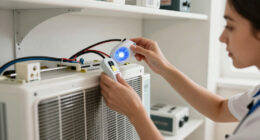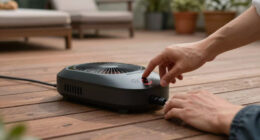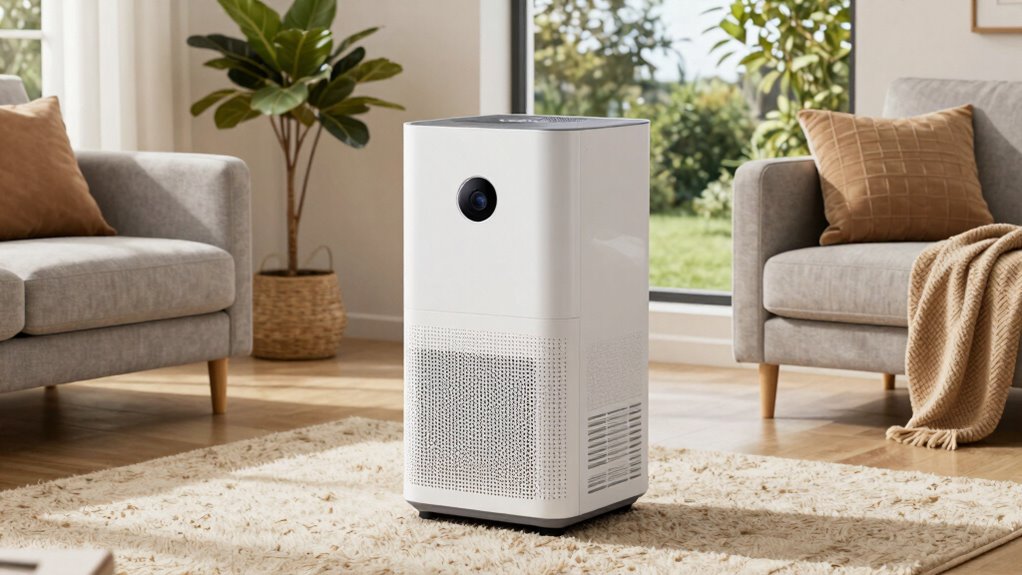
To think about dehumidifiers room by room, consider each space’s moisture sources, size, and activity level. For example, basements and laundry rooms need larger units that handle high humidity, while bedrooms require smaller, quieter models to avoid disturbances. Focus on matching capacity to room size for effective control and select features like air filters or energy-saving options based on air quality needs and usage habits. Keep these factors in mind to make smarter choices; more tips follow to help you optimize your setup.

Get cleaning gear delivered free — and shop member deals
- Fast, free delivery on millions of items
- Access to Prime Big Deal Days deals on October 6–7
- Prime Video, Amazon Music and more included
Key Takeaways
- Match dehumidifier capacity and size to each room’s moisture load and size for effective humidity control.
- Consider room function and noise levels to select quiet, suitable models for bedrooms or living areas.
- Prioritize air quality features, like filters, in rooms prone to mold or with allergy sufferers.
- Optimize energy efficiency with adjustable settings, timers, and proper placement tailored to each space.
- Balance capacity, noise, air quality, and energy use for each room to ensure comfort, health, and savings.
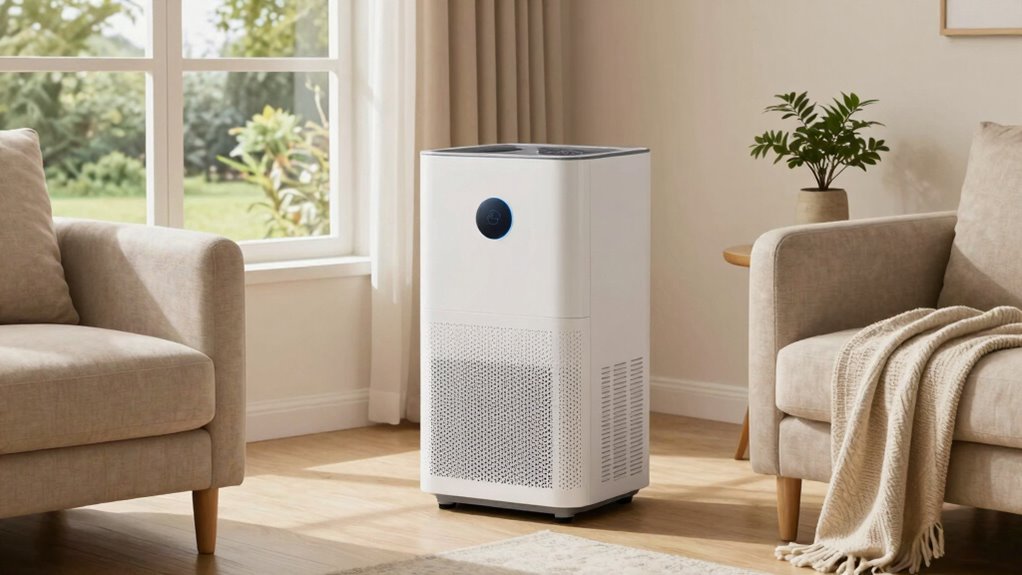
Have you ever wondered how to choose the right dehumidifier for each room in your home? Picking the best model isn’t just about size or price; it’s about enhancing air quality and energy efficiency. Different rooms have different needs, so understanding these differences helps you make smarter decisions. For instance, a basement or laundry room often has higher humidity levels due to moisture from water sources or poor ventilation. Here, you want a dehumidifier that can handle larger moisture loads while maintaining good air quality. In contrast, bedrooms or living areas require quieter models that won’t disturb sleep or daily activities, guaranteeing the air stays comfortable without wasting energy.
Choosing the right dehumidifier depends on room needs, humidity levels, and noise preferences for better air quality and energy efficiency.
When considering air quality, look for units that feature good filtration options. Some dehumidifiers come with built-in air filters that trap dust, mold spores, and other airborne pollutants, helping you breathe easier. This is especially important for rooms prone to mold growth or for households with allergy sufferers. By choosing a dehumidifier that improves air quality, you’re not just removing excess moisture—you’re creating a healthier environment overall. Remember, better air quality isn’t just about comfort; it can also reduce respiratory issues and improve overall well-being. Understanding the importance of biodiversity and healthy ecosystems can help you appreciate how maintaining good indoor air quality contributes to overall environmental health as well. Additionally, selecting energy-efficient models can help reduce your home’s carbon footprint, supporting sustainability efforts.
Energy efficiency plays a vital role in your decision-making process. A dehumidifier that consumes less power will save you money over time, especially if you plan to run it frequently. Look for models with energy-saving features like adjustable humidity settings, programmable timers, or auto-shutoff functions. These features help prevent unnecessary operation, making sure the unit runs only when needed. Smaller, more efficient models work well for individual rooms, while larger units with higher capacity might be better suited for open-plan spaces or areas with persistent humidity problems. To maximize efficiency, consider positioning your dehumidifier in a way that promotes good airflow and avoids obstructions that could cause the unit to work harder. Proper air circulation can significantly enhance the effectiveness of your dehumidification efforts. Furthermore, understanding the capacity of your dehumidifier relative to your space ensures optimal performance. A moisture load that exceeds the unit’s capacity can lead to inefficiency and inadequate humidity control.
Ultimately, selecting the right dehumidifier for each room involves balancing capacity, noise level, air quality features, and energy use. Think about the specific needs of each space—how humid it gets, how much ventilation it has, and who uses it most frequently. By paying attention to these factors, you guarantee each room maintains ideal humidity levels, improving air quality and reducing energy costs. The right choice makes your home more comfortable, healthier, and more energy-efficient, transforming the way you manage moisture and air quality room by room.
small quiet dehumidifier for bedroom
As an affiliate, we earn on qualifying purchases.
As an affiliate, we earn on qualifying purchases.
Frequently Asked Questions
Can Dehumidifiers Be Used Outdoors Effectively?
Dehumidifiers aren’t designed for outdoor use, so they aren’t effective against outdoor moisture. Weather resistance is essential, and most models can’t withstand rain or humidity outside. If you’re dealing with outdoor moisture, look for specialized outdoor dehumidifiers or moisture control systems built to handle weather conditions. Using indoor dehumidifiers outdoors can damage the unit and won’t effectively reduce outdoor humidity.
How Often Should I Empty the Dehumidifier’s Water Tank?
You should empty the dehumidifier’s water tank regularly to guarantee it operates efficiently. Typically, you’ll need to do water tank maintenance and empty the tank every 1 to 3 days, depending on humidity levels and usage. Keep an eye on the tank’s fullness indicator or listen for a warning beep. Consistent emptying prevents overflow and sustains ideal dehumidifier performance, keeping your space dry and comfortable.
Are There Energy-Efficient Models Suitable for Large Rooms?
Yes, there are energy-efficient models suitable for large rooms. Look for large room dehumidifiers with high Energy Star ratings, which guarantee they use less electricity while effectively reducing humidity. These models often feature larger capacities and advanced features like adjustable humidistats and energy-saving modes. By choosing an energy-efficient dehumidifier, you save money on your energy bills and maintain a comfortable, dry environment in bigger spaces.
How Do I Maintain and Clean My Dehumidifier?
To keep your dehumidifier working efficiently, regularly clean or replace the filters as part of your maintenance routines. Turn off and unplug it before cleaning, then wipe the filters with a damp cloth or rinse them if washable. Empty the water collection bucket frequently, and clean it with soap and water. Regular upkeep guarantees peak performance and prolongs the lifespan of your dehumidifier.
Can Dehumidifiers Help With Allergy and Asthma Symptoms?
Imagine a gentle breeze sweeping away invisible irritants—dehumidifiers can indeed aid allergy relief and asthma management. By reducing excess moisture, they help prevent mold, dust mites, and mildew from thriving. This creates a cleaner, healthier environment, easing breathing difficulties. Regular use can make your space more comfortable, especially for sensitive lungs. So, if allergies or asthma trouble you, a dehumidifier might be a helpful, quiet partner in your daily routine.
large capacity basement dehumidifier
As an affiliate, we earn on qualifying purchases.
As an affiliate, we earn on qualifying purchases.
Conclusion
Remember, choosing the right dehumidifier depends on your room’s specific needs. By balancing budget, size, and purpose, you’ll breathe easier and keep moisture manageable. Think carefully about each space’s unique demands, and don’t be afraid to adjust your approach as needed. With a little planning and patience, your home will stay healthy, happy, and humidity-free. So, stay savvy, select sensibly, and enjoy a space that’s simply superb—moisture managed, and comfort maintained.
energy-efficient dehumidifier with air filter
As an affiliate, we earn on qualifying purchases.
As an affiliate, we earn on qualifying purchases.
portable dehumidifier for laundry room
As an affiliate, we earn on qualifying purchases.
As an affiliate, we earn on qualifying purchases.
Fall Picks
fall essentials
As an affiliate, we earn on qualifying purchases.