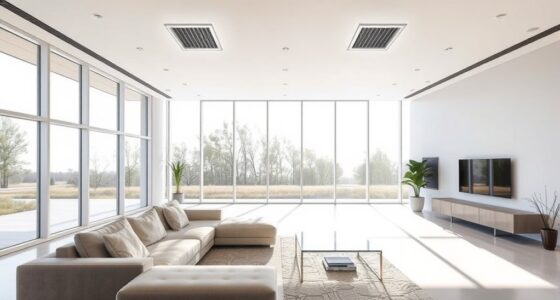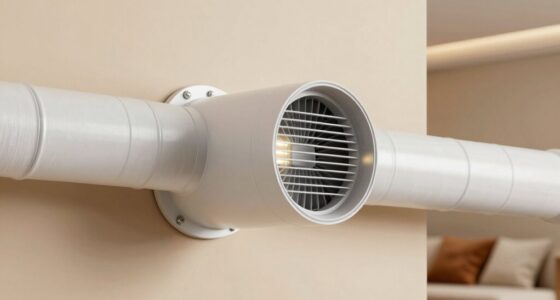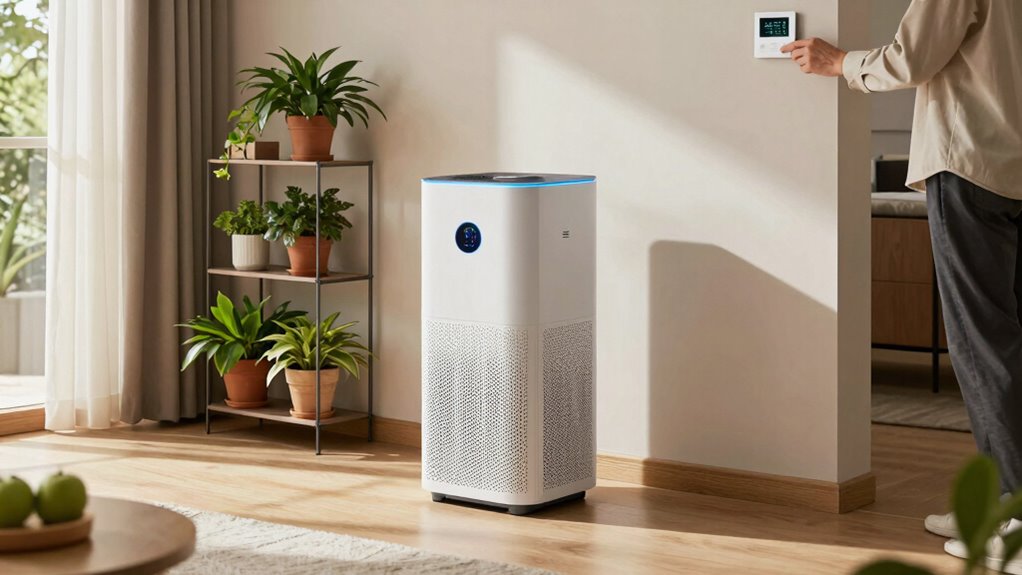

The home air category is growing quickly because more people are becoming aware that indoor air can be as polluted as outdoor air, or even worse. Concerns about allergens, odors, and respiratory health drive you to find better solutions. Advances in smart, efficient filters make it easier to get cleaner air at home. If you stay with us, you’ll discover how these innovations are shaping healthier living spaces for everyone.

Get cleaning gear delivered free — and shop member deals
- Fast, free delivery on millions of items
- Access to Prime Big Deal Days deals on October 6–7
- Prime Video, Amazon Music and more included
Key Takeaways
- Growing health concerns and awareness of indoor air pollution drive increased demand for air purifiers.
- Advances in filtration technology make modern devices more efficient and user-friendly.
- Smart features like real-time air quality monitoring enhance convenience and effectiveness.
- The market expands as consumers prioritize healthier, allergen-free living environments.
- Continuous innovation and focus on health support rapid growth in the home air category.
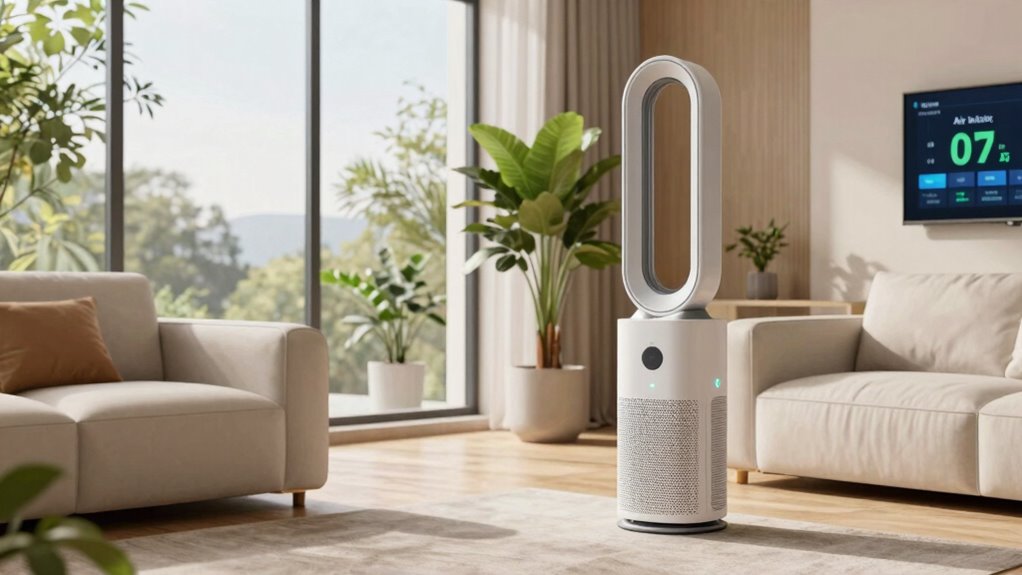
The home air category is expanding rapidly, driven by increasing awareness of indoor air quality’s impact on health and comfort. More people realize that the air inside their homes can be just as polluted as outdoor environments, if not more so. Indoor allergens like dust mites, pet dander, mold spores, and pollen can linger in the air, causing allergies, asthma, and other respiratory issues. This awareness fuels demand for effective solutions, especially air purifier technology that targets these pollutants. You’re now more conscious of how indoor allergens can affect your well-being, prompting you to seek ways to improve your indoor environment. Advances in air filtration technology have made it possible to effectively remove even the smallest particles, ensuring cleaner air for your home. Air purifier technology has advanced considerably in recent years. Gone are the days when air purifiers were bulky and noisy; today’s models are sleek, efficient, and equipped with sophisticated filters. HEPA filters, for example, can trap 99.97% of particles as small as 0.3 microns, including many indoor allergens. This means you can breathe easier knowing that the air passing through your purifier is markedly cleaner. Some devices also incorporate activated carbon filters that absorb odors, volatile organic compounds (VOCs), and other gaseous pollutants, creating a fresher indoor atmosphere. As you explore these options, you’ll notice how modern air purifiers are designed to maximize airflow and coverage, ensuring that even large rooms benefit from cleaner air. The importance of indoor air quality has become even more apparent with recent health concerns, prompting many to invest in air purifier technology for their homes. You might find yourself researching different models, comparing features, and reading reviews to find the best fit for your space and lifestyle. Many devices now include smart technology, allowing you to monitor air quality levels in real-time via your smartphone. This integration helps you understand how indoor allergens fluctuate and when to run your purifier more intensively. Enhanced sensor technology is making it easier to maintain optimal indoor air quality with minimal effort. Additionally, increased awareness about indoor pollutants has contributed to the rapid growth of this category, as consumers seek healthier living environments. As you become more engaged with maintaining a healthier indoor environment, you’ll appreciate how these innovations provide peace of mind and tangible health benefits. Ultimately, the expansion of the home air category reflects a broader shift towards healthier living spaces. You’re not just buying an appliance; you’re investing in your health, comfort, and quality of life. Recognizing the indoor air quality as a crucial aspect of overall health has driven this rapid growth in the category. With increased awareness of indoor allergens and the rapid evolution of air purifier technology, it’s easier than ever to create a home environment that supports your well-being. This trend shows no signs of slowing down, as new features and smarter systems continue to emerge, making clean, allergen-free air accessible to everyone.
As an affiliate, we earn on qualifying purchases.
Frequently Asked Questions
How Does Improved Air Quality Impact Daily Health?
Improved air quality boosts your daily health by reducing indoor allergens that can trigger allergies or asthma. When you breathe cleaner air, your respiratory health benefits, making it easier to breathe and decreasing fatigue. Less exposure to pollutants means fewer respiratory issues and a stronger immune system. By maintaining good indoor air quality, you support your overall well-being, helping you stay active and healthier every day.
What Are the Latest Innovations in Home Air Technology?
You’ll find the latest in home air technology includes advanced air quality sensors that monitor pollutants in real-time, giving you instant feedback. Smart ventilation systems automatically adjust airflow to maintain *ideal* air quality, reducing allergens and pollutants. These innovations work together seamlessly, making it easier for you to breathe clean air indoors. With smart sensors and ventilation, you gain better control, ensuring a healthier, more comfortable living environment.
Are There Eco-Friendly Options for Home Air Purification?
Sure, eco-friendly options exist, and they often come with a surprising twist. You can opt for eco-friendly filters made from sustainable materials that actually purify your air without harming the planet. These filters promote sustainable purification and reduce waste, making your home healthier and greener. So, you don’t have to choose between clean air and eco-conscious living—these innovative solutions let you have both.
How Often Should Home Air Systems Be Maintained?
You should check and replace your air filter every 1 to 3 months to guarantee peak performance. Regular maintenance helps extend your system’s lifespan and keeps the air clean. If you have pets or allergies, you might need to change filters more frequently. Additionally, schedule professional inspections annually to keep your home air system running efficiently. Proper upkeep prevents buildup and maintains healthy indoor air quality.
What Is the Cost Comparison of Various Home Air Solutions?
The cost of home air solutions varies, with basic air filters costing around $10 to $50, while advanced systems like HEPA filters or whole-home air purifiers can range from $200 to over $1,000. Conduct a thorough cost analysis, considering initial investment, maintenance, and energy use. Higher-quality air filters often cost more upfront but can save you money long-term by improving air quality and reducing health-related expenses.
smart air purifier with real-time air quality monitor
As an affiliate, we earn on qualifying purchases.
As an affiliate, we earn on qualifying purchases.
Conclusion
As the home air category blooms, it’s clear you’re stepping into a invigorating, vibrant world of cleaner, healthier living. Think of it as upgrading your home from a rusty, old bicycle to a sleek, new electric scooter — smoother, faster, and more enjoyable. With innovations rolling in, you’re not just keeping up; you’re leading the charge toward a gust of fresh air. Embrace these changes, and watch your home become a sanctuary of pure, revitalizing air.
activated carbon filter air purifier
As an affiliate, we earn on qualifying purchases.
As an affiliate, we earn on qualifying purchases.
As an affiliate, we earn on qualifying purchases.
Fall Picks
fall essentials
As an affiliate, we earn on qualifying purchases.