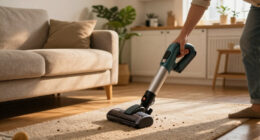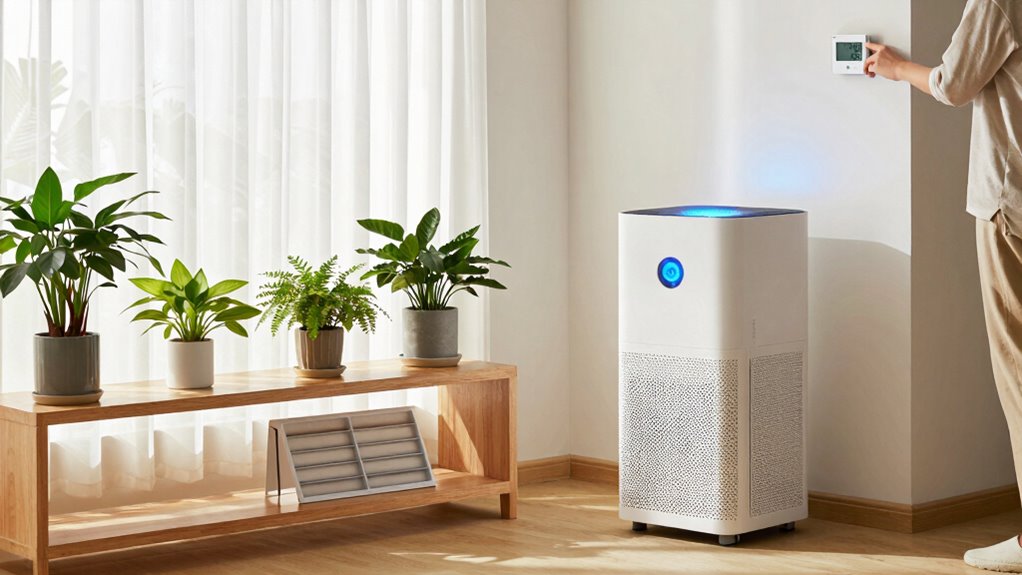

To reduce allergy triggers through better air management, you should improve ventilation by using exhaust fans and air exchange systems. Regularly change air filters, especially HEPA ones, and use air purifiers to trap dust, mold, pet dander, and pollen. Keep humidity between 30-50% to prevent mold growth and dust mites. Avoid indoor smoking, wash bedding frequently, and keep clutter to a minimum. If you want to discover more ways to breathe easier indoors, continue exploring these tips.

Get cleaning gear delivered free with Prime
- Fast, free delivery on millions of items
- Prime Video, Amazon Music and more included
- Member-only deals all year
Key Takeaways
- Use HEPA filters and regularly change air filters to trap allergens like dust, mold, and pollen.
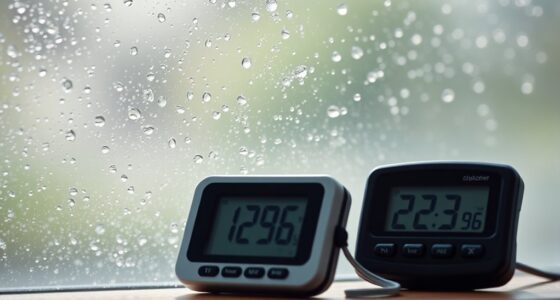
- Maintain indoor humidity between 30-50% to prevent mold growth and dust mites.
- Improve ventilation with exhaust fans and air exchange systems to disperse indoor pollutants.
- Keep windows closed during high pollen seasons and use air conditioning to filter outdoor allergens.
- Regularly clean and vacuum with HEPA-filtered equipment to reduce dust, pet dander, and pollen buildup.
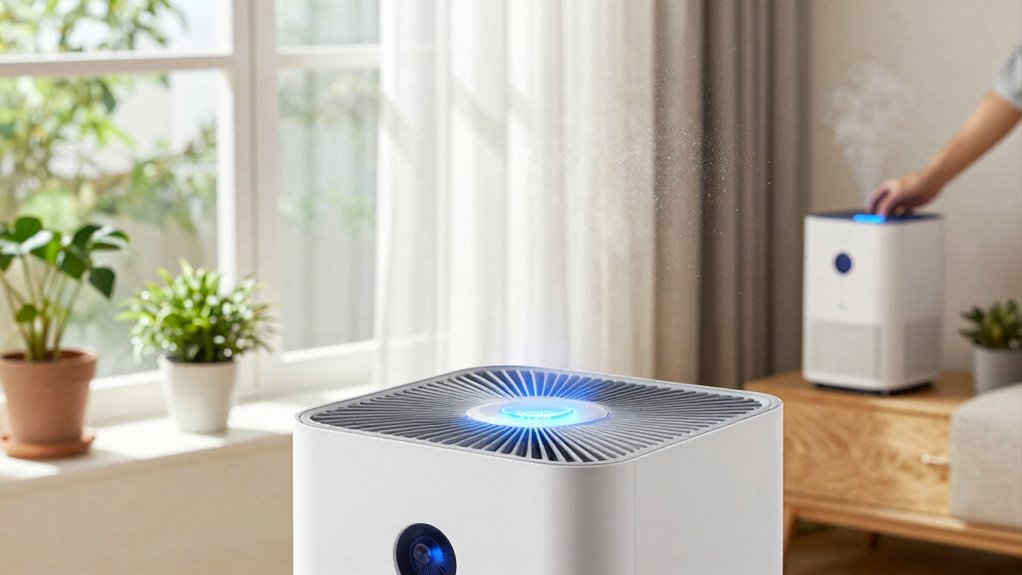
If you want to breathe easier and minimize allergy symptoms, reducing triggers in your environment is essential. One of the most effective ways to do this is by improving your indoor air quality. Since the air inside your home can trap allergens like dust, mold, pet dander, and pollen, maintaining clean, well-ventilated spaces helps lessen your exposure. Regularly changing air filters, especially those designed to trap small particles, can make a significant difference. Consider using HEPA filters in your HVAC system or standalone air purifiers to capture airborne allergens more efficiently. Additionally, keeping humidity levels between 30-50% prevents mold growth and reduces dust mites, both common indoor allergens. Avoid smoking indoors, as tobacco smoke worsens indoor air quality and irritates your respiratory system, making allergy symptoms more severe.
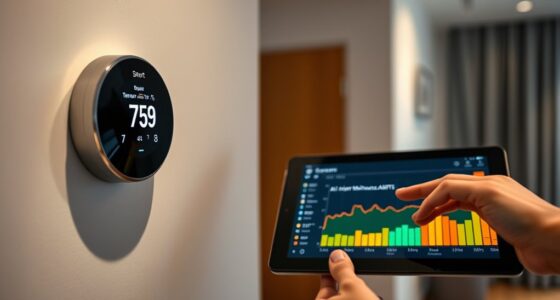
Seasonal allergens pose a unique challenge because they can invade your indoor environment even when you’re trying to stay protected. During high pollen seasons, keep windows and doors closed as much as possible, and use air conditioning to filter incoming air. When you come inside, change out of outdoor clothes promptly to avoid tracking pollen indoors. Regularly cleaning and vacuuming your home helps remove pollen and other allergens that settle on floors, furniture, and curtains. Use a vacuum with a HEPA filter to prevent allergens from being recirculated into the air. Wash bedding, curtains, and plush toys frequently, as these items can harbor seasonal allergens and dust mites. Reducing clutter also minimizes places where dust and pollen can settle and accumulate. Incorporating proper ventilation such as exhaust fans and air exchange systems can significantly reduce indoor pollutants. Ensuring proper air circulation helps disperse indoor allergens more effectively and prevents stagnation. Furthermore, air quality monitoring devices can help you track and manage indoor pollutant levels more accurately. Regularly inspecting for mold and moisture issues is crucial since excess moisture can promote mold growth and worsen allergy symptoms.
Another step toward better air management is controlling moisture levels to prevent mold growth—an often overlooked allergen. Fix leaks promptly, use exhaust fans in bathrooms and kitchens, and ensure proper ventilation. When mold appears, clean it with appropriate cleaning agents, and don’t forget to wear a mask if the infestation is extensive. Regularly inspecting your home for signs of mold or excess moisture helps you catch problems early and keep indoor air quality high. Incorporating ventilation solutions such as exhaust fans and air exchange systems can significantly reduce indoor pollutants. To conclude, consider adding houseplants that can naturally filter indoor air, but be cautious if you or someone in your household has a mold allergy, as some plants can harbor mold or pollen.
As an affiliate, we earn on qualifying purchases.
Frequently Asked Questions
Can Air Purifiers Completely Eliminate Allergens From Indoor Air?
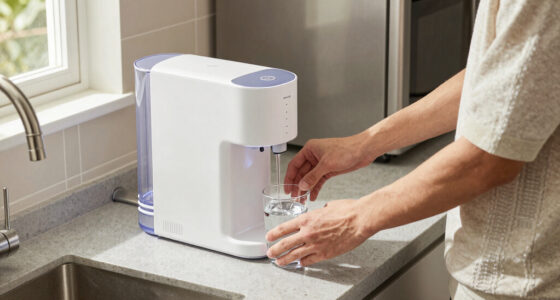
Air purifiers can’t completely eliminate allergens from indoor air because of their limitations. While they markedly improve allergen removal effectiveness, some particles like mold spores or pet dander might still linger. You should understand that air purifiers are helpful tools, but not a total solution. Regular cleaning, controlling humidity, and avoiding known triggers also play essential roles in creating a healthier indoor environment and reducing allergy symptoms effectively.
How Often Should I Replace Air Filters for Optimal Allergy Relief?
You should replace your air filters regularly to maintain maximum allergy relief. Typically, the air filter lifespan ranges from 30 to 90 days, depending on usage and filter type. For best allergy alleviation, aim for a frequent, timely replacement—usually every 30 to 60 days. This practice prevents buildup of allergens and ensures your air purifier or HVAC system works efficiently, keeping indoor air fresh and allergy-free.
Are There Specific Houseplants That Help Reduce Airborne Allergens?
Yes, certain tropical plants and air filtering greenery can help reduce airborne allergens in your home. Plants like the snake plant, pothos, and peace lily are excellent choices because they naturally purify the air by filtering out pollutants and allergens. You should place these plants in well-lit areas, keep them healthy by watering regularly, and avoid overwatering. Incorporating these air filtering greenery into your space can make a noticeable difference.
What Is the Best Way to Ventilate a Home With Allergy Sufferers?
You should prioritize indoor airflow by using effective ventilation strategies like exhaust fans in the kitchen and bathroom, and opening windows when outdoor air quality is good. Regularly changing air filters and using HEPA filters help maintain clean indoor air. Consider installing an air exchange system or air purifier to continuously improve ventilation, ensuring allergens are minimized. Proper airflow management keeps indoor air fresh and reduces allergy symptoms for allergy sufferers.
Do Humidifiers Help or Worsen Allergy Symptoms?
Humidifiers can both help and worsen allergy symptoms, depending on how you use them. When used effectively, they improve humidity levels, reducing dust and mold allergens, thereby easing allergy symptoms. However, if not maintained properly, they can foster mold and dust mites, worsening allergies. To guarantee humidifier efficacy, clean it regularly and keep humidity levels between 30-50%. This balance minimizes allergy triggers and maximizes relief.
As an affiliate, we earn on qualifying purchases.
Conclusion
By managing your indoor air effectively, you can substantially reduce allergy triggers and breathe easier. Regularly ventilate your space, use high-efficiency filters, and keep humidity levels in check. Did you know that indoor air pollution can be up to five times higher than outdoor levels? Taking these simple steps not only improves air quality but also enhances your overall health and comfort. Start today, and enjoy a cleaner, allergy-free environment.
humidifier with adjustable humidity control
As an affiliate, we earn on qualifying purchases.
As an affiliate, we earn on qualifying purchases.
As an affiliate, we earn on qualifying purchases.
Fall Picks
fall essentials
As an affiliate, we earn on qualifying purchases.