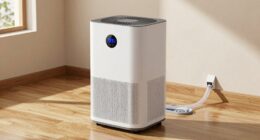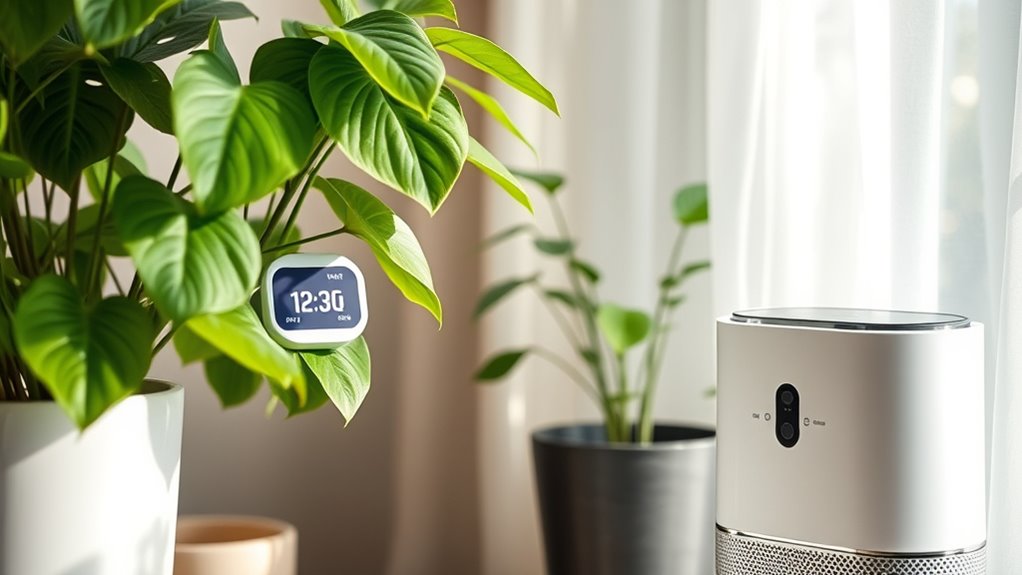

Maintaining proper indoor humidity, ideally between 30% and 50%, is key to your health and comfort. Too much moisture can encourage mold and dust mites, worsening allergies and respiratory issues, while low humidity can cause dry skin, sore throats, and sinus problems. Using a humidifier or dehumidifier together with a hygrometer helps you control moisture levels effectively. Keep your environment balanced and safe—continue exploring to learn simple ways to improve your indoor air quality.
Key Takeaways
- Maintaining indoor humidity between 30% and 50% reduces respiratory irritation and prevents mold growth.
- Using a humidifier helps alleviate dry skin, sore throat, and nasal congestion caused by low humidity.
- Monitoring humidity levels with a hygrometer ensures optimal comfort and minimizes health risks from excess moisture.
- Excess humidity can promote mold and dust mites, worsening allergies and asthma symptoms.
- Proper humidity control improves sleep quality and overall indoor air quality, supporting better health.
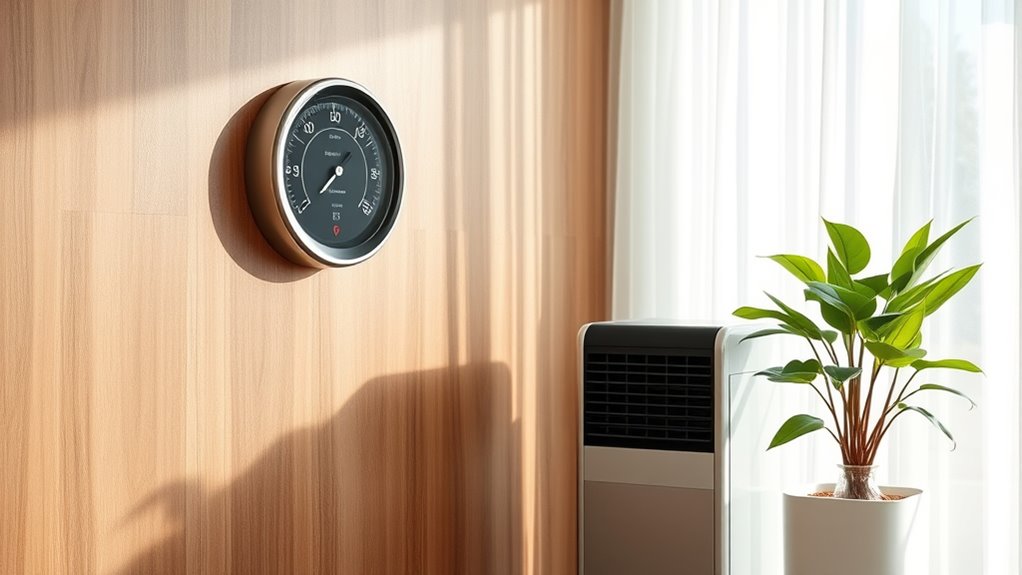
Have you ever wondered how indoor humidity impacts your comfort and health? Managing the moisture levels inside your home isn’t just about feeling cozy; it directly affects your well-being. When humidity is too low, your skin, eyes, and respiratory system can become dry and irritated. Conversely, excessive humidity creates an environment where mold and dust mites thrive, leading to allergic reactions and other health issues. That’s why understanding the role of humidity is essential for creating a safe, comfortable living space.
Using a humidifier can offer numerous benefits. Humidifier benefits extend beyond comfort by helping maintain ideal moisture levels, typically between 30% and 50%. When your indoor air is properly humidified, you reduce the risk of dry skin, sore throat, and sinus congestion. Humidifiers also help alleviate symptoms of colds and respiratory infections by keeping your nasal passages moist, making it easier to breathe and recover faster. Additionally, maintaining balanced humidity can improve sleep quality, as dry air often causes discomfort that interrupts rest. But one of the most significant advantages is mold prevention. Proper humidity levels inhibit mold growth by making your environment less hospitable for mold spores, which thrive in damp conditions. By controlling moisture with a humidifier, you’re actively reducing the likelihood of mold developing on walls, furniture, or other surfaces, protecting your home and health.
Using a humidifier helps prevent mold and improves breathing by maintaining optimal moisture levels indoors.
However, it’s essential to monitor humidity levels carefully. Too much moisture can be just as problematic as too little, encouraging mold and dust mites that exacerbate allergies and asthma. Investing in a hygrometer helps you keep tabs on indoor humidity, ensuring it stays within the ideal range. If levels climb too high, using a dehumidifier or increasing ventilation can help restore balance. Regular cleaning of your humidifier is also necessary to prevent bacteria and mold buildup, which could negate its benefits and introduce new health risks. Properly managing indoor humidity supports air quality and overall health, making it a crucial aspect of maintaining a safe environment.
Controlling indoor humidity isn’t just about comfort; it’s about creating a healthier environment. Properly managed moisture levels help you breathe easier, reduce allergy symptoms, and protect your home from mold. Incorporating a humidifier into your space, along with humidity monitoring and maintenance, empowers you to take charge of your indoor climate. The result is a more comfortable, healthier living environment where you’re less likely to suffer from respiratory issues or mold-related problems. Remember, balancing humidity is a simple yet effective way to improve your overall well-being and ensure your home remains a safe haven.
Frequently Asked Questions
How Does Humidity Affect Indoor Allergy Symptoms?
High humidity levels can worsen your indoor allergy symptoms by promoting mold growth and dust mite proliferation. When the air is damp, mold spores thrive, triggering allergic reactions, while dust mites thrive in moist environments, increasing your exposure. To reduce symptoms, keep humidity between 30-50%, use dehumidifiers, and guarantee proper ventilation. Maintaining ideal humidity minimizes mold and dust mites, helping you breathe easier and feel more comfortable indoors.
Can High Humidity Damage Indoor Electronics?
A stitch in time saves nine, and high humidity can be just as damaging. When humidity levels rise, condensation forms on your electronics, leading to corrosion over time. This moisture can short-circuit components or cause permanent damage. Keep humidity in check to prevent electronics corrosion and avoid costly repairs. Use dehumidifiers and proper ventilation to control moisture, ensuring your devices stay safe and functional.
What’s the Ideal Humidity Level for Different Seasons?
You should aim for seasonal humidity levels between 30-50%. During winter, keep it around 30-40% to prevent dryness, and in summer, increase it to 40-50% to reduce mold and pests. Be mindful of humidity fluctuations, as sudden changes can cause discomfort or damage. Adjust your humidifier or dehumidifier accordingly, ensuring consistent indoor humidity to maintain comfort and protect your home throughout the year.
How Do Pets Influence Indoor Humidity Levels?
Pets influence indoor humidity levels by adding moisture through their breathing, shedding pet dander, and occasional accidents. This can lead to increased humidity, which may cause mold or dust mites if not managed properly. To maintain a healthy humidity balance, make certain of proper ventilation and consider using a dehumidifier if needed. Regular cleaning and grooming help reduce pet dander, supporting overall indoor air quality and humidity control.
Are There Natural Methods to Regulate Indoor Humidity?
Think of your home as a living organism needing balance. You can naturally regulate indoor humidity using indoor plants, which release moisture through transpiration, or homemade humidifiers like bowls of water placed near heat sources. During dry winter months, these methods help maintain comfortable humidity levels without chemicals or gadgets. By nurturing your plants and creating simple DIY humidifiers, you keep your home’s atmosphere healthy and balanced effortlessly.
Conclusion
Think of indoor humidity like the weather inside your home—sometimes it’s just right, other times too extreme. When you keep it balanced, you create a cozy, healthy haven for yourself. But neglecting it can turn your space into a battleground of dry coughs or mold. By staying vigilant and controlling humidity levels, you’re steering your home’s climate to be a gentle breeze rather than a storm. Take charge now, and breathe easier every day.