
Choosing between single-zone and multi-zone mini splits can be tricky because initial costs and long-term expenses differ. Single-zone systems are cheaper upfront and easier to install, but multi-zone setups cost more initially and may have higher maintenance costs. However, multi-zone units can save you money over time by cooling multiple rooms efficiently. To avoid surprises, it helps to understand the hidden costs and what fits your home and budget best — more details ahead.
Key Takeaways
- Multi-zone systems have higher upfront costs due to additional equipment and complex installation.
- Single-zone units are more budget-friendly initially but may cost more long-term if multiple spaces need cooling.
- Overestimating zone needs can lead to unnecessary expenses in multi-zone setups.
- Maintenance and repair costs tend to be higher for multi-zone systems because of complexity.
- Proper sizing and professional guidance help avoid costly mistakes and ensure cost-effective system selection.
What Are the Main Differences Between Single-Zone and Multi-Zone Mini Split Systems?
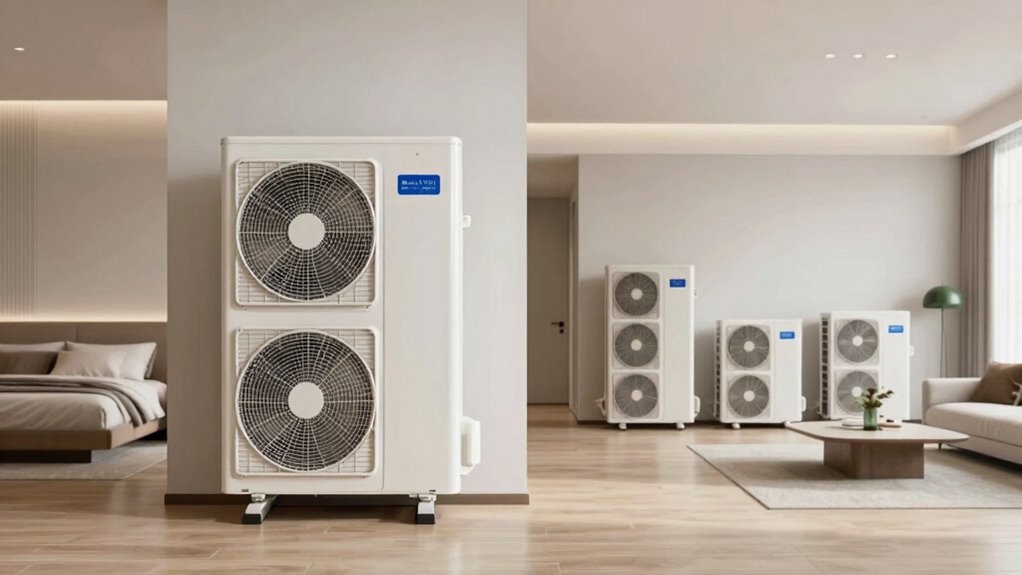
The main difference between single-zone and multi-zone mini split systems lies in their capacity to cool or heat multiple areas. With single-zone units, you’re limited to one space, making zoning challenges minimal but also less flexible. Multi-zone systems, on the other hand, let you control several rooms independently, which can complicate zoning but offers greater comfort and energy efficiency. Installation complexity varies considerably; single-zone setups are straightforward, often requiring only one indoor and outdoor unit. Multi-zone systems involve more components and careful planning to ensure proper refrigerant flow and wiring, increasing installation challenges. If you’re managing multiple rooms with different climate needs, multi-zone systems can be beneficial, but they demand more careful planning and professional installation. Proper system monitoring and debugging are essential to maintain efficiency and prevent issues in complex multi-zone setups. Additionally, understanding the energy consumption patterns of each zone helps optimize overall system performance. Incorporating zoning controls can further enhance customization and energy savings for multi-zone configurations. It’s also important to consider the cost implications of multi-zone systems, which tend to be higher upfront but may offer savings over time through better energy management. Considering professional installation can help ensure each zone is configured correctly for optimal operation and longevity.
How Much Do Single-Zone and Multi-Zone Mini Splits Cost to Install?
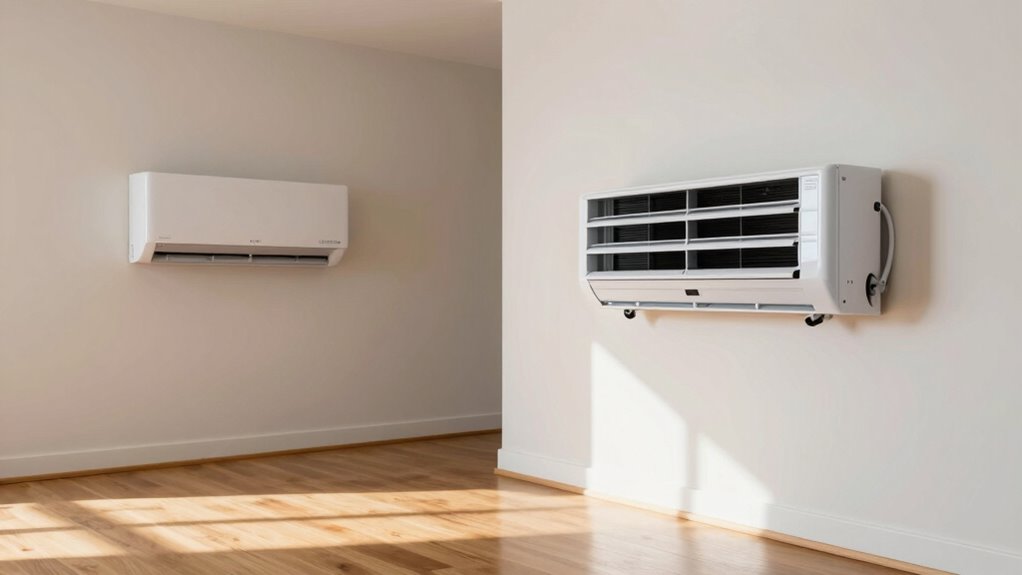
Installing a single-zone mini split typically costs between $2,000 and $5,000, depending on the unit’s capacity, brand, and installation complexity. When comparing costs, the installation expenses for single-zone units are generally lower because they involve fewer indoor units and simpler setups. System configurations can also influence the overall costs significantly, as adding more zones often requires additional equipment and modifications. Multi-zone systems, on the other hand, tend to have a higher initial investment, often ranging from $5,000 to $10,000 or more. This higher cost is partly due to the capacity needed to support multiple zones efficiently. This is due to the additional indoor units, more complex ductwork, and increased labor needs. The cost comparison shows that single-zone mini splits are more budget-friendly upfront, but multi-zone systems, while more expensive initially, may offer better value for heating and cooling multiple spaces efficiently. Your choice depends on your specific needs and budget. Understanding system configurations can help you make an informed decision based on your home’s layout and comfort requirements.
What Hidden Expenses and Long-Term Costs Should You Expect?
While initial installation costs are important, it’s equally important to take into account hidden expenses and long-term costs associated with single-zone and multi-zone mini splits. Hidden fees, like unexpected repair costs or higher energy bills, can quickly add up. Maintenance costs also vary: multi-zone systems often require more frequent servicing due to their complexity, increasing your expenses over time. Additionally, understanding the data storage and backup gear involved in managing these systems can help prevent unexpected failures and reduce long-term expenses. Properly maintaining system components and monitoring energy consumption can further mitigate ongoing costs and improve system efficiency over the lifespan of the unit. Being aware of system monitoring tools can assist in early detection of potential issues, saving you money in the long run. Moreover, considering microplastics in dust and their impact on indoor air quality emphasizes the importance of regular maintenance and air filtration to protect health and system longevity.
How Do You Decide Which Mini Split System Fits Your Budget and Home?
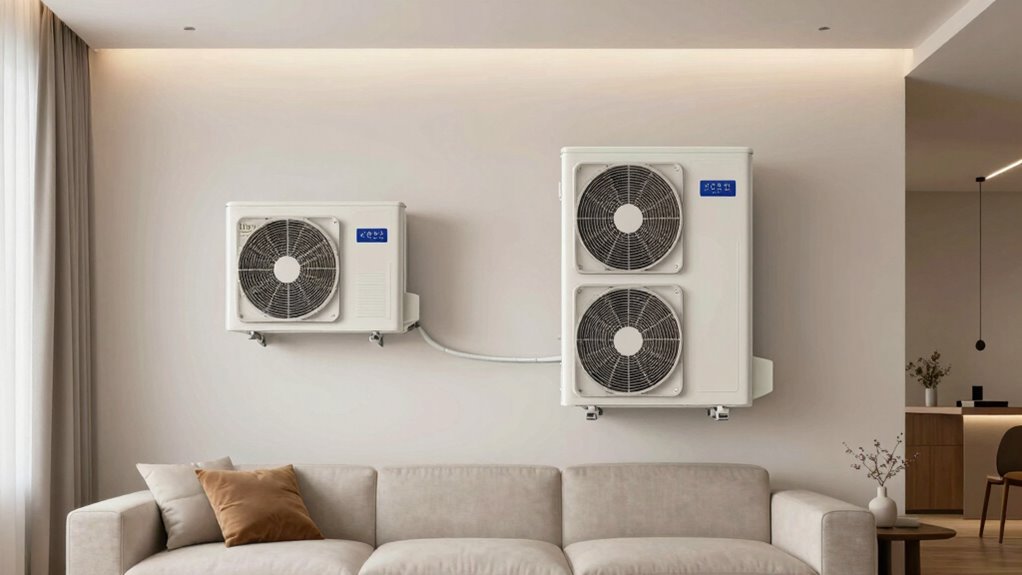
Choosing the right mini split system depends on your budget and the specific needs of your home. Start by evaluating your home’s size and layout to determine whether a single-zone or multi-zone system best suits your space. Energy efficiency is key—look for units with high SEER ratings to save on long-term costs. Consider maintenance requirements as well; simpler systems often need less upkeep and can reduce ongoing expenses. If you have multiple rooms or areas with different heating or cooling needs, a multi-zone system might be more cost-effective despite a higher initial investment. Conversely, if your space is small or straightforward, a single-zone system could be more budget-friendly and easier to maintain. Understanding the air distribution capabilities of different systems can also help you make a more informed decision. Additionally, assessing the technological complexity of the system can impact both installation and future upgrades, influencing overall cost-effectiveness. When evaluating options, factoring in the installation process and potential disruptions can help you avoid surprises and hidden costs. Moreover, considering the system lifespan can ensure you select a durable option that offers better value over time. A thorough assessment of these cost factors can help you make smarter investment choices. Balancing these factors helps you choose a system that fits both your budget and your home’s demands.
What Are the Best Tips to Avoid Costly Mistakes When Choosing a Mini Split System?
To avoid costly mistakes when selecting a mini split system, it’s essential to do thorough research and understand your home’s specific heating and cooling needs. Proper sizing guarantees you don’t overspend on unnecessary capacity or compromise comfort. Consider these tips:
Thorough research and proper sizing prevent costly mistakes with mini split systems.
- Prioritize energy efficiency ratings to save on long-term operating costs.
- Assess installation complexity, as multi-zone systems may require more extensive setup.
- Determine whether single-zone or multi-zone units better suit your home’s layout.
- Consult a professional to evaluate your space and help avoid common pitfalls like improper sizing or placement.
Frequently Asked Questions
Can Multi-Zone Systems Be Expanded Later if Needed?
Yes, multi-zone systems can be expanded later, offering great retrofit flexibility. If your needs grow or you want to add more rooms, you can usually integrate additional indoor units into your existing system. This makes it easier to adapt to changes without replacing the entire setup. Just make certain your current system supports expansion and consult a professional to plan the system expansion properly.
How Do Maintenance Costs Compare Between Single-Zone and Multi-Zone Units?
You’ll find that maintenance costs for single-zone mini splits are generally lower because they involve fewer components and simpler systems. In contrast, multi-zone units tend to have higher maintenance considerations due to more complex wiring, additional indoor units, and filters. While the initial cost comparison favors single-zone units, keep in mind that multi-zone systems may incur higher ongoing maintenance expenses over time.
Are There Warranty Differences Based on System Type?
Warranty coverage often differs between single-zone and multi-zone mini split systems, with multi-zone units sometimes offering more extensive warranties due to their increased system complexity. You should check the manufacturer’s warranty details, as system reliability can influence coverage length and inclusions. Generally, a reliable system with good warranty coverage provides peace of mind for your investment, but always compare the specifics to ensure you’re protected for both types of systems.
Do Energy Efficiency Ratings Vary Significantly Between Systems?
You might wonder if efficiency ratings differ much between systems. The truth is, the efficiency comparison can be significant, especially with multi-zone units often boasting higher SEER ratings due to advanced technology. Rating variability exists, meaning some models perform better than others. So, don’t just settle for the first system you see—look closely at the ratings to find the most energy-efficient option for your needs.
What Are the Common Installation Challenges for Multi-Zone Setups?
You might face installation challenges with multi-zone setups, especially due to ductwork complexity and refrigerant piping. Ductwork can be tricky to configure, requiring precise design to guarantee even airflow and avoid leaks. Refrigerant piping also demands careful routing to prevent pressure drops and maintain system efficiency. These factors can increase installation time and costs, so planning ahead helps minimize issues and ensures your multi-zone mini split operates smoothly.
Conclusion
Choosing between single-zone and multi-zone mini splits is like walking a tightrope—you want to balance initial costs with long-term savings. By understanding the differences, hidden expenses, and your home’s needs, you can avoid pitfalls that might cost you an arm and a leg down the road. Do your homework, weigh your options carefully, and remember, a penny saved is a penny earned. With the right choice, you’ll keep your cool without breaking the bank.