If you notice lingering odors, constant heaviness in the air, or stuffiness, your home’s ventilation might be failing. Other signs include mold growth, condensation on windows, and increased dust or allergy symptoms. When fresh air doesn’t circulate despite opening windows or using fans, it’s a clear indication of poor airflow. If these issues sound familiar, there’s more to discover about how to improve your indoor air quality.

Get cleaning gear delivered free — and shop member deals
- Fast, free delivery on millions of items
- Access to Prime Big Deal Days deals on October 6–7
- Prime Video, Amazon Music and more included
Key Takeaways
- Persistent odors and stuffy feeling indicate poor air exchange and ventilation failure.
- Condensation, mold, or damp spots signal excess humidity and inadequate airflow.
- Increased dust, pet dander, or allergy symptoms suggest pollutants are not being effectively removed.
- Difficulty cooling or dehumidifying points to ineffective ventilation system performance.
- Opening windows or using fans no longer improves air quality, indicating ventilation issues.

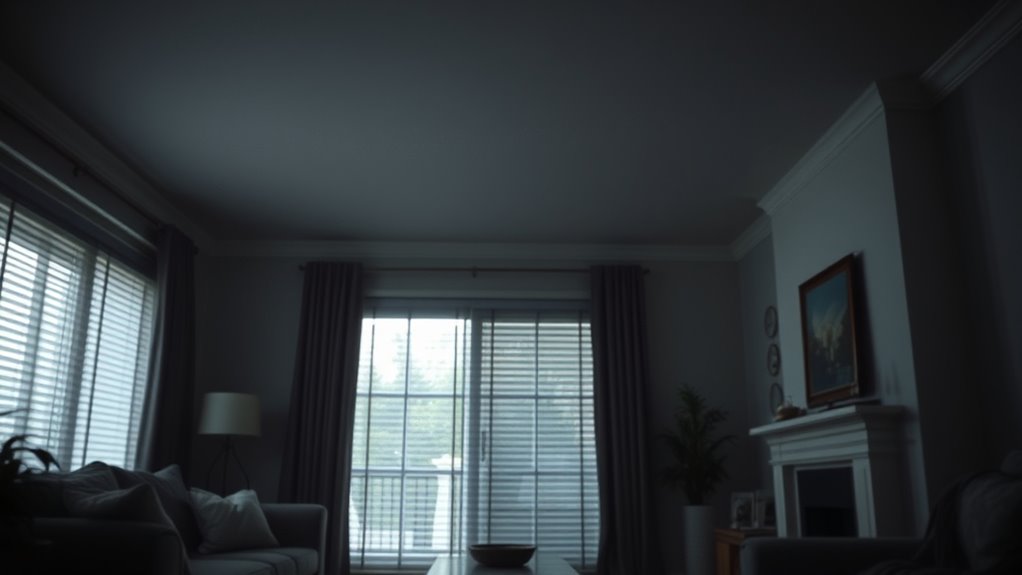
Poor ventilation at home can quietly impact your health and comfort, often going unnoticed until problems become obvious. One of the most noticeable signs is lingering stale air, which can make your living space feel stuffy and uncomfortable. When your home’s air quality deteriorates due to poor airflow, you might start to notice a constant weight in the air, an odor that just won’t go away, or a feeling of heaviness when you breathe. These are clear indicators that your ventilation system isn’t working as it should.
Lingering stale air signals poor ventilation and can affect your health and comfort.
Another sign to watch for is moisture buildup. When your home doesn’t have proper ventilation, humidity levels can rise unexpectedly. You might see condensation on windows, mold growth in corners, or damp spots on walls and ceilings. Moisture buildup not only damages your property but also creates a breeding ground for bacteria and mold spores, which can trigger allergies or respiratory issues. If you find yourself constantly wiping down windows or noticing a persistent damp smell, it’s time to evaluate your ventilation.
Poor airflow can also lead to increased indoor pollutants, such as dust, pet dander, or chemical fumes from cleaning products and furnishings. Without fresh air circulating, these particles settle and accumulate, causing your indoor air quality to decline. This can lead to symptoms like sneezing, coughing, or headaches that worsen over time. If you or your family members start experiencing frequent allergy symptoms or respiratory discomfort without an apparent cause, it could be due to inadequate ventilation.
You might also notice that your home feels uncomfortably warm or overly humid during certain seasons, especially in the summer. Since good ventilation helps regulate temperature and humidity levels, its failure results in a stuffy environment that’s hard to cool or dehumidify. This not only affects your comfort but can also promote mold growth and damage to furniture or electronics.
Finally, if you observe that opening windows or using fans doesn’t substantially improve air circulation, it’s a clear sign that your ventilation system isn’t functioning properly. Proper air exchange is essential for maintaining a healthy indoor environment. If these signs are familiar, it’s a good idea to assess your ventilation setup and consider improvements, like installing vents or air purifiers, to restore good air quality and prevent moisture buildup. Ignoring these signs can lead to long-term health issues and property damage, so addressing poor ventilation early is essential.
Additionally, regularly assessing your home’s ventilation effectiveness can help prevent these issues from developing into more serious problems.
air purifiers for indoor air quality
As an affiliate, we earn on qualifying purchases.
As an affiliate, we earn on qualifying purchases.
Frequently Asked Questions
Can Poor Ventilation Cause Long-Term Health Issues?
Yes, poor ventilation can cause long-term health issues. When indoor pollutants build up due to inadequate air filtration, you may experience respiratory problems, allergies, or asthma flare-ups. Over time, exposure to mold, dust, and chemicals can impact your lung health and overall well-being. Ensuring proper ventilation helps remove these pollutants, promotes fresh air, and reduces the risk of chronic health conditions related to indoor air quality.
How Often Should I Clean My Ventilation System?
You should clean your ventilation system at least once every 6 to 12 months. Regular ventilation maintenance helps prevent dust, mold, and debris buildup that can impair airflow and air quality. If you notice excessive dust, mold, or reduced airflow, consider cleaning more frequently. Proper cleaning frequency guarantees your system functions efficiently, maintains healthy indoor air, and prolongs the lifespan of your ventilation components.
Are There Specific Plants That Improve Indoor Air Quality?
Did you know that certain indoor plants can remove up to 87% of airborne toxins in 24 hours? You can improve your indoor air quality by choosing air purifying plants like snake plants, peace lilies, and pothos. These plants naturally filter out pollutants and boost oxygen levels, making your home healthier. Incorporate them into your space for a simple, beautiful way to breathe easier every day.
What Are the Best DIY Methods to Improve Ventilation?
To improve ventilation with DIY fixes, start by regularly opening windows to increase airflow and create cross-ventilation. Use fans strategically, like oscillating or exhaust fans, to move air out of your space. Consider installing inexpensive vent covers or filters to prevent blockages. For simple ventilation upgrades, add vent gaps in doors or window screens, and keep air pathways clear. These steps help refresh indoor air and boost ventilation naturally.
How Does Weather Affect Indoor Air Quality?
Weather impacts indoor air quality by influencing outdoor humidity and seasonal airflow. When outdoor humidity is high, it can make your indoor air feel damp and stuffy, leading to potential mold growth. Seasonal airflow changes, like wind or temperature shifts, can either improve ventilation or trap stale air inside. You can keep air fresh by adjusting windows and using fans during favorable weather, ensuring better indoor air quality regardless of outdoor conditions.
As an affiliate, we earn on qualifying purchases.
Conclusion
If you notice these signs, your home’s ventilation might be failing. Don’t ignore the stale air or persistent odors—they’re warning signs that fresh air isn’t circulating properly. Think about how much better your home could feel with proper airflow. Isn’t it worth taking steps now to improve your indoor environment? Addressing ventilation issues can boost your comfort and health, so why not start today and breathe easier tomorrow?
dehumidifiers for dampness and mold
As an affiliate, we earn on qualifying purchases.
As an affiliate, we earn on qualifying purchases.
As an affiliate, we earn on qualifying purchases.
Fall Picks
fall essentials
As an affiliate, we earn on qualifying purchases.