
TL;DR
A Spanish study finds that perovskite-silicon tandem PV systems have approximately 30% lower environmental impacts per kWh than traditional silicon-based panels. However, their benefits depend on long operational lifetimes and improved stability. The study highlights the need for further technological advancements for widespread adoption.
A Spanish research team has found that perovskite-silicon tandem photovoltaic (PV) systems offer approximately 30% lower environmental impacts per kilowatt-hour than traditional silicon-based solar panels, according to a recent study. This development underscores the potential for tandem PV to improve the sustainability of solar energy, provided that long-term stability and recycling challenges are addressed.
The study, conducted by a research group from Universitat Politècnica de Catalunya (UPC), performed a cradle-to-gate life cycle assessment (LCA) of eight PV technologies across three generations, following ISO standards. It found that tandem PV modules, which combine perovskite and silicon layers, demonstrate higher efficiencies and lower environmental impacts per unit of energy produced compared to conventional silicon-based panels.
However, the analysis also indicates that tandem systems require operational lifetimes of over 15 years to outperform silicon panels environmentally. Their performance is sensitive to degradation rates, which are currently higher due to stability issues with perovskite layers. The study notes that thin-film technologies like cadmium telluride (CdTe) still have the lowest overall impacts, mainly because of their minimal material and energy requirements during manufacturing.
Key environmental hotspots identified include silicon wafer production, aluminum encapsulation, and energy-intensive manufacturing processes. The researchers highlighted that recycling potential is highest for CdTe, whereas recycling of tandem modules presents challenges due to the difficulty in separating layered materials. The study emphasizes that technological improvements in stability and encapsulation are essential for tandem PV to realize its environmental benefits on a large scale.
Implications of Reduced Environmental Impact for Solar Industry
This study indicates that tandem PV technology could significantly enhance the sustainability of solar energy by reducing environmental impacts by approximately 30% compared to silicon-based panels. Such improvements could accelerate the adoption of higher-efficiency PV systems, contributing to global renewable energy targets. However, the findings also highlight the importance of technological advancements in stability, lifetime, and recycling processes to fully realize these environmental benefits.
For policymakers and manufacturers, these results suggest that investing in research to improve tandem PV durability and recyclability could be crucial. The potential environmental gains reinforce the importance of innovation in emerging PV technologies to achieve a more sustainable energy future.
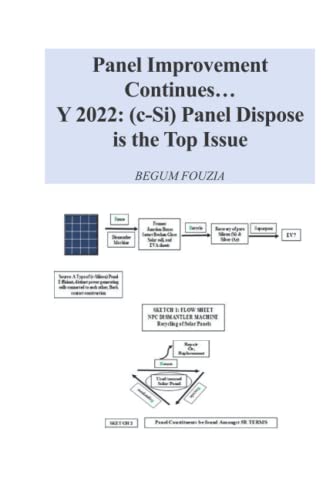
Panel Improvement Continues…: Y 2022: (c-Si) Panel Dispose is the Top Issue
As an affiliate, we earn on qualifying purchases.
As an affiliate, we earn on qualifying purchases.
Background on PV Technologies and Environmental Assessments
The PV industry has historically relied on silicon-based modules, which have seen continuous efficiency improvements and cost reductions. Recently, new technologies like thin-film PV (e.g., cadmium telluride) and tandem cells have emerged, promising higher efficiencies and lower environmental impacts. The study conducted by UPC compares these generations through a comprehensive life cycle assessment, considering raw material extraction, manufacturing, and module production.
Previous research has shown that thin-film technologies tend to have lower material and energy requirements, leading to reduced environmental footprints. Tandem PV, combining perovskite and silicon, has demonstrated laboratory efficiencies over 30%, but concerns remain regarding stability, degradation, and recycling. This assessment provides a comparative analysis that clarifies the environmental trade-offs among these technologies.
“Perovskite-silicon tandem technologies have shown a reduced environmental impact compared to current dominant silicon-based cells.”
— Julia Otero

JJN UL61730 N-Type 850 Watt Bifacial Solar Panel, 2Pcs 425W 16BB 25% High-Efficiency Monocrystalline, 12V/24V/48V On-Grid & Off-Grid System for Emergency,Rooftop,Home,Farm,Charging Station
- Certification and Efficiency: UL61730 certified, 25% efficiency
- High Power Density: 1.2W/ft², faster payback
- Bifacial Design: Captures sunlight from both sides
As an affiliate, we earn on qualifying purchases.
As an affiliate, we earn on qualifying purchases.
Uncertainties Around Long-Term Stability and Recycling
It remains unclear how tandem PV modules will perform over operational lifetimes exceeding 15 years, given current stability challenges with perovskite layers. Recycling processes for layered tandem modules are also not yet fully developed, posing potential environmental and economic barriers. Further long-term field data and technological innovations are needed to confirm the sustainability advantages of tandem PV at scale.
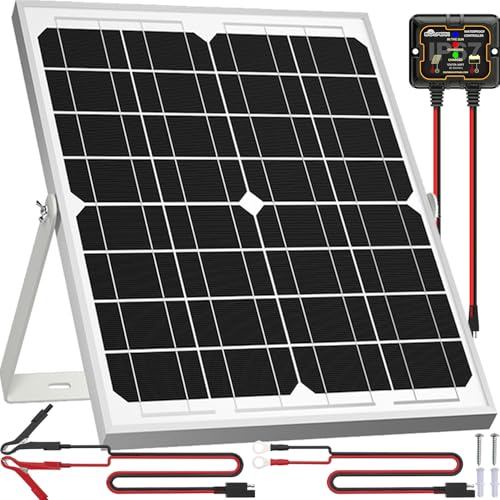
SOLPERK Solar Panel Kit 20W 12V, Waterproof Solar Battery Trickle Charger Maintainer + Smart MPPT Controller + Adjustable Mount Bracket for Boat Car RV Motorcycle Marine Automotive
- High Conversion Efficiency: 21%-30% cell efficiency for optimal charging
- Universal Battery Compatibility: Charges various 12V rechargeable batteries
- Durable Waterproof Design: Low-iron tempered glass and corrosion-resistant frame
As an affiliate, we earn on qualifying purchases.
As an affiliate, we earn on qualifying purchases.
Future Research and Development Priorities for Tandem PV
Next steps include advancing stability and encapsulation techniques for perovskite layers, developing scalable recycling methods, and conducting real-world long-term performance studies. Policymakers and industry stakeholders are likely to focus on funding research to address these challenges, aiming to enable tandem PV to deliver on its environmental promise and accelerate its commercial deployment.

BougeRV 1 Pair Solar Connector Tool Assembly Spanners Wrenches
- Easy to Connect: Securely connect solar panel connectors
- Effortless Disconnection: Quickly disconnect solar connectors
- Universal Compatibility: Fits most solar connectors
As an affiliate, we earn on qualifying purchases.
As an affiliate, we earn on qualifying purchases.
Key Questions
How much lower is the environmental impact of tandem PV compared to silicon?
The study estimates that tandem PV systems can have approximately 30% lower environmental impacts per kilowatt-hour than traditional silicon-based panels.
What are the main challenges facing tandem PV technology?
The primary challenges include improving perovskite stability to ensure long operational lifetimes and developing efficient recycling methods for layered modules.
Will tandem PV be ready for widespread deployment soon?
While promising, tandem PV technology still requires further technological advancements and long-term testing before large-scale commercial deployment can be expected.
How does the environmental impact of thin-film PV compare?
Thin-film technologies like cadmium telluride (CdTe) currently have the lowest overall impacts due to their minimal material and energy requirements during manufacturing.
What is the significance of this study for the solar industry?
This study highlights the potential environmental benefits of tandem PV, encouraging further research and innovation to overcome current limitations and accelerate sustainable solar energy deployment.
Source: PV Magazine