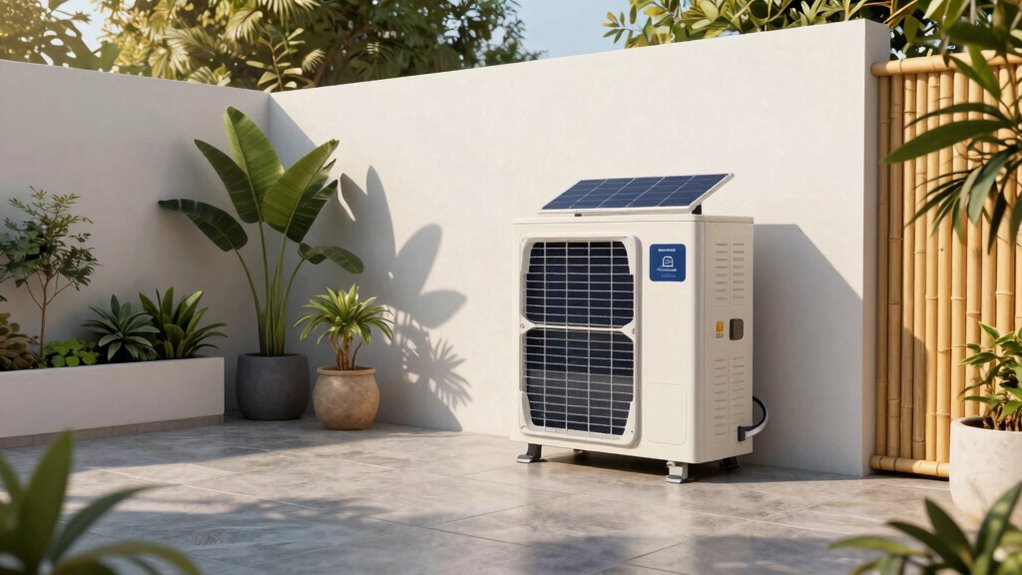

The smartest way to approach summer cooling upgrades is to combine energy-efficient equipment with a smart thermostat. Choose units with high SEER ratings to save energy and extend their lifespan, and maintain your system regularly for peak performance. Use smart thermostats to learn your routine, optimize cooling, and control your system remotely. By integrating these strategies, you’ll enjoy better comfort, lower bills, and a smaller environmental footprint—details that make a real difference come summer.

Get cleaning gear delivered free with Prime
- Fast, free delivery on millions of items
- Prime Video, Amazon Music and more included
- Member-only deals all year
Key Takeaways
- Combine energy-efficient cooling units with smart thermostats for optimal performance and cost savings.
- Regularly maintain systems by cleaning filters and sealing ducts to maximize efficiency.
- Choose high SEER-rated equipment to ensure eco-friendly and energy-saving operation.
- Use remote control features to adjust settings based on occupancy and usage habits.
- Adopt a holistic approach by upgrading equipment, maintaining systems, and practicing smart energy habits.
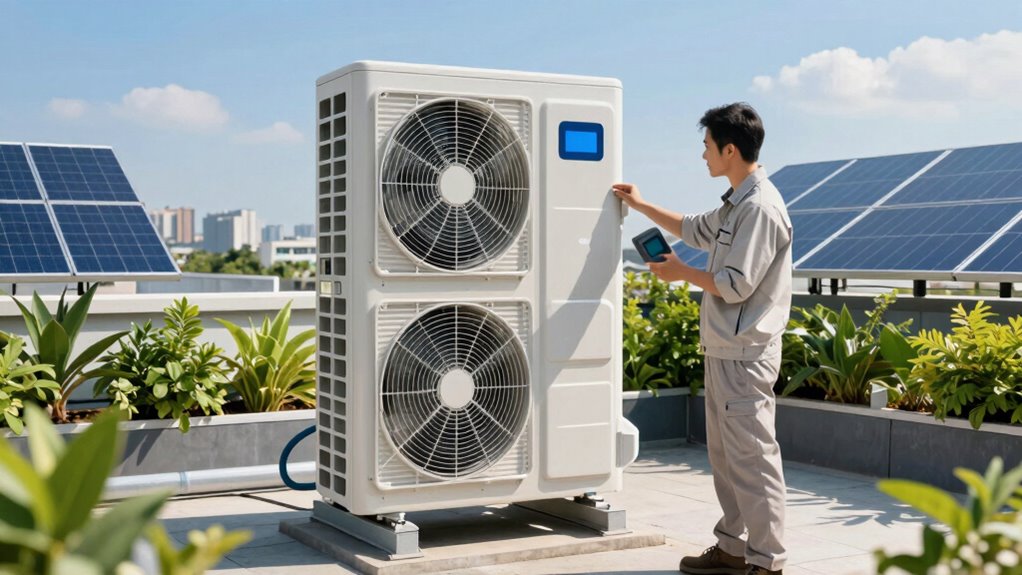
As the summer heat approaches, it’s essential to upgrade your cooling systems to stay comfortable and save on energy costs. One of the smartest ways to do this is by focusing on energy efficiency and integrating smart thermostats into your home. These modern devices don’t just control temperature—they optimize your entire cooling system, making sure you use only the energy you need. By upgrading with energy-efficient equipment and smart thermostats, you can reduce your utility bills while maintaining a cool, comfortable home.
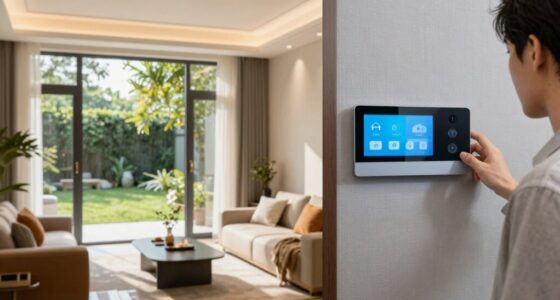
Smart thermostats are a game-changer because they adapt to your schedule and preferences. Instead of setting a fixed temperature and forgetting about it, these devices learn your routines and adjust accordingly. For example, they can lower the cooling when you’re away and ramp it up before you return, ensuring your home is comfortable when you walk in the door. This level of automation not only improves energy efficiency but also minimizes waste, helping you cut down on unnecessary energy consumption. Plus, many smart thermostats can be controlled remotely via your smartphone, giving you the flexibility to adjust your cooling settings from anywhere—whether you’re at work or on vacation.
Smart thermostats learn your routines, optimize energy use, and can be controlled remotely for ultimate convenience and efficiency.
Investing in energy-efficient cooling equipment is equally important. Modern air conditioners and fans are designed to deliver the same cooling power while consuming less energy. Look for units with high Seasonal Energy Efficiency Ratio (SEER) ratings—they indicate how efficiently the system uses electricity. An energy-efficient system reduces strain on your power supply, lowers your overall energy costs, and extends the lifespan of your equipment. When combined with a smart thermostat, these systems work together to optimize performance and efficiency. For example, a smart thermostat can automatically switch to energy-saving modes during peak load times, further reducing energy use without sacrificing comfort.
Another key aspect of a smart approach to summer cooling is regular maintenance. Keep filters clean, check for leaks, and ensure your ducts are sealed properly. These simple steps enhance system efficiency, prevent energy waste, and improve overall performance. Regular maintenance can also help identify system inefficiencies early, allowing you to address issues before they lead to higher energy bills or system failure. When your system operates efficiently, your smart thermostat can manage your home’s temperature more effectively, resulting in fewer energy peaks and smoother operation.
Ultimately, the smartest way to approach summer cooling upgrades is to think holistically. Combine energy-efficient appliances with smart thermostats, maintain your system, and be mindful of your usage habits. This approach not only keeps your home cooler but also helps you save money and reduce your environmental footprint. As temperatures rise, these strategic upgrades make it easier to stay comfortable without overburdening your energy bills. Additionally, understanding energy efficiency ratings can guide you to select the most effective cooling systems for your needs.
Products Worth Considering

Levoit Core 600S-P Smart Air Purifier for Large Rooms

LEVOIT Vital 100S-P Smart Air Purifier with Washable Pre-Filter

Levoit Vital 200S-P Smart Air Purifier for Large Rooms
As an affiliate, we earn on qualifying purchases.
Frequently Asked Questions
How Much Do Summer Cooling Upgrades Typically Cost?
Summer cooling upgrades typically cost between $200 and $2,500, depending on your choices. Installing a smart thermostat can cost around $100 to $250 and helps optimize your cooling system efficiently. Adding window treatments like blackout shades or reflective films can range from $50 to $1,000, reducing heat gain. You’re likely to save money on energy bills by combining these upgrades, making your home cooler and more comfortable all summer long.
Are DIY Upgrades Effective for Cooling Improvements?
Sure, DIY upgrades might seem tempting, but they often fall into DIY pitfalls, leaving your cooling system less effective. While you might save money initially, poor installation can lead to higher energy bills and discomfort. Professional installation guarantees your upgrades are done right, maximizing efficiency and lifespan. So, if you value cool comfort and avoid costly mistakes, trusting experts beats tinkering on your own every time.
When Is the Best Time to Upgrade Cooling Systems?
You should upgrade your cooling system before peak summer heat hits, ideally in late spring or early summer. This way, you can install a smart thermostat to optimize energy use and improve comfort. Additionally, upgrading attic insulation helps keep your home cooler naturally, reducing strain on your system. Doing these upgrades early guarantees you’re prepared for hot days, saving money and increasing comfort throughout the summer.
How Long Do Cooling Upgrades Usually Last?
Like a trusty ship hitting smooth waters, your cooling upgrades can last 10 to 15 years when properly maintained. If you install a smart thermostat and boost insulation, you’ll extend their lifespan and efficiency. Regular check-ups guarantee your system stays in top shape, much like a well-tuned instrument. With care, your upgraded cooling system will serve you well through many summers, keeping you comfortable and energy-efficient.
Can Upgrades Improve Energy Efficiency Permanently?
Upgrades can definitely improve energy efficiency permanently if you choose the right solutions and maintain them properly. By investing in energy-efficient systems and optimizing your cooling setup, you promote long-term energy conservation and substantial cost savings. Regular maintenance ensures these improvements keep working effectively over time. So, yes, strategic upgrades can preserve their efficiency and help you save money year after year while reducing your environmental impact.
Conclusion
This summer, upgrade smartly, save energy, and stay comfortable. Invest in efficient equipment, seal leaks, and optimize your thermostat. Embrace better insulation, schedule regular maintenance, and explore eco-friendly options. These steps work together, working in harmony to keep your home cool, your expenses low, and your mind at ease. With each upgrade, you create a more comfortable, more sustainable living space—making every summer day a breeze, every night a restful escape.