UV lights in HVAC systems are a proven way to improve air quality and reduce mold, bacteria, and viruses. They inactivate microbes, prevent mold buildup on coils, and help keep your system cleaner and more efficient. While there are some safety considerations and costs involved, properly installed UV systems offer clear benefits for healthier indoor air. Want to discover how they can make a real difference in your home? Keep exploring further.
Key Takeaways
- UV lights effectively reduce mold, bacteria, and viruses, improving indoor air quality when properly installed and maintained.
- They help prevent microbial buildup on HVAC coils, enhancing system efficiency and longevity.
- Proper safety features and professional installation minimize risks like ozone production and UV exposure.
- Cost considerations include initial investment and maintenance, but benefits often justify the expense.
- When correctly used, UV lights are a helpful upgrade, not a gimmick, for improving health and HVAC performance.
How Do UV Lights Work in HVAC Systems?
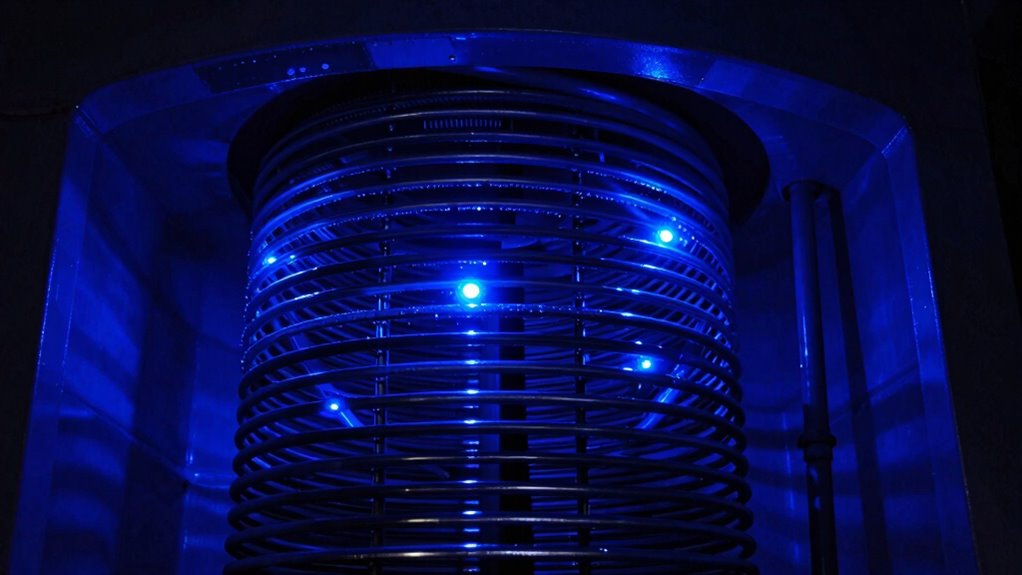
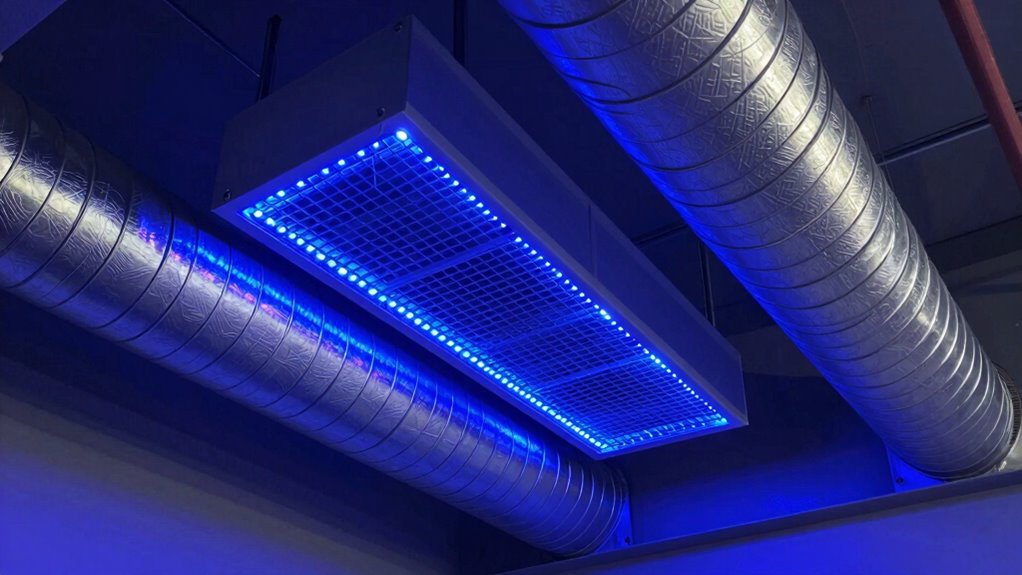
Have you ever wondered how UV lights help keep your HVAC system cleaner? When UV light installation is added to your system, it targets airborne pathogens and mold spores, reducing their growth. These lights are typically installed near the coil or within the ductwork, where they influence airflow dynamics. As air flows past the UV light, the radiation disrupts the DNA of microbes, destroying or inactivating them. This process prevents mold buildup on coils and reduces microbial contamination in your indoor air. The UV light doesn’t just improve air quality; it also helps maintain system efficiency by preventing microbial growth that can clog filters and coils. Additionally, UV lights can help in reducing allergens and improving overall indoor air quality. They are especially effective in preventing mold growth in humid environments, further supporting healthier indoor spaces. UV lights work by actively interacting with the airflow, and their disinfection process ensures your HVAC system stays cleaner and healthier. Incorporating indoor air quality improvements can also enhance the overall comfort of your home environment.
What Are the Main Benefits of Installing UV Lights?
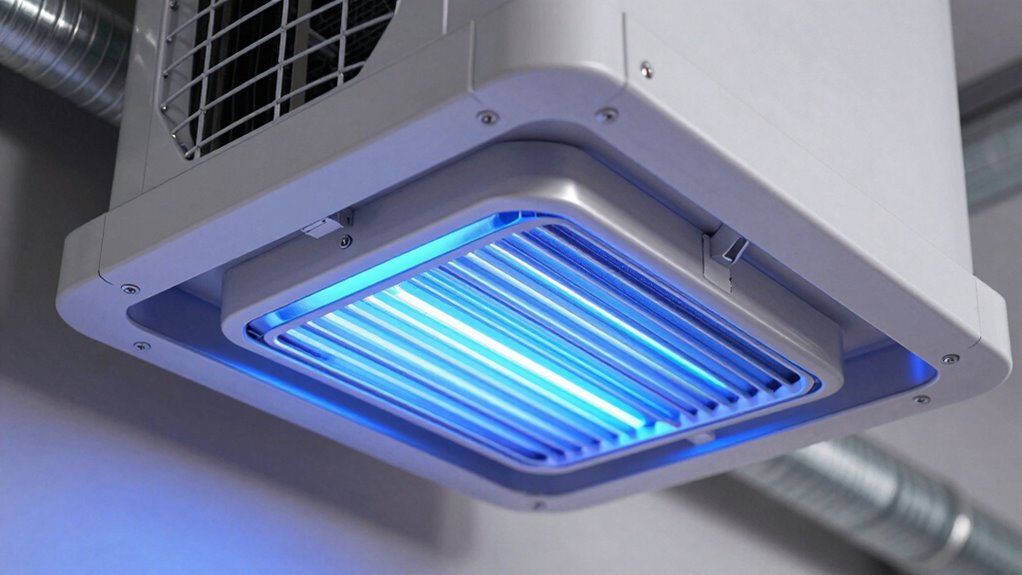
Installing UV lights in your HVAC system offers several key benefits that enhance both air quality and system performance. First, UV lights help improve air quality by reducing airborne contaminants like mold spores, bacteria, and viruses, making your indoor environment healthier. They also assist in keeping your HVAC components cleaner by preventing mold and microbial growth on coils and other surfaces. This leads to better airflow and reduces the need for frequent maintenance. Additionally, UV lights can boost energy efficiency by maintaining cleaner coils, which allows your system to operate more effectively and use less energy. Furthermore, UV lights can help prevent microbial growth and extend the lifespan of your HVAC system. Overall, installing UV lights can create a healthier home environment while helping your HVAC system run smoothly and efficiently for longer periods.
Do UV Lights Effectively Kill Mold, Bacteria, and Viruses?
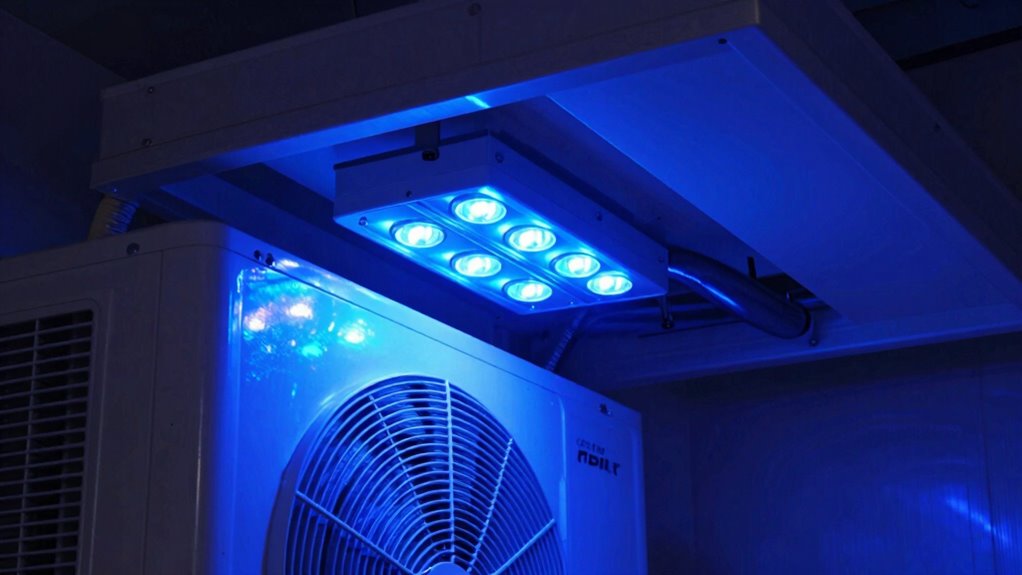
You might wonder if UV lights truly eliminate mold, bacteria, and viruses in your HVAC system. These lights are known for their germicidal effects, but their effectiveness depends on factors like exposure time and intensity. Proper installation and maintenance are crucial to ensure they function as intended. Additionally, understanding the color temperature adjustments can help optimize the performance of UV lights in different environments. Let’s explore how well UV lights can reduce harmful microorganisms and keep your indoor air safer.
UV Light Germicidal Effectiveness
UV lights are highly effective at neutralizing mold, bacteria, and viruses when properly installed and maintained. They can notably improve your indoor air quality by destroying harmful pathogens on contact. Proper installation ensures the UV light targets the right areas, maximizing germicidal benefits without increasing energy consumption unnecessarily. Additionally, understanding air quality improvement related to UV light effectiveness can help homeowners make informed decisions about their HVAC upgrades. To illustrate, consider this comparison:
| Effectiveness | UV Intensity | Pathogen Kill Rate |
|---|---|---|
| High | Strong | 99% |
| Moderate | Average | 85% |
| Low | Weak | <50% |
Research indicates that UV light placement within your HVAC system plays a crucial role in optimizing germicidal performance, ensuring pathogens are effectively targeted during operation. Proper UV light maintenance is also essential to sustain its effectiveness over time.
Mold and Bacteria Reduction
UV lights are highly capable of killing mold, bacteria, and viruses when positioned correctly within your HVAC system. By targeting microbial growth on coils and duct surfaces, they help improve air quality and reduce health risks. This can be particularly beneficial in households seeking a more natural wellness approach to indoor air management. This reduction in mold and bacteria means cleaner indoor air, which is especially important for allergy sufferers and those with respiratory issues. Additionally, UV lights can enhance energy efficiency by preventing mold buildup that hampers system performance. When mold and bacteria are minimized, your HVAC system runs more smoothly, consuming less energy. Proper installation ensures maximum effectiveness, making UV lights a practical tool for maintaining a healthier indoor environment. Overall, they can considerably contribute to better air quality and more efficient HVAC operation.
Virus Inactivation Capabilities
While UV lights are known for reducing mold and bacteria, their ability to inactivate viruses is equally significant. UV-C rays target the genetic material of viruses, preventing them from replicating and rendering them harmless. This process is supported by ongoing research into virus inactivation methods, which highlights UV-C’s effectiveness under proper conditions. UV lights can enhance your HVAC system’s air purification by helping eliminate airborne viruses more efficiently. Because UV lights can neutralize viruses quickly, they contribute to a healthier indoor environment. Additionally, UV technology can improve energy efficiency by reducing the load on your HVAC system, as cleaner air means less strain on filters and components. Proper installation and maintenance are crucial for maximizing their benefits, especially considering indoor air quality concerns. When used correctly, they can be a valuable upgrade for virus inactivation, offering peace of mind and cleaner, safer indoor air.
What Are the Limitations and Risks of UV Light Systems?
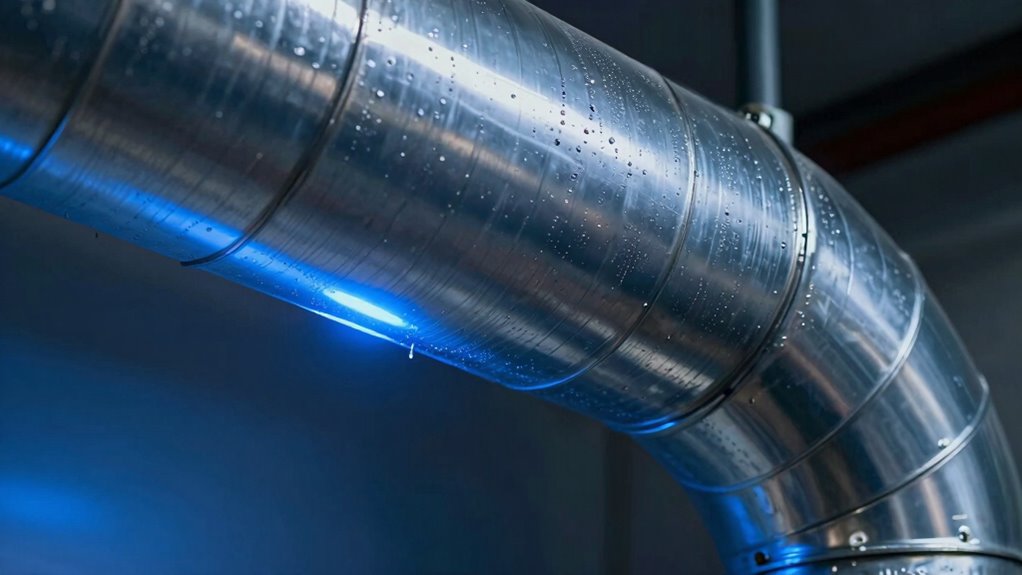
Although UV light systems can effectively reduce airborne pathogens and improve indoor air quality, they also come with certain limitations and risks that you should be aware of. One concern is ozone production; some UV lights emit ozone, which can irritate your respiratory system and worsen asthma symptoms. It’s important to choose UV systems designed to minimize ozone generation. Additionally, electrical hazards are a risk if the system isn’t installed or maintained properly. Faulty wiring or damaged components could cause shocks or fires. UV systems require regular inspections to ensure safety and proper operation. Proper installation practices and adherence to safety standards are essential to prevent accidents. Using certified UV light systems can help ensure safety and efficacy. While they can enhance air quality, understanding these limitations helps you make informed decisions and avoid potential health and safety issues associated with UV light HVAC upgrades. Proper maintenance is essential to ensure the system operates safely and effectively. Moreover, selecting systems with advanced safety features can further reduce potential hazards. Regularly consulting with HVAC professionals can help maintain optimal safety and performance.
How Much Do UV Light Systems Cost, and Are They Worth It?
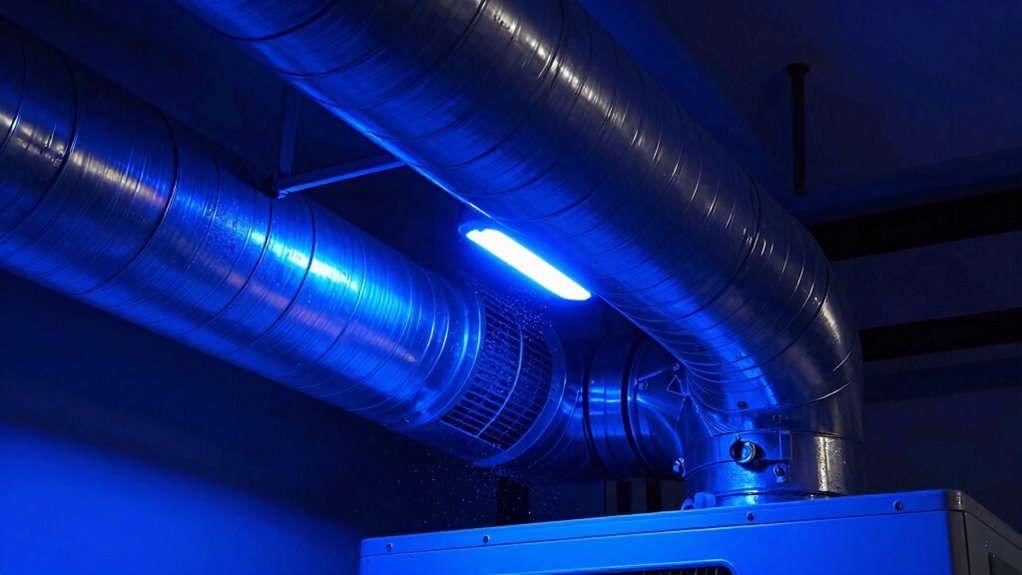
Investing in UV light systems for your HVAC can be a smart move to improve indoor air quality, but it’s important to contemplate the costs involved. The cost comparison varies based on system type and size, typically ranging from $300 to $900 for equipment. Installation process can add another $200 to $600, depending on your system’s complexity and whether you need additional upgrades. While the initial investment might seem steep, many find that the benefits—like reduced mold growth and cleaner air—justify the expense. Consider your budget and the specific needs of your home. UV light systems are generally affordable when compared to other air quality solutions, and their maintenance costs are relatively low. Additionally, understanding the safety considerations associated with UV light systems can help you make an informed decision. Evaluating the cost-effectiveness of these systems can also help determine whether they are a worthwhile investment for your household. Furthermore, reviewing energy consumption can ensure that the system operates efficiently without significantly increasing your utility bills. Conducting a comprehensive indoor air quality assessment can help determine if the system will meet your health and comfort goals.
Will UV Lights Improve Your Indoor Air Quality?
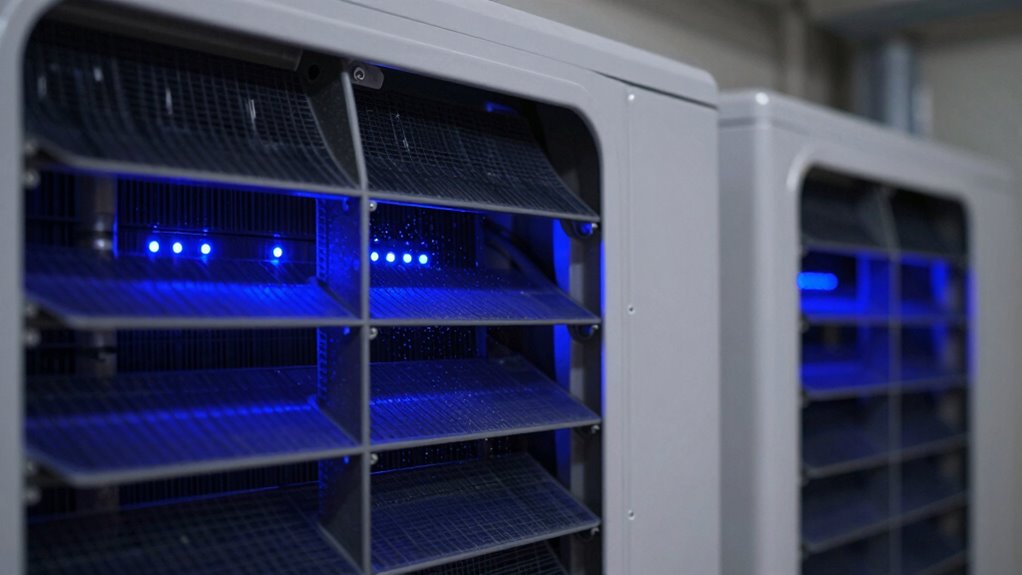
UV lights can remarkably improve your indoor air quality by targeting and neutralizing harmful microorganisms like bacteria, viruses, and mold spores. This process reduces airborne contaminants that can trigger allergies and respiratory issues. By installing UV lights in your HVAC system, you enhance allergen control, making the air safer to breathe. These lights help prevent mold growth on coils and ductwork, which can otherwise circulate allergens throughout your home. As a result, your indoor environment becomes cleaner and healthier. While UV lights aren’t a complete solution for all air quality concerns, they play a significant role in reducing biological pollutants. If allergy symptoms or mold problems are an issue, UV lights could be a beneficial upgrade to improve your overall indoor air quality.
Are UV Lights Safe for Your Home and Family?
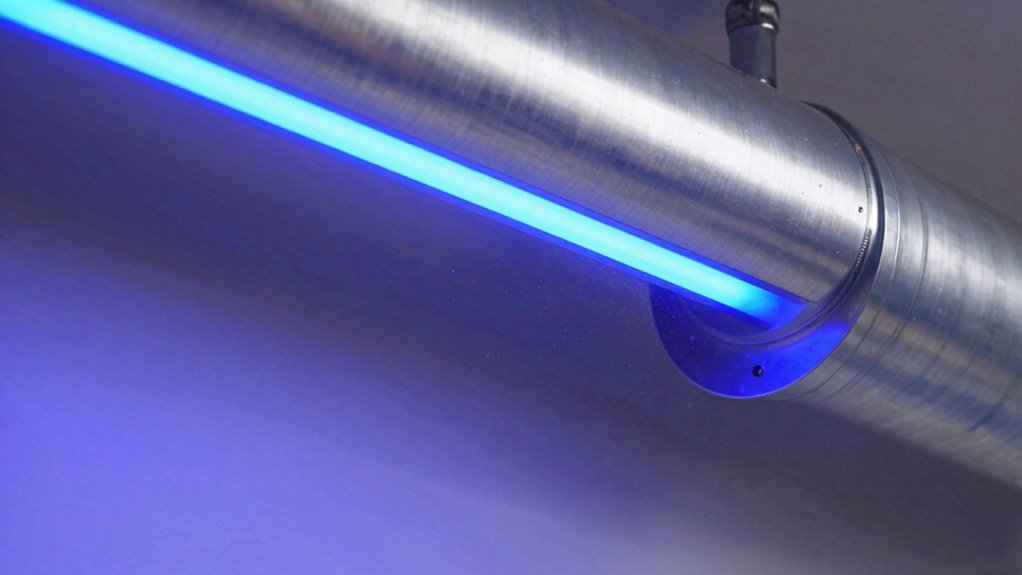
While UV lights effectively improve indoor air quality by neutralizing harmful microorganisms, many homeowners wonder about their safety for family members and pets. Safety concerns are common because UV light can be harmful if directly exposed to skin or eyes. However, when installed properly within your HVAC system, UV lights are generally safe and pose minimal risk. The UV-C rays are contained inside the unit, preventing direct exposure. Manufacturers design these systems with safety features to ensure the UV light only activates when the system runs, reducing any potential hazards. Overall, when installed correctly, UV lights can enhance air quality without compromising your family’s safety. It’s important to work with trained professionals to ensure proper installation and peace of mind.
Frequently Asked Questions
Can UV Lights Cause Damage to HVAC Components Over Time?
UV lights generally don’t damage HVAC components if properly installed and maintained. Their durability means they last years without causing harm. When used correctly, UV light promotes HVAC component safety by reducing mold and bacteria buildup, preventing potential damage. However, poor installation or low-quality units could lead to issues over time. Always choose reputable products and professional installation to guarantee UV lights benefit your system without risking damage.
How Often Should UV Lights in HVAC Systems Be Replaced?
They say “better safe than sorry,” so you should replace your UV lights in HVAC systems every 12 to 24 months. The UV bulb lifespan varies depending on usage and quality, but regular replacement guarantees peak performance and air quality. Keep an eye on your system’s efficiency, and don’t wait too long—timely replacement maintains the UV lights’ germ-killing power and prevents potential damage to your HVAC components.
Are UV Light Systems Compatible With All Types of HVAC Units?
UV light systems aren’t compatible with all HVAC units. You need to check installation compatibility and unit integration before installing. Some systems are designed specifically for certain models, making compatibility essential. If your unit isn’t compatible, the UV light won’t work properly or could cause damage. Always consult your HVAC manufacturer or a professional technician to ensure the UV system fits seamlessly with your existing setup.
Do UV Lights Produce Ozone or Other Harmful Emissions?
You might think UV lights are all sunshine and roses, but they can produce ozone and other harmful emissions if not properly designed. Not all UV systems generate ozone, but some do, which could impact indoor air quality. It’s essential to select UV lights specifically designed to minimize ozone production. Always check the product specs and consult with HVAC professionals to confirm you’re not introducing harmful emissions into your home.
Can UV Lights Help Reduce Allergy Symptoms in Sensitive Individuals?
Yes, UV lights can help reduce allergy symptoms in sensitive individuals. They target airborne allergens like mold spores and bacteria, preventing their growth and circulation in your home. By killing these particles before they spread, UV lights can improve indoor air quality and lessen allergy triggers. While not a complete solution, they’re a helpful upgrade that works alongside regular cleaning and filtration to create a healthier living environment.
Conclusion
UV lights can be a helpful upgrade for your HVAC system, targeting mold, bacteria, and viruses. While they do improve indoor air quality, they aren’t a magic fix and have limitations. The key is understanding their role as part of a broader air purification strategy. If installed correctly and used safely, UV lights can be a worthwhile investment, giving you peace of mind without gimmicks—just real benefits for your home’s health.