Zoning systems for heating and cooling let you customize temperatures in different areas of your home, boosting comfort and saving energy. They help reduce utility bills by heating or cooling only occupied zones, but can be complicated to install and maintain if your system is older or complex. Incorrect setup may cause uneven temperatures or system issues, so weighing these pros and cons can help you decide if zoning is right for you. Keep exploring to understand how you can maximize benefits.
Key Takeaways
- Zoning systems improve comfort by customizing temperatures in different home areas.
- They increase energy efficiency by heating or cooling only occupied zones, reducing utility bills.
- Installation complexity varies; DIY options save money but may require expertise for optimal setup.
- Proper maintenance and management are essential to prevent performance issues and ensure efficiency.
- Mismanagement or incorrect installation can lead to uneven temperatures and system inefficiencies.
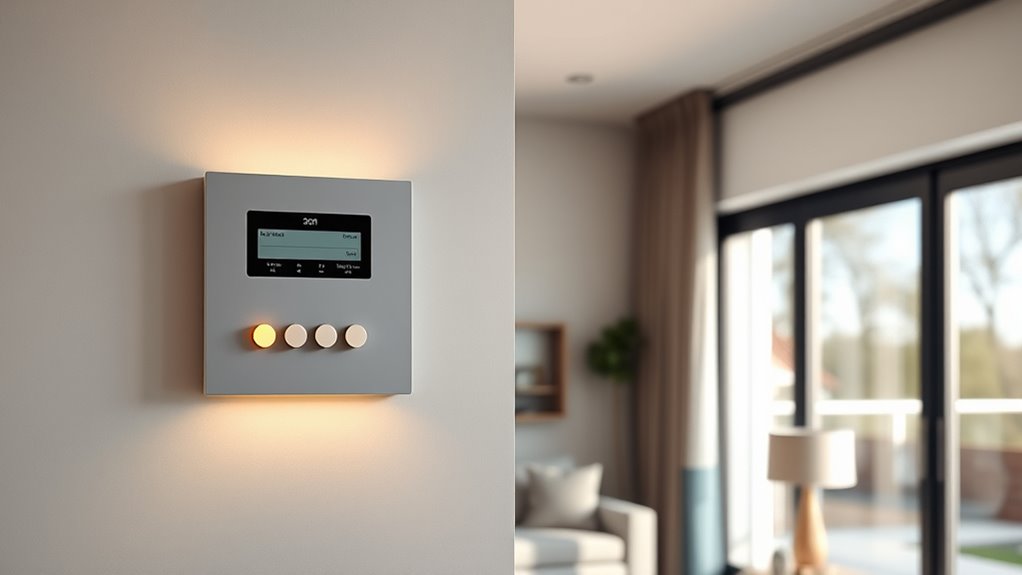
Zoning systems for heating and cooling allow you to customize temperatures in different areas of your home, ensuring comfort and energy efficiency. This means you can set specific temperatures for each zone, so your living room stays cozy while your bedroom remains cooler or warmer, depending on your needs. If you’re comfortable tackling home projects, you might consider a DIY installation of a zoning system. Doing it yourself can save you money on installation costs and give you a sense of accomplishment. Many modern zoning kits come with detailed instructions and user-friendly components, making the process more manageable for handy homeowners. Plus, the ability to install and fine-tune the system yourself means you can start realizing energy savings sooner, by adjusting zones based on your schedule and occupancy.
One of the biggest advantages of zoning systems is the potential for significant energy savings. When you only heat or cool the spaces you use, your HVAC system doesn’t have to work as hard, which reduces energy consumption. This targeted approach minimizes waste, especially in larger homes, where heating or cooling unused rooms can be a major drain on resources. Over time, these savings can add up, offsetting the initial investment in the zoning equipment. Additionally, zoning allows you to set different temperatures for different zones, so you can prioritize comfort without sacrificing efficiency. For instance, you might set the living areas to a higher temperature in winter, while keeping bedrooms cooler, which can lead to lower utility bills.
Zoning saves energy by heating or cooling only occupied areas, reducing waste and lowering utility bills over time.
However, zoning systems also come with some drawbacks. A DIY installation might not be suitable for everyone, especially if your HVAC system is complex or outdated. Incorrect installation can lead to poor system performance, leaks, or uneven heating and cooling. If you’re not confident in your skills, professional installation might be a safer option, though it will increase upfront costs. Additionally, zoning systems require a certain level of maintenance and upkeep to keep the dampers, sensors, and thermostats functioning correctly. Without proper care, the system’s efficiency drops, and the expected energy savings diminish. Moreover, understanding how to effectively manage multiple zones can be challenging for some homeowners, requiring a bit of learning to optimize comfort and efficiency.
Finally, zoning systems can sometimes be a bit complicated to operate and troubleshoot, especially if multiple zones are involved. You might find yourself adjusting multiple thermostats or dealing with communication issues between components. But with some initial effort to understand your system, you’ll likely find that the benefits—like improved comfort and lower energy bills—outweigh these inconveniences. Overall, if you’re willing to put in the effort, zoning systems can be a smart way to improve your home’s comfort while reducing your energy costs.
Frequently Asked Questions
How Long Does It Take to Install a Zoning System?
Installation of a zoning system typically takes between one to three days, depending on its complexity. If your home has a simple setup, it might be quicker, but more complex systems with multiple zones can take longer. Factors like ductwork modifications and system integration can influence the installation timeline. To get an accurate estimate, consult with a professional who can assess your home’s specific zoning system complexity.
Can Zoning Systems Be Integrated With Smart Home Technology?
Oh, you’d think smart home integration is impossible with zoning systems, right? Actually, many zoning systems are designed for compatibility with smart home technology. You can seamlessly control your zones through apps or voice commands, making your heating and cooling smarter and more efficient. So, yes, zoning system compatibility with smart home integration isn’t just a dream — it’s increasingly common, giving you more control and convenience than ever before.
What Maintenance Is Required for Zoning Systems?
You’ll need to perform routine upkeep on your zoning system, like changing filters and inspecting dampers regularly. Also, schedule system calibration to ensure zones operate efficiently and accurately. Keep an eye on thermostats and control panels for any issues, and consider professional tune-ups annually to maintain peak performance. Proper maintenance helps your zoning system run smoothly, saving energy and extending its lifespan.
Are Zoning Systems Suitable for Small or Large Homes?
Zoning systems suit both small and large homes, offering tailored comfort and energy efficiency. For small homes, zoning helps maximize budget considerations by reducing energy waste. In large homes, zoning provides better control over multiple areas, enhancing comfort and reducing costs. You’ll find that zoning adapts to your home size, whether compact or sprawling, making it a versatile solution that aligns with your budget and comfort needs.
How Much Energy Can Zoning Systems Actually Save?
Zoning systems can markedly boost your energy efficiency, helping you save on heating and cooling costs. By directing conditioned air only to occupied areas, you reduce unnecessary energy use, which can lead to substantial cost savings over time. The actual savings depend on your home’s size and insulation, but many homeowners see a noticeable decrease in utility bills, making zoning systems a smart investment for efficient energy management.
Conclusion
Think of zoning systems as the heartbeat of your home’s comfort—pulsing life into every room. When balanced, they bring harmony, like a well-tuned orchestra, ensuring each space is just right. But if misaligned, the discord can cause waste and discomfort. Embrace zoning as your home’s symphony conductor, guiding warmth and coolness to where they’re needed most. With mindful management, your home becomes a sanctuary of perfect harmony, where comfort flows as naturally as a steady, gentle heartbeat.