
To disinfect and deodorize your cutting boards, consider their material. Wooden boards benefit from diluted bleach or vinegar to disinfect and need regular oiling to prevent odors. Plastic boards can be bleached, scrubbed with baking soda, and replaced if they develop deep grooves. Silicone boards are dishwasher safe and resist odors; simply wash or sprinkle with baking soda for freshening. Understanding these methods helps keep your kitchen safe and odor-free—discover more ways to maintain your boards effectively.

Get cleaning gear delivered free — and shop member deals
- Fast, free delivery on millions of items
- Access to Prime Big Deal Days deals on October 6–7
- Prime Video, Amazon Music and more included
Key Takeaways
- Disinfecting depends on material: wood and plastic need specific solutions; silicone is easier to clean.
- Use diluted bleach or vinegar for wood and plastic, while silicone can be cleaned with hot soapy water.
- Deodorizing involves baking soda or vinegar to eliminate odors, especially in porous materials like wood and plastic.
- Regular cleaning and thorough drying prevent bacterial growth and odor buildup across all cutting board types.
- Replace boards with deep grooves or persistent stains to ensure hygiene and odor control.
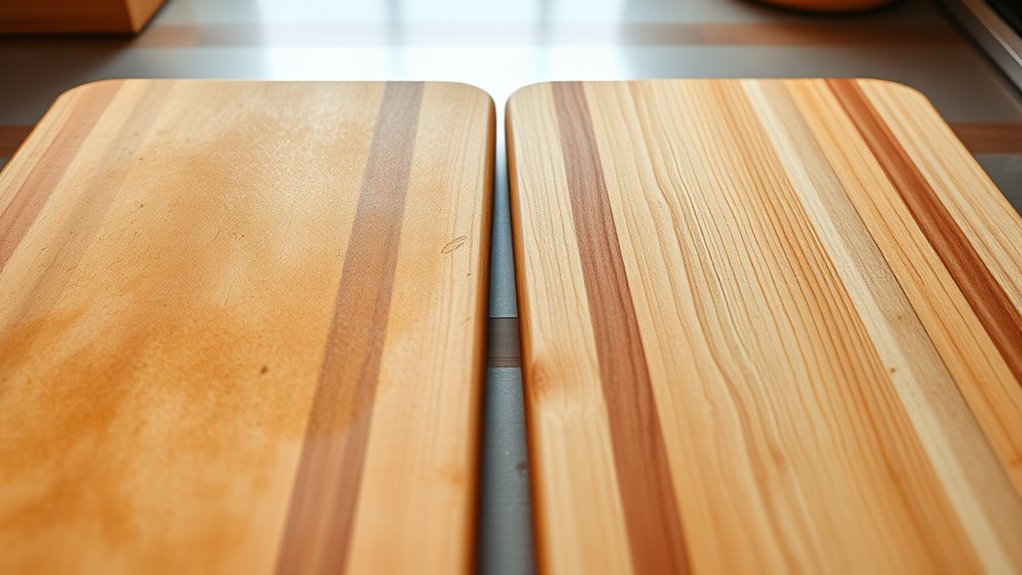
When choosing a cutting board, understanding whether to disinfect or deodorize it depends largely on the material. Different surfaces require different care to keep your kitchen safe and hygienic. Knowing how to properly maintain your cutting board helps prevent cross-contamination and extends its lifespan. If you’re handling raw meats, poultry, or seafood, disinfecting is essential to eliminate bacteria like Salmonella or Listeria. Conversely, if your board develops persistent odors from cutting strong-smelling foods like garlic or onions, deodorizing becomes necessary. Recognizing these needs allows you to implement the right hygienic practices.
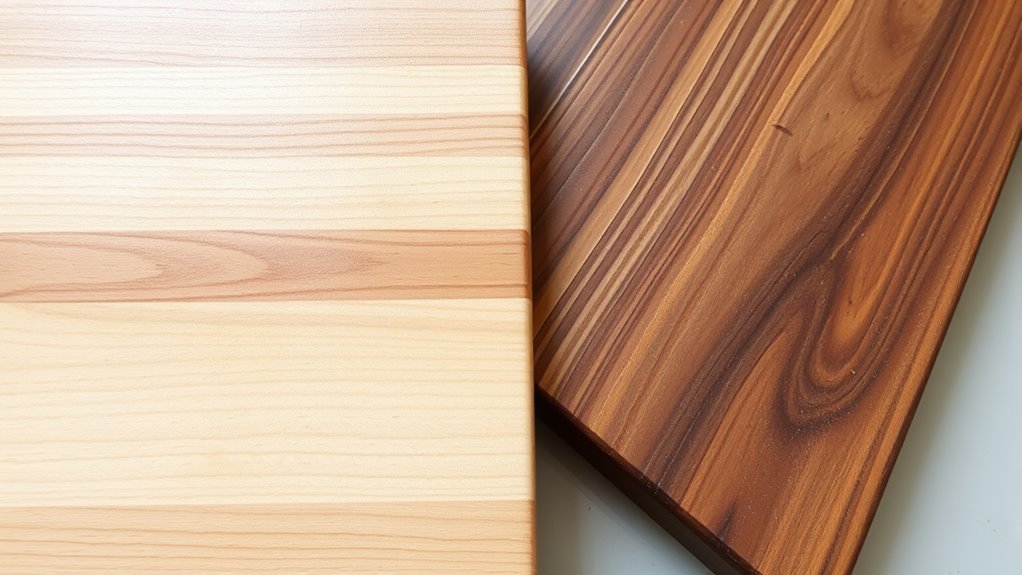
For wooden cutting boards, disinfection should be approached carefully because excessive moisture and harsh chemicals can damage the wood. You can disinfect by wiping the surface with a solution of diluted bleach (one teaspoon of bleach in a cup of water) or using white vinegar, which is a natural antimicrobial. After disinfecting, ensure you rinse thoroughly and dry immediately to prevent warping or mold growth. Regular maintenance tips include oiling your wooden board with food-grade mineral oil to keep it hydrated and resistant to bacteria. Avoid soaking wooden boards in water or putting them in the dishwasher, as this can cause cracking.
Plastic cutting boards are more resistant to moisture but can develop deep grooves that trap bacteria. To disinfect these, you can use a bleach solution or run them through a hot cycle in the dishwasher. After cleaning, always dry them thoroughly before storing. If odors persist, sprinkle baking soda over the surface, let it sit for a few minutes, then scrub with a brush or sponge, rinse, and dry. Regular maintenance tips include replacing plastic boards if they develop deep cuts or become heavily stained, as bacteria can hide in those grooves.
Silicone cutting boards are somewhat resistant to odors and bacteria, making them easier to maintain. To disinfect, wash with hot soapy water or run through the dishwasher. For deodorizing, baking soda works well; sprinkle it on, scrub gently, then rinse thoroughly. Silicone’s non-porous surface means it’s less prone to harboring bacteria, but routine cleaning is still essential for hygienic practices.
Ultimately, whether you’re disinfecting or deodorizing depends on the board’s material and usage. Proper maintenance tips—like regular cleaning, thorough drying, and timely replacements—are key to ensuring your cutting boards remain safe and odor-free. By understanding and applying these practices, you protect yourself and your family from foodborne illnesses while keeping your kitchen fresh.
As an affiliate, we earn on qualifying purchases.
Frequently Asked Questions
How Often Should I Disinfect My Cutting Board?
You should disinfect your cutting board after each use, especially when handling raw meat, poultry, or seafood. Regular cleaning frequency depends on the material considerations; wooden boards may require less frequent disinfecting, while plastic ones need more regular attention. Always wash with hot, soapy water and disinfect as needed to prevent cross-contamination. Proper maintenance keeps your board safe and extends its lifespan, ensuring a hygienic kitchen environment.
Can Deodorizing Remove Bacteria Effectively?
Deodorizing alone doesn’t effectively eliminate bacteria from your cutting board. While it helps with odor control, bacteria elimination requires proper cleaning and disinfecting. You should regularly scrub your board with hot, soapy water, and occasionally disinfect with a solution like diluted bleach or vinegar. This ensures bacteria are killed, odors are managed, and your cutting surface remains safe and hygienic for food prep.
Which Material Retains Odors the Longest?
Imagine you’re using a bamboo cutting board after chopping garlic; it often retains odors longer. The material’s porosity plays a big role in odor retention, and bamboo, being quite porous, traps smells more than plastic or glass. So, if you’re concerned about lingering odors, choose non-porous materials like glass or high-quality plastic. Porous materials like bamboo or wood tend to retain odors the longest, making them less ideal for multi-use kitchen tasks.
Are Natural Disinfectants Safe for All Board Types?
Natural disinfectants are generally safe for all board types, but you should consider chemical safety and environmental impact. They often contain ingredients like vinegar or lemon juice that are less harsh and eco-friendly. However, always check labels and avoid misuse, especially if you have food allergies or sensitivities. Using natural options helps reduce chemical exposure and minimizes environmental harm, making your cleaning routine safer for you and the planet.
How Do I Prevent Cross-Contamination Between Uses?
To prevent cross-contamination, you should practice proper cutting board hygiene. Always wash your boards thoroughly with hot, soapy water after each use, especially when switching between raw meats and vegetables. Use separate boards for different food types, or sanitize them regularly with vinegar or a disinfectant. Additionally, air-dry your boards completely to prevent bacteria growth. These steps help you maintain safe food handling and avoid cross-contamination.
plastic cutting board disinfectant
As an affiliate, we earn on qualifying purchases.
As an affiliate, we earn on qualifying purchases.
Conclusion
You might think disinfecting and deodorizing are the same, but they serve different purposes. Disinfecting kills germs, while deodorizing tackles lingering smells. The truth is, some materials like bamboo naturally resist odors, reducing the need for frequent deodorizing. So, next time you choose a cutting board, consider its material’s properties—you might find it naturally easier to keep fresh and clean without extra effort. It’s all about understanding what your board truly needs.
silicone cutting board dishwasher safe
As an affiliate, we earn on qualifying purchases.
As an affiliate, we earn on qualifying purchases.
baking soda for cutting board deodorizing
As an affiliate, we earn on qualifying purchases.
As an affiliate, we earn on qualifying purchases.
Fall Picks
fall essentials
As an affiliate, we earn on qualifying purchases.