Even if your house looks and smells clean, hidden dust in corners, vents, behind furniture, and under appliances can still make your indoor air feel stuffy and less fresh. These invisible dust zones trap dirt, allergens, and mold that regular cleaning often misses. If you want a truly clean and healthy home, you need to target those hard-to-reach spots with the right tools and strategies. Keep going to discover how to effectively eliminate these sneaky dust traps.
Key Takeaways
- Hidden dust in unreachable areas like vents and behind furniture can cause lingering odors despite visible cleanliness.
- Regular cleaning of concealed spots with tools like microfiber cloths and HEPA vacuums is essential for fresh indoor air.
- Dust buildup in overlooked zones releases allergens and stale smells, making the home feel unclean even after surface cleaning.
- Poor ventilation and infrequent filter changes allow dust to accumulate in hidden areas, affecting overall home freshness.
- Consistent inspection and deep cleaning of hidden dust zones prevent dust from circulating and improve indoor air quality.

Shark Upright Vacuum Cleaner | Navigator Lift-Away Deluxe | Pet Hair, Carpet & Hard Floor Cleaning | Upholstery & Crevice Tool | HEPA Filter | Swivel Steering | Large Dust Cup Capacity | Blue | NV360
- Powerful Multi-Surface Suction: Cleans carpets and hard floors effectively
- Lift-Away for Above-Floor Cleaning: Detachable pod for stairs and furniture
- Pet Hair Removal: Specialized tools for pet hair cleanup
As an affiliate, we earn on qualifying purchases.
As an affiliate, we earn on qualifying purchases.
What Are Hidden Dust Zones in Your Home?
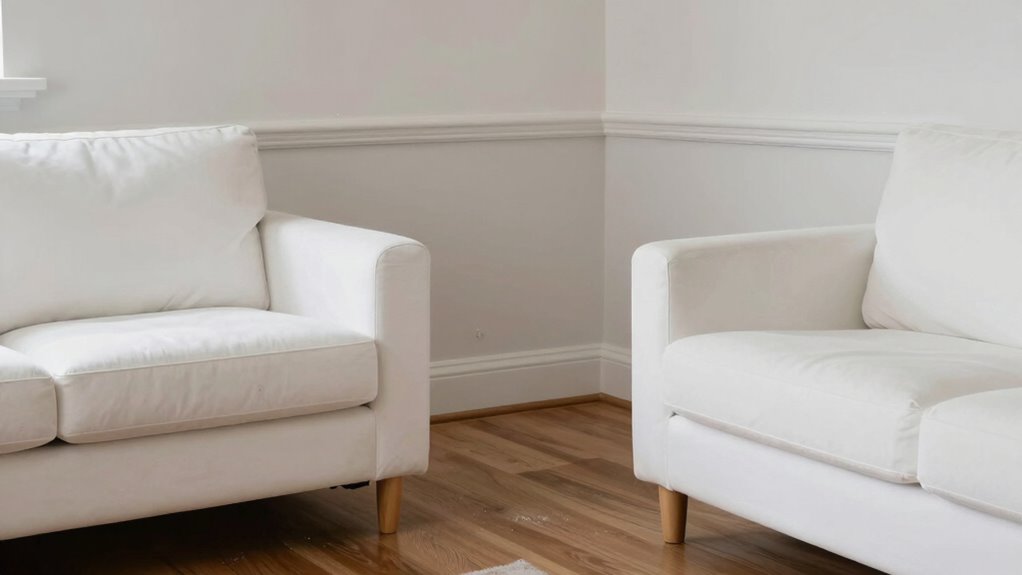
Many hidden dust zones in your home often go unnoticed because they’re out of sight and difficult to reach. These areas are prime spots for allergen buildup, which can negatively impact your air quality. You might not realize that behind your furniture, under appliances, or inside vents harbor dust particles that linger and accumulate over time. These concealed spots trap dust, mold, and other allergens, contributing to poor indoor air quality and potential health issues. Since they’re hard to access, they’re often overlooked during regular cleaning routines. Recognizing these hidden dust zones is essential for improving your home’s air quality and reducing allergen buildup. Regularly inspecting and cleaning these areas helps maintain a healthier living environment and keeps your home feeling fresher and cleaner. Incorporating natural filtration systems in your cleanup routine can also help reduce airborne allergens and improve overall indoor air quality. Additionally, understanding dust accumulation patterns can guide more effective cleaning strategies to target these unseen spots, especially in areas prone to airborne allergen buildup. Being aware of regional flavor influences can even inform how you approach seasonal or regional dust challenges, making your cleaning efforts more effective. Paying attention to air circulation can further prevent dust from settling in these hard-to-reach zones and improve overall air freshness.

3 Pcs Fan Cleaning Brush Bendable Cobweb Duster – Microfiber Head, Washable – Ideal for Ceiling Fan Blades, Air Vents, Curtains, Cars – Reusable Dust Remover
- Set Includes: 3 bendable microfiber dusters
- Efficient Cleaning: Removes dust from various surfaces
- Reusable & Washable: Long-lasting plastic design
As an affiliate, we earn on qualifying purchases.
As an affiliate, we earn on qualifying purchases.
Where Does Dust Like to Hide?

Dust loves to hide behind your furniture, where it’s easy to forget about. It also gathers inside air vents, quietly circulating and settling over time. Don’t forget how deeply carpets can trap dust, hiding it from plain sight. Proper cleaning tools like vacuums with HEPA filters can help remove airborne particles more effectively. Regular maintenance of your HVAC system can also reduce dust buildup in these hidden dust zones, improving indoor air quality. Additionally, using air purifiers can help capture tiny dust particles that often go unnoticed. Investing in specialized filters can further enhance the removal of dust from these less obvious areas, making your home truly cleaner. Understanding dust accumulation can help you develop better cleaning strategies to keep your environment healthier.
Hidden Behind Furniture
Even when your home looks tidy, dust often sneaks into hidden spots behind furniture. These areas are classic dust trap zones because they’re hard to reach and rarely cleaned thoroughly. Furniture clearance is key—pulling furniture away from the wall allows you to access these hidden spots. Behind sofas, beds, and cabinets, dust accumulates quickly, especially in corners and along baseboards. Over time, this buildup can circulate dust into the air, impacting indoor air quality. Regularly moving furniture and vacuuming behind it helps reduce dust trap areas. Use a damp cloth or an extendable duster to reach those tight spots. Staying proactive about cleaning behind furniture ensures you’re tackling those invisible dust zones, leaving your home genuinely cleaner and fresher. Additionally, understanding environmental considerations helps you adopt sustainable cleaning habits that protect indoor air quality. Being mindful of indoor air quality and choosing eco-friendly cleaning products can further minimize dust and chemical pollutants in your living space. Incorporating effective cleaning techniques can maximize your efforts and keep these hidden zones dust-free.
Inside Air Vents
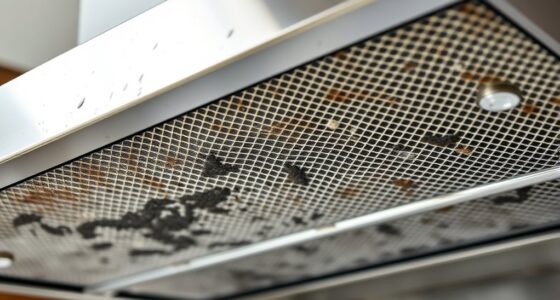
Have you ever wondered where dust hides inside your air vents? Dust tends to settle in the nooks and crannies of vent louvers and within duct corners, making air vent maintenance essential. These areas often escape regular cleaning, allowing dust accumulation patterns to develop over time. Poor airflow or infrequent filter changes can cause dust to cling to surfaces and circulate throughout your home. When you turn on your HVAC system, these hidden dust pockets can release allergens and particles into the air, making your house smell “clean” but still harboring unseen dirt. Regularly inspecting and cleaning your air vents helps prevent dust buildup and improves indoor air quality. Keep in mind, neglected vents are a major invisible dust zone that can compromise your home’s freshness. Additionally, proper ventilation and timely filter replacements are crucial in reducing dust accumulation and maintaining a healthier indoor environment. Understanding air filtration systems can further enhance your efforts to minimize dust in your home. Using visual and auditory cues during cleaning routines can also make the process more effective and thorough. Incorporating routine cleaning schedules can help ensure dust does not accumulate unnoticed over time. Recognizing where dust tends to settle, such as in hard-to-reach areas, can help target cleaning efforts more effectively.
Deep Inside Carpets
Deep inside carpets, dust finds cozy hiding spots that are hard to see and even harder to clean thoroughly. These dense fibers trap dirt, pet dander, and other allergens, creating perfect environments for dust mite infestations. Over time, allergen buildup worsens, making your home less healthy than it appears. Standard vacuuming often misses deep-seated dust, allowing it to settle and multiply. This hidden dust can trigger allergies, asthma, and other respiratory issues, even if your carpet looks clean on the surface. To truly eliminate these invisible dust zones, you need deep cleaning methods like steam cleaning or professional extraction. Regular maintenance is key to reducing dust mite populations and allergen buildup, ensuring your carpets aren’t just clean to the eye but also healthier for your indoor air quality. Using advanced cleaning equipment can help reach these deep dust zones more effectively, especially when combined with thorough carpet maintenance practices.
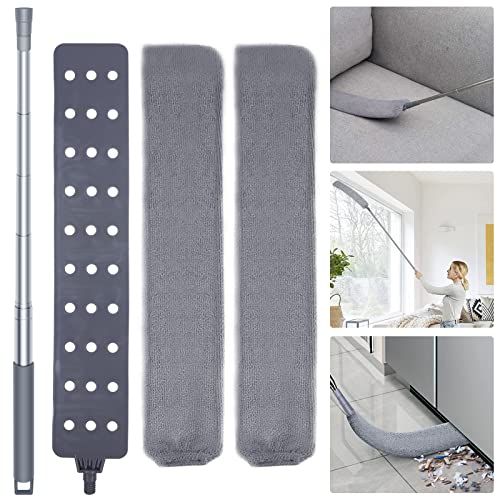
Retractable Gap Dust Cleaner Cleaning Tools with 2 Microfiber Dusting Cloths Long Handle 60inches Washable and Retractable Duster Brush for Cleaning Under Appliances Furniture Couch Fridge
- Electrostatically Charged Dusting: Attracts dust and hair easily with split fiber tech
- Adjustable Telescoping Handle: Extends from 31 to 61 inches for versatile cleaning
- Lightweight and Durable: Made with sturdy stainless steel and microfiber for easy use
As an affiliate, we earn on qualifying purchases.
As an affiliate, we earn on qualifying purchases.
How Does Hidden Dust Make Your Home Feel Less Fresh?

Hidden dust particles often go unnoticed, but they can considerably impact how fresh your home feels. Dust accumulation in overlooked areas builds up gradually, creating a layer of unseen grime. This buildup isn’t just dirty-looking; it also contributes to allergen buildup, which can cause sneezing, congestion, and irritation. Even if your space looks clean, these tiny particles can linger in corners, vents, and behind furniture, making the air feel stale and less inviting. The presence of dust affects your home’s overall freshness, giving it a dull, unclean vibe despite your efforts to tidy up. Additionally, proper ventilation can help reduce dust accumulation and improve indoor air quality. Regular cleaning of hidden dust zones is essential to maintain a truly fresh environment. Incorporating effective cleaning routines targeting these areas ensures comprehensive dust removal. Since dust can settle in places with poor airflow, paying attention to ventilation systems can significantly help in reducing unseen dust. Ultimately, invisible dust zones undermine your cleaning efforts and diminish the feeling of a truly fresh, healthy home environment.

Air Purifiers for Home with High Efficiency Filter Up to 1076 Ft² for Pet Hair, Odors, Pollen, Smoke, Compact Air Cleaner with 3 Speeds, Timer, Aroma Quiet 360°Intake Filter, White
- Effortless Operation: Intuitive control panel for easy use
- Compact Yet Powerful: Covers 1076 sq ft in small size
- 360° Airflow & HEPA Filter: Surround intake with 99.97% pollutant removal
As an affiliate, we earn on qualifying purchases.
As an affiliate, we earn on qualifying purchases.
How Can You Clean Those Hard-to-Reach Dust Spots?
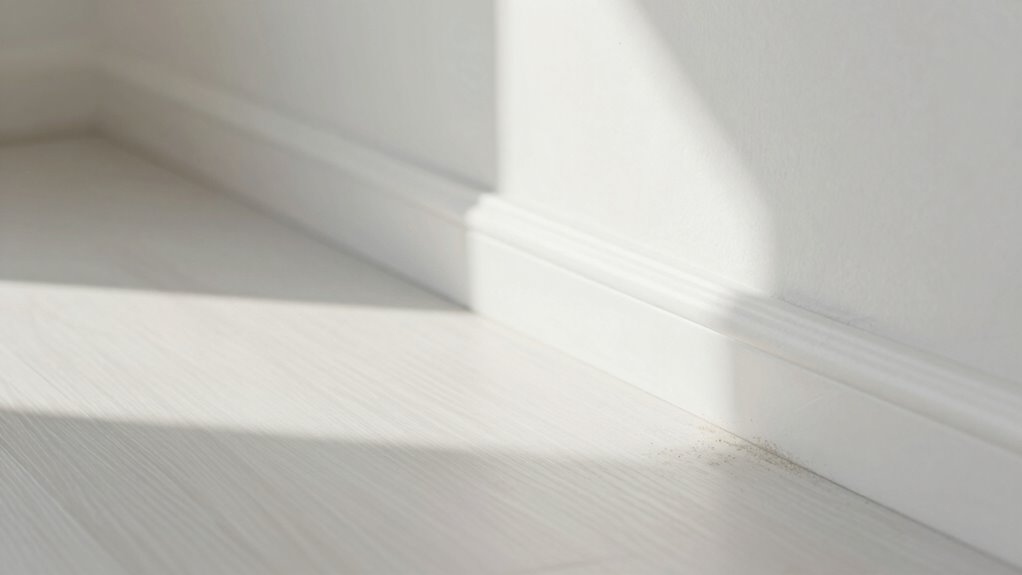
Reaching those tricky spots behind furniture, along ceiling vents, and in tight corners can be challenging but is essential for maintaining a truly clean home. Dust often accumulates in these hidden areas, contributing to airborne allergens and surface buildup. To tackle them effectively, consider these steps:
Reaching behind furniture and vents is key to a truly clean home, reducing allergens and dust buildup.
- Use an extendable duster or microfiber cloth to reach high or tight spots.
- Vacuum with a crevice tool to remove embedded dust from corners and vents.
- Employ a damp cloth to trap dust without spreading it around.
- Regularly clean behind furniture to prevent surface buildup and allergen circulation.
What Are the Best Tools for Removing Hidden Dust?
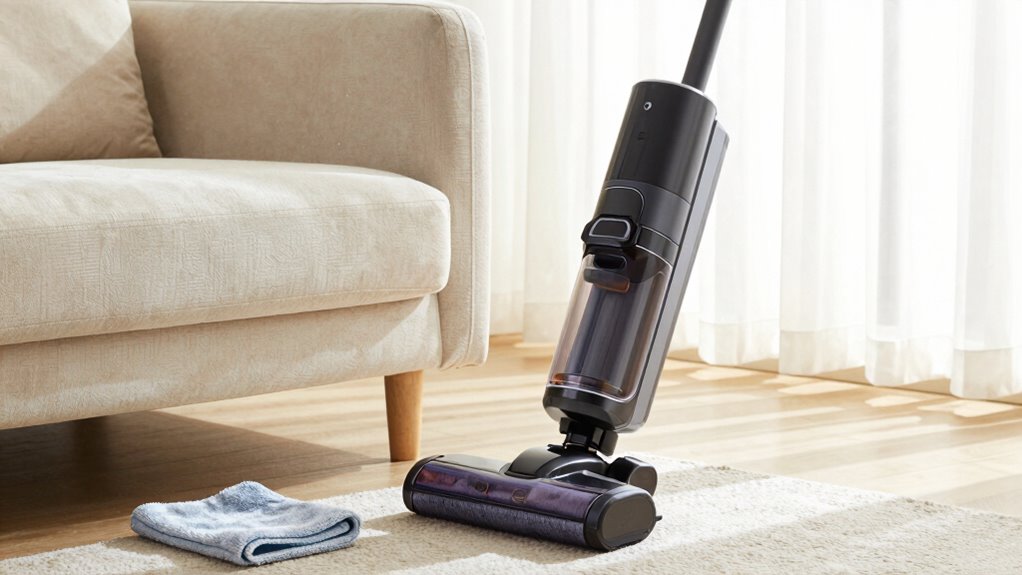
To effectively remove hidden dust, you’ll want to use the right tools. Microfiber dusting cloths, HEPA vacuum cleaners, and air purification devices are all excellent options. Each tool targets dust in different areas, helping you keep your home cleaner and healthier.
Microfiber Dusting Cloths
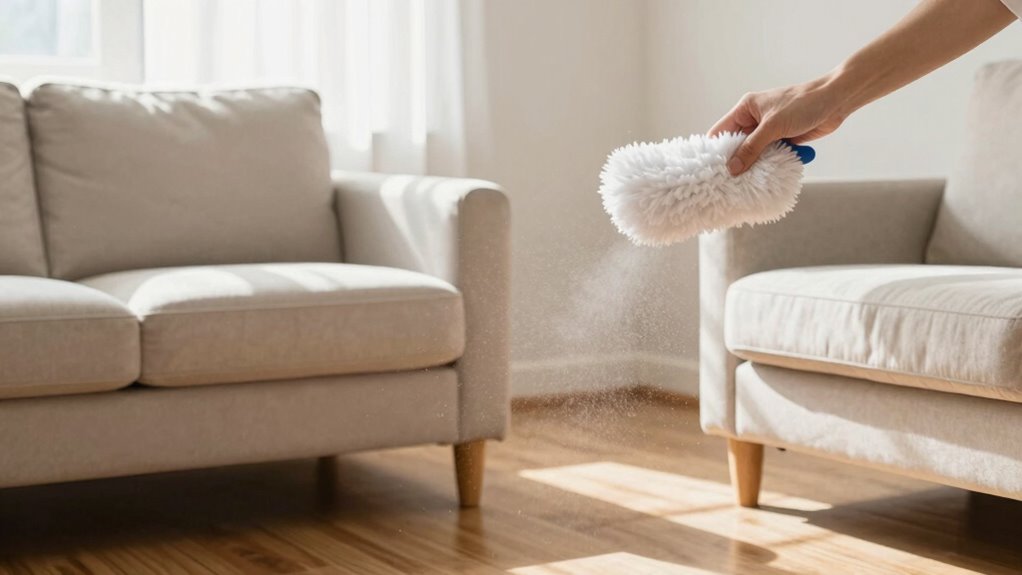
Microfiber dusting cloths are among the most effective tools for removing dust from hard-to-reach areas and delicate surfaces. They trap tiny particles, reducing airborne household allergens and supporting dust mite prevention. Using microfiber cloths can improve your home’s overall cleanliness and reduce invisible dust zones.
Here are four reasons why they’re essential:
- Electrostatic Attraction: Microfiber attracts and holds dust, dirt, and allergens better than traditional cloths.
- Gentle on Surfaces: They clean without scratching sensitive materials.
- Reusable and Eco-Friendly: Washable and durable, saving money and reducing waste.
- Versatile Use: Perfect for furniture, vents, blinds, and electronics.
Incorporate microfiber cloths into your cleaning routine to target those hidden dust zones and breathe easier.
HEPA Vacuum Cleaners
HEPA vacuum cleaners are among the most effective tools for removing hidden dust from your home. Their high-efficiency filters trap tiny particles, including dust mites and allergens that can linger in carpets, upholstery, and hidden corners. Using a HEPA vacuum regularly helps prevent dust buildup that air purifiers alone might miss. While air purifiers improve air quality, they don’t eliminate settled dust or dust mites lurking in your home’s surfaces. Combining a HEPA vacuum with air purifiers creates a thorough defense against invisible dust zones. Focus on vacuuming carpets, rugs, and furniture thoroughly, especially in areas prone to dust accumulation. This approach reduces the risk of dust mite proliferation and improves overall indoor air quality, making your home genuinely cleaner and healthier.
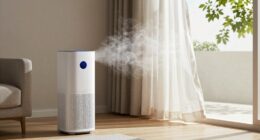
Air Purification Devices
Have you considered how air purification devices can help eliminate hidden dust that often escapes vacuuming? These tools improve air quality by targeting dust accumulation in hard-to-reach spots. Here are four key benefits:
- Capture airborne particles—removing allergens and dust mites.
- Reduce lingering odors caused by trapped dust and pollutants.
- Improve overall air quality in rooms prone to dust buildup.
- Enhance your cleaning routine by addressing dust zones vacuuming misses.
Choosing the right air purifier, especially one with HEPA filters, ensures you trap microscopic dust particles effectively. This way, your home feels fresher, and invisible dust zones become less of a concern, making it easier to maintain a truly clean environment.
How Often Should You Check and Clean Hidden Dust Areas?
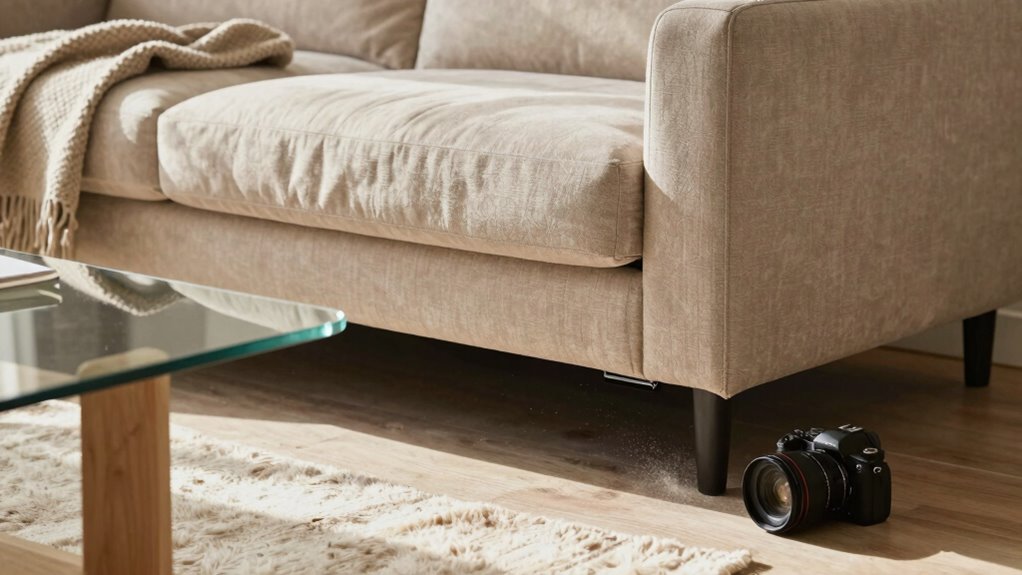
Since dust can quietly accumulate in hidden areas, it’s important to check these spots regularly to prevent buildup. Regular inspections help maintain good air quality and prevent dust from becoming airborne or settling into surfaces. Focus on areas like behind appliances, under furniture, inside vents, and on top of ceiling fans. How often you check depends on your household’s activity level, but a good rule of thumb is once a month. If you have pets or allergy sufferers, consider inspecting every two weeks. Cleaning these zones promptly prevents dust accumulation from impacting indoor air quality. Keeping on top of these hidden spots minimizes dust buildup and ensures your home stays fresher and healthier. Consistent maintenance is key to controlling the unseen dust.
How Can You Tell If Dust Still Lingers After Cleaning?
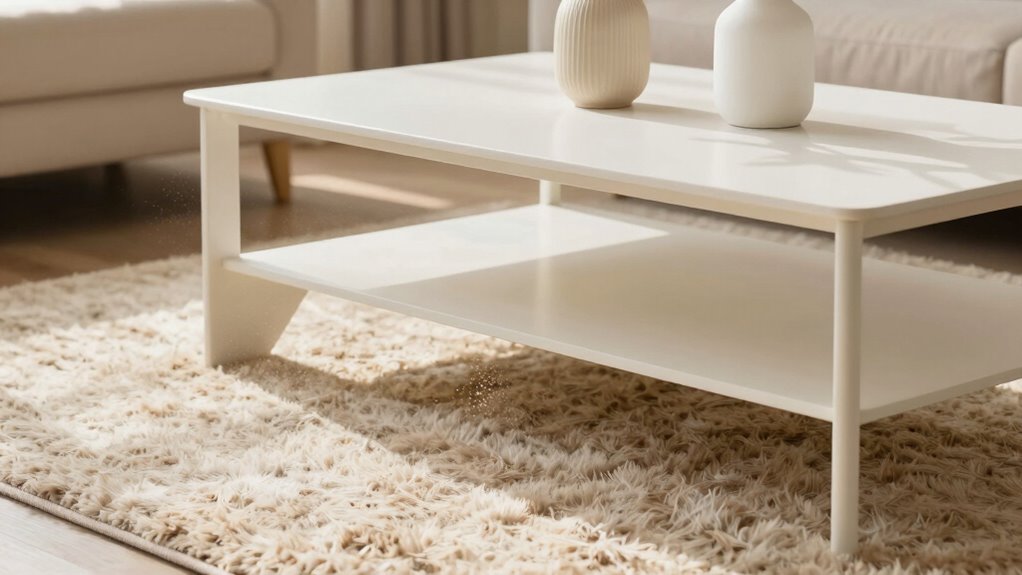
Even after cleaning hidden dust spots, you might wonder if any residue remains. To tell if dust still lingers, look for signs like airborne allergens or surface residues that cause lingering odors. Here’s how to check:
Even after cleaning hidden dust spots, look for airborne allergens and surface residues to ensure complete removal.
- Persistent Dust Particles: If dust clouds appear when you dust or sweep, dust isn’t fully gone.
- Unexplained Allergic Reactions: Sneezing or itchy eyes may mean airborne allergens remain.
- Visible Surface Residues: A sticky or dusty film on furniture suggests incomplete cleaning.
- Lingering Dusty Odors: A musty smell or dust scent indicates dust buildup.
These clues help you identify if your efforts are enough or if deeper cleaning is needed to eliminate invisible dust zones.
Tips to Keep Your Home Truly Dust-Free and Fresh
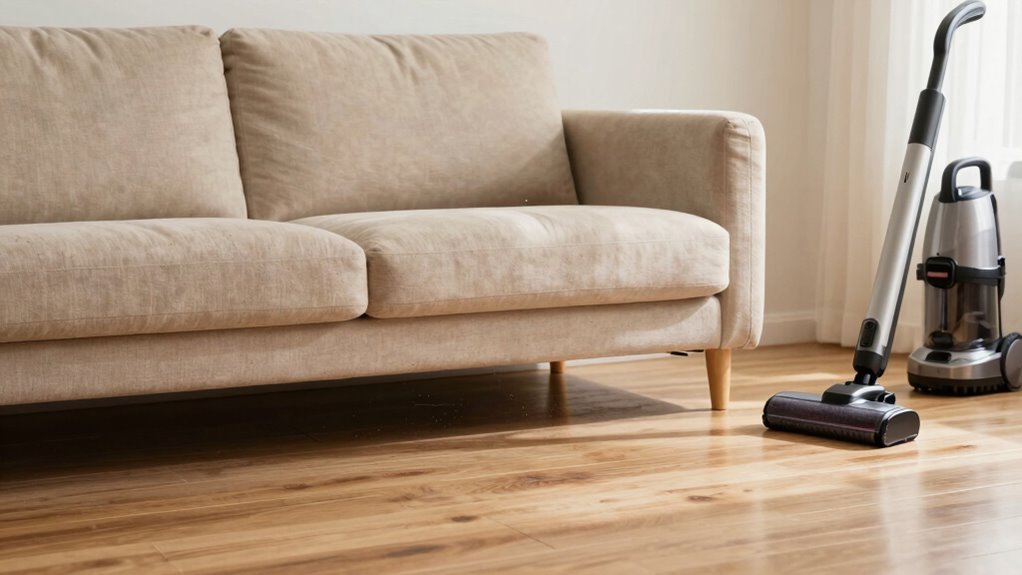
To keep your home truly dust-free and fresh, establishing a consistent cleaning routine is essential. Regular dusting and vacuuming help improve air quality and reduce allergy triggers. Focus on high-traffic areas and hidden spots like behind furniture and under appliances, where dust tends to accumulate. Use a damp cloth or microfiber duster to trap dust instead of just spreading it around. Air purifiers with HEPA filters also help remove airborne dust particles, enhancing indoor air quality. Keep bedding, curtains, and soft furnishings clean and wash them frequently, as they harbor dust and allergens. Ensuring good ventilation by opening windows or using exhaust fans reduces indoor humidity, discouraging dust buildup. These habits create a healthier, fresher environment and minimize allergy symptoms.
Frequently Asked Questions
Can Hidden Dust Cause Allergies or Respiratory Issues?
Hidden dust can definitely cause allergies or respiratory issues. Dust mites thrive in allergen buildup, especially in hidden dust zones like upholstery, carpets, and vents. When you breathe in these tiny particles, they trigger allergy symptoms or worsen asthma. Regular cleaning, vacuuming with a HEPA filter, and dusting hard surfaces help eliminate these invisible dust zones, reducing allergen buildup and protecting your respiratory health.
Are There Specific Cleaning Products Effective Against Invisible Dust?
Yes, certain cleaning products can effectively target invisible dust. Electrostatic cleaners are great because they attract and trap dust particles, making cleaning more efficient. You can also try natural solutions like vinegar or baking soda, which safely break down dust without harsh chemicals. Using these options regularly helps eliminate hidden dust, improving your home’s air quality and ensuring that your house truly feels clean.
How Does Dust Accumulation Vary Between Different Home Types?
You can’t judge a home’s cleanliness just by sight; dust accumulation varies widely based on home type. For instance, homes with carpeted flooring tend to trap more dust, while those with hardwood or tile floors might have less. An efficient HVAC system helps filter dust, but if your home has pets or high foot traffic, dust buildup accelerates. Remember, as the saying goes, “A house is only as clean as its hidden corners.”
Do Air Purifiers Eliminate Hidden Dust Effectively?
Air purifiers can help reduce dust, but they don’t eliminate all hidden dust effectively due to air purifier limitations. They mainly target larger dust particles, but tiny particles—like allergens and pollutants—can slip through filters. To improve dust removal, choose an air purifier with a HEPA filter capable of capturing small dust particles, and use it consistently. Remember, no device can remove 100% of invisible dust, so regular cleaning remains essential.
What Are Signs That Dust Is Affecting Indoor Air Quality?
A stitch in time saves nine, so watch for signs dust is affecting your indoor air quality. You might notice allergy symptoms like sneezing or coughing, or feel stuffy in your home. Dust mite triggers and airborne particles can cause these issues even if your house seems clean. Persistent odors, dust settling on surfaces, or unexplained respiratory discomfort indicate dust is impacting your air. Keep an eye out to improve your home’s air quality.
Conclusion
So, next time your home smells “fresh” but secretly harbors invisible dust zones, remember—you’re not imagining things. With a little effort and the right tools, you can actually banish those sneaky dust spots. Or, you know, keep pretending everything’s spotless and just enjoy the illusion. After all, who needs a truly clean house when you can just chase that sweet smell of “clean” while dust quietly chills in the shadows? Your choice!