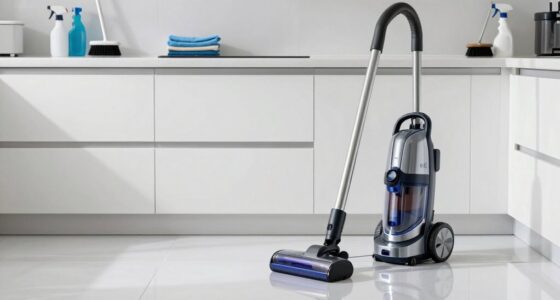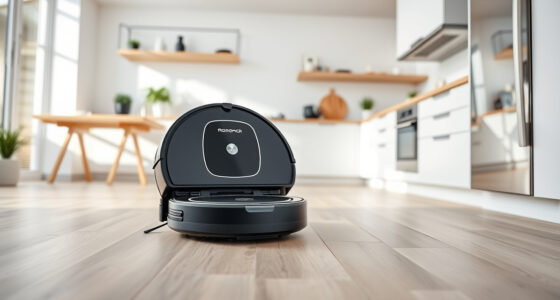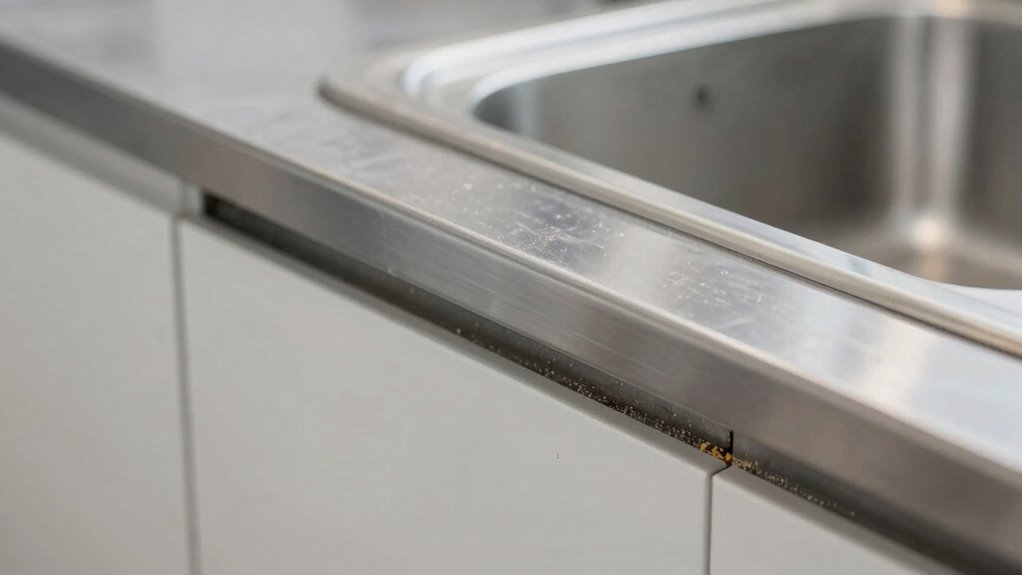

Many homes miss hidden dust zones like behind and beneath furniture, under beds, and behind couches, where dust and pet fur settle undisturbed. Ceiling fan blades and fixtures also trap dust that gets thrown into the air when fans turn on. Don’t forget air vents and vent covers, which continuously circulate trapped particles. Fabric surfaces like curtains and upholstery easily collect dust and allergens too. Keep track of these spots to improve your cleanup routine and enjoy a healthier home environment.

Get cleaning gear delivered free — and shop member deals
- Fast, free delivery on millions of items
- Access to Prime Big Deal Days deals on October 6–7
- Prime Video, Amazon Music and more included
Key Takeaways
- Dust often hides behind and beneath furniture, such as beds, couches, and appliances, where regular cleaning may overlook it.
- Ceiling fan blades and fixtures accumulate dust that can be released into the air during operation.
- Air vent covers and HVAC registers trap dust particles that circulate throughout the home if not cleaned regularly.
- Fabric surfaces like curtains, upholstery, and mattresses gather dust, pet fur, and allergens over time.
- Corners, deep crevices, and behind furniture are commonly missed during routine cleaning, harboring hidden dust and allergens.
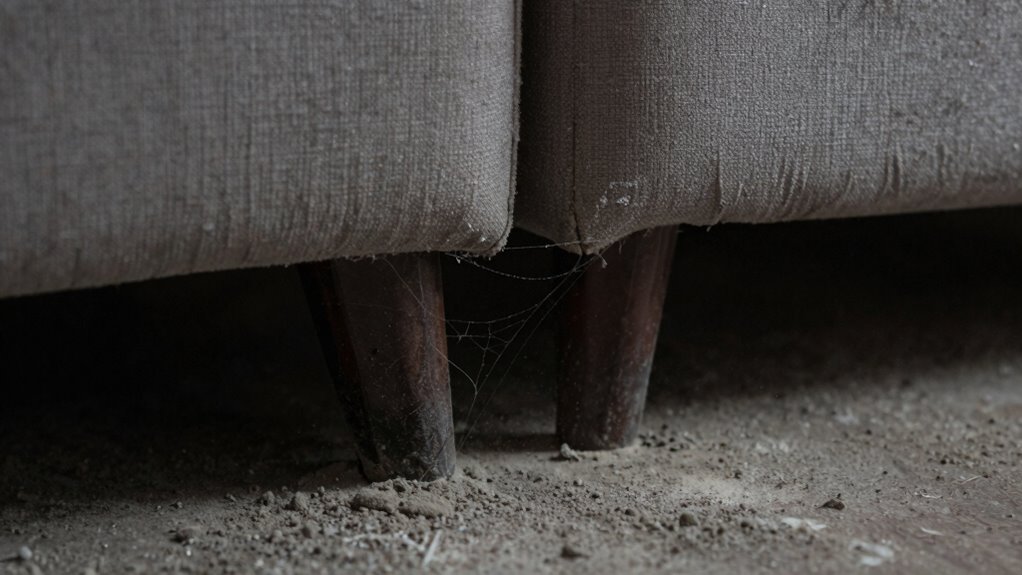
Have you ever wondered where dust hides in your home despite regular cleaning? It’s a common question because, no matter how often you vacuum or wipe down surfaces, dust tends to reappear in unexpected places. One major reason is that dust isn’t just surface-level debris; it’s made up of tiny particles that settle into the hidden corners and overlooked spots of your home. These are the areas most people miss during their weekly cleaning routines, and they’re often responsible for lingering airborne allergens and hidden pet fur that can worsen allergies or asthma symptoms.
Dust hides in overlooked corners and behind furniture, fueling allergens and pet fur buildup despite regular cleaning efforts.
You might be surprised to learn that dust accumulates behind and beneath furniture, especially in hard-to-reach spots like under beds, behind couches, and beneath appliances. These hidden zones serve as perfect dust hiding spots, providing a safe space for particles to settle undisturbed. These hidden zones serve as perfect hiding spots for dust particles, which can be stirred up when you move furniture or clean superficially. Airborne allergens, such as pollen, mold spores, and pet dander, settle into these areas and get released back into the air when disturbed. This continuous cycle makes it hard to keep indoor air truly clean, even if you’re diligent about surface cleaning. If you have pets, their fur also finds its way into these overlooked spots, embedding in deep crevices and along baseboards, waiting to be kicked up during regular vacuuming or sweeping.
Ceilings and ceiling fans are another common dust trap that many forget to clean regularly. Dust settles on blades and fixtures, often unnoticed until it turns into a thick layer. When fans spin, they throw tiny dust particles into the air, adding to the airborne allergens that circulate throughout your home. Vent covers and air vents are also hotspots for dust accumulation, trapping particles that then get released into your indoor environment each time your HVAC system runs. Using proper ventilation techniques can help reduce dust buildup and improve overall air quality. Regular vent cleaning is essential to prevent these areas from becoming significant sources of dust. Additionally, employing air purifiers can help capture airborne particles that are stirred up during cleaning or fan operation. Incorporating HEPA filters into your filtration system can further reduce the presence of microscopic dust particles.
Even your curtains, upholstery, and mattress aren’t immune. These fabric surfaces collect dust, pet fur, and allergens over time, often hidden from view until a deep clean or wash is performed. Regular dusting and vacuuming can’t reach every nook and cranny, which means these areas remain a significant source of dust buildup. If you disregard them, airborne allergens and hidden pet fur persist, contributing to indoor pollution and affecting your health. To truly tackle dust, you need to look beyond obvious surfaces and incorporate strategies that target these hidden zones. Only then can you guarantee your home feels cleaner and healthier, free of those sneaky dust particles lurking just out of sight.
As an affiliate, we earn on qualifying purchases.
Frequently Asked Questions
How Often Should I Clean Hidden Dust Zones?
You should clean hidden dust zones at least once a week to prevent excessive dust accumulation. Regular cleaning helps keep these often-overlooked areas, like behind furniture, vents, and under appliances, free of dust. If you have pets or allergies, consider increasing the frequency to twice a week. Staying consistent with your cleaning schedule guarantees a healthier environment and reduces the buildup of dust in those tricky spots.
Are Hidden Dust Zones Harmful to Health?
Hidden dust zones can be incredibly harmful to your health, as airborne particles and mold growth thrive there. These tiny particles can trigger allergies, asthma, and respiratory issues, sometimes causing health problems worse than a tornado ripping through your lungs. Regularly cleaning these unseen areas reduces dust buildup, preventing mold and airborne particles from affecting your well-being. Don’t underestimate the danger lurking in those hidden corners—your health depends on it.
What Tools Are Best for Cleaning Hidden Dust Areas?
You should use microfiber cloths and air purifiers to clean hidden dust areas effectively. Microfiber cloths trap dust particles on surfaces like vents, behind appliances, and in tight corners, making dust removal easier. Air purifiers help improve air quality by capturing airborne dust and allergens, especially in spaces where dust tends to settle unnoticed. Combining these tools guarantees you tackle dust in those hidden zones, creating a healthier home environment.
Can Hidden Dust Cause Allergies or Asthma?
Hidden dust can indeed trigger allergies or worsen asthma, acting like a sneaky villain in your home. These dust bunnies harbor allergy triggers—like pet dander and mold—that degrade your air quality. When you ignore those unseen corners, you’re inviting respiratory issues. Regularly cleaning those hidden spots keeps allergens at bay, improves your air quality, and helps you breathe easier. Don’t let dust monsters take over your home—fight back with thorough cleaning.
Do Hidden Dust Zones Vary by Home Type?
Yes, hidden dust zones vary by home type. For instance, furniture gaps in larger homes or tightly packed furniture can trap more dust, while ceiling corners in multi-story houses tend to accumulate dust that’s hard to reach. Your home’s layout influences where dust hides, making it essential to pay attention to these spots during cleaning. Regularly checking furniture gaps and ceiling corners helps keep dust levels low and improves indoor air quality.
As an affiliate, we earn on qualifying purchases.
Conclusion
Remember, those hidden dust zones in your home can harbor allergens and dirt you often overlook. Did you know that the average home accumulates up to 40 pounds of dust annually? By paying attention to overlooked spots like ceiling fans, behind furniture, and air vents, you can drastically improve your indoor air quality. Stay proactive with your cleaning routine, and you’ll breathe easier knowing you’ve tackled those sneaky dust traps most homes miss every week.
As an affiliate, we earn on qualifying purchases.
As an affiliate, we earn on qualifying purchases.
Fall Picks
fall essentials
As an affiliate, we earn on qualifying purchases.