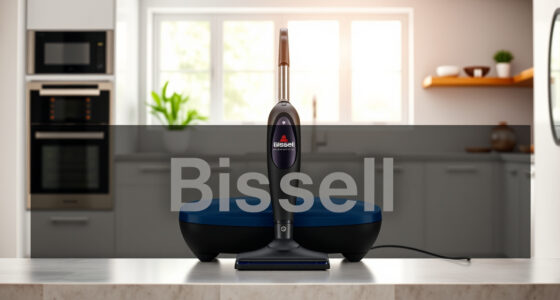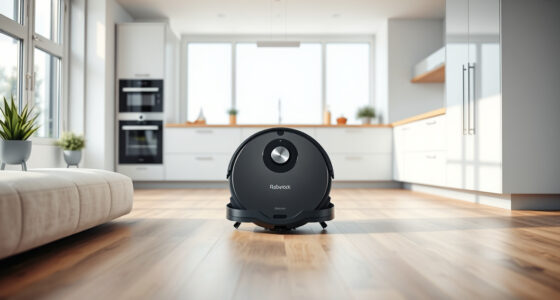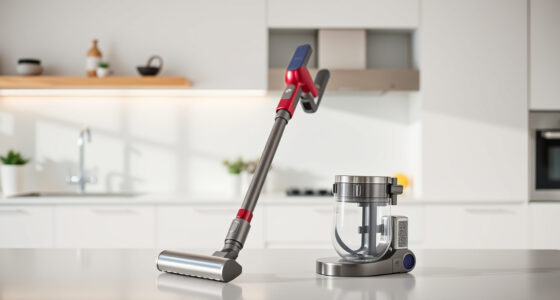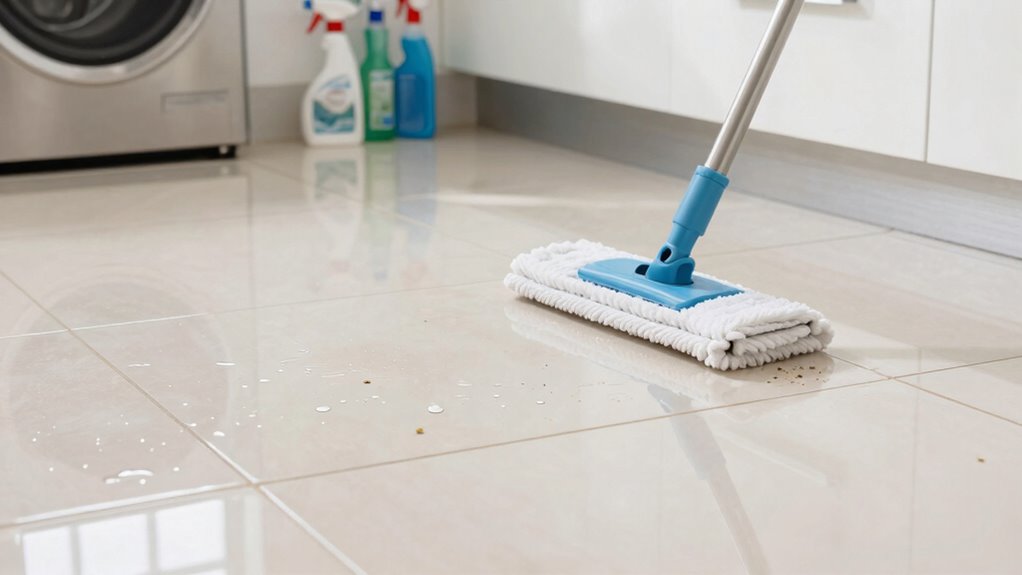

To keep your kitchen floors cleaner between deep cleans, you should establish daily habits like sweeping with a microfiber dust mop or soft broom to remove crumbs and dirt before they settle. Dab spills immediately with microfiber cloths and use eco-friendly solutions when mopping lightly. Creating a designated cleanup zone helps you access supplies quickly, making it easier to attend to messes promptly. Stay consistent with these simple routines, and you’ll discover more tips to maintain spotless floors.

Get cleaning gear delivered free with Prime
- Fast, free delivery on millions of items
- Prime Video, Amazon Music and more included
- Member-only deals all year
Key Takeaways
- Sweep daily with a microfiber dust mop to remove loose dirt and prevent buildup.
- Wipe spills immediately with a microfiber cloth to avoid stains and sticky spots.
- Use eco-friendly cleaning solutions for quick spot cleaning to maintain a fresh surface.
- Create a designated cleanup zone with natural sprays and tools for easy access and quick response.
- Incorporate routine habits to promptly address messes and reduce the need for deep cleaning.
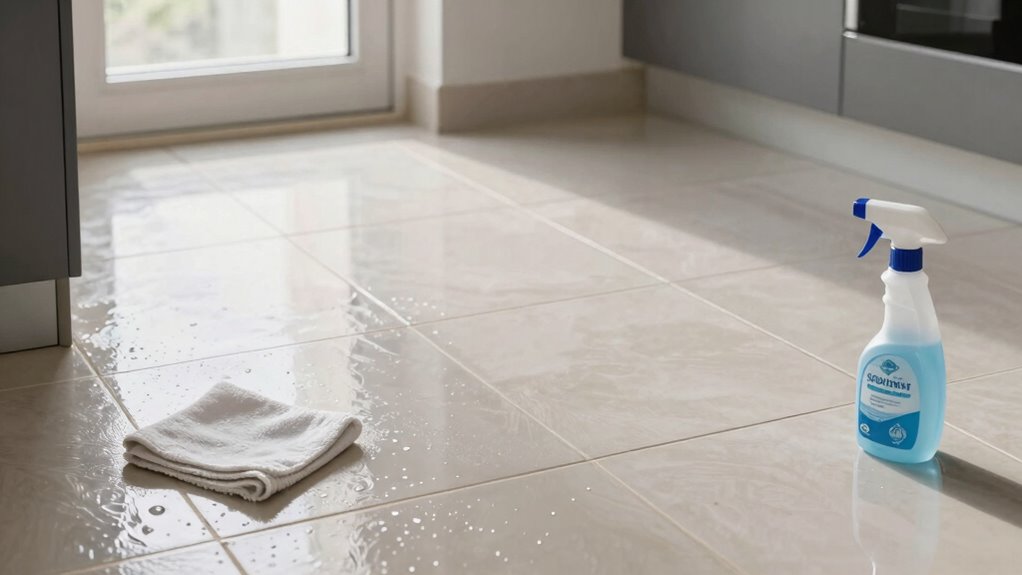
Keeping your kitchen floors clean can seem like a constant battle, especially with spills, crumbs, and tracked-in dirt. To make this task easier and more sustainable, consider using eco friendly cleaning solutions. These products avoid harsh chemicals that can harm your family or the environment, yet still effectively remove dirt and grime. For everyday maintenance, mix a few drops of natural dish soap with warm water or use vinegar diluted with water to tackle sticky spots and everyday messes. These simple, environmentally friendly options not only keep your floors sparkling but also reduce your household’s chemical footprint.
Use eco friendly cleaning solutions like natural dish soap or diluted vinegar for safe, effective floor maintenance.
In addition to regular cleaning, protecting your floor’s surface plays an essential role in maintaining cleanliness. Applying DIY floor sealants can be a game changer. These homemade sealants, often made from natural ingredients like beeswax or mineral oil, help create a protective barrier on your floors. This barrier prevents dirt, stains, and moisture from penetrating the surface, making future cleaning easier and more less frequent. You can easily find or make these DIY floor sealants, which are inexpensive and safe for your home. Regularly applying a coat helps your floors resist scratches and spills, keeping them looking fresh longer and reducing the need for deep cleans. Using natural ingredients for DIY sealants ensures compatibility with various flooring types and enhances their durability. Incorporating protective barriers into your routine can further improve your floors’ resistance to everyday wear and tear.
To keep your floors consistently clean between deep cleaning sessions, establish a daily sweeping routine. Use a soft broom or microfiber dust mop to pick up crumbs and dirt before they settle into the surface. This simple step prevents buildup that can become stubborn over time. Follow up with spot cleaning as needed—dabbing up spills immediately with a microfiber cloth helps avoid stains and sticky residues. When mopping, stick to your eco friendly cleaning solutions to guarantee you’re maintaining a healthy home environment. Avoid overly wet mops, as excess water can damage some flooring types, especially wood or laminate. Additionally, understanding the importance of floor surface protection can help you choose the best cleaning methods and products for your specific flooring. Incorporating a proper cleaning routine can further extend the lifespan of your floors and keep them looking their best.
It’s also helpful to create a designated cleanup zone in your kitchen, where you keep cleaning supplies handy. Stock it with natural sprays, microfiber cloths, and brushes so you can quickly attend to messes before they spread. Incorporating these habits into your routine reduces the need for intensive deep cleans and keeps your floors looking great day after day. Regular maintenance, combined with eco friendly products and DIY floor sealants, ensures your kitchen floors stay cleaner longer without the use of harsh chemicals. With a little effort, you’ll find your kitchen remains inviting, safe, and easy to maintain, making your daily routines smoother and more eco-conscious.
microfiber dust mop for kitchen floors
As an affiliate, we earn on qualifying purchases.
As an affiliate, we earn on qualifying purchases.
Frequently Asked Questions
How Often Should I Sweep My Kitchen Floor?
You should sweep your kitchen floor at least once a day to maintain cleanliness. Regular sweeping helps remove dust, crumbs, and debris, preventing buildup. Use effective dusting techniques, like a microfiber broom or vacuum suited for hard floors, to pick up fine particles. Consistent cleaning frequency keeps your kitchen looking tidy and reduces the need for deep cleans, making your routine more manageable and your space healthier.
Can I Use Vinegar on All Floor Types?
Imagine pouring vinegar on your floor and watching it sparkle—that’s tempting, but you need to take into account vinegar safety and floor compatibility. Vinegar works well on tile and laminate, but avoid it on hardwood or stone, as it can damage the finish. Always test a small area first. When used correctly, vinegar is a natural, effective cleaner, but knowing your floor type ensures you don’t cause unintended harm.
What’s the Best Mat to Prevent Dirt?
The best mat to prevent dirt is one made of durable, absorbent material like rubber or coir, which acts as an effective dirt trap. Rubber mats are easy to clean and resist moisture, while coir mats naturally trap dirt and debris. Place the mat at your kitchen entrance to catch dirt before it spreads, and regularly shake or wash it to maintain its dirt-trapping effectiveness.
How Do I Remove Stubborn Stains?
Stubborn stains can seem like they’re here to stay, but you can conquer them with effective stain removal techniques. Start by applying a cleaning solution tailored to your floor’s material—like a mix of baking soda and water for tile or a specialized cleaner for wood. Let it sit, then scrub gently with a brush or cloth. Persist, and you’ll have your floor looking spotless again, brighter than ever!
Are Steam Mops Safe for All Floors?
Steam mops are safe for many floors when used properly, but you should check your floor’s material first. For sealed floors, steam mop safety is generally good, as the sealant provides extra protection. However, avoid using steam mops on unsealed wood or laminate, as excess moisture can damage them. Always follow manufacturer instructions and consider applying a floor sealant if you’re unsure, to prolong your floors’ lifespan.
eco-friendly floor cleaning solutions
As an affiliate, we earn on qualifying purchases.
As an affiliate, we earn on qualifying purchases.
Conclusion
Keeping your kitchen floors cleaner between deep cleans is easier than you think. Regular sweeping and spot mopping prevent dirt buildup, making your deep cleaning sessions less intimidating. Did you know that neglecting routine cleaning can lead to bacteria levels that are 30% higher? By sticking to simple daily habits, you’ll maintain a healthier, more inviting space. Consistency is key—your kitchen will stay fresher and safer with just a few mindful touches each day.
natural DIY floor sealant beeswax
As an affiliate, we earn on qualifying purchases.
As an affiliate, we earn on qualifying purchases.
microfiber cleaning cloths for spills
As an affiliate, we earn on qualifying purchases.
As an affiliate, we earn on qualifying purchases.
Columbus Day / Indigenous Peoples' Day Picks
long weekend sales
As an affiliate, we earn on qualifying purchases.