Using your oven’s self-cleaning function might save time, but it can be costly and risky. High temperatures release harmful fumes and smoke, which can threaten your health and damage your appliance or cabinets if not ventilated properly. It also increases energy bills and accelerates wear on internal parts, potentially leading to expensive repairs. If you want to understand how to avoid these pitfalls and keep your kitchen safe and budget-friendly, there’s more you should know.

Get cleaning gear delivered free — and shop member deals
- Fast, free delivery on millions of items
- Access to Prime Big Deal Days deals on October 6–7
- Prime Video, Amazon Music and more included
Key Takeaways
- Self-cleaning cycles consume high energy, increasing utility bills over time.
- The intense heat can damage oven components and surrounding cabinetry, leading to costly repairs.
- Fumes released during cleaning pose health risks, especially without proper ventilation.
- Repeated use accelerates wear and tear, potentially causing early appliance failure.
- Manual cleaning methods are safer and more economical, avoiding high-temperature damage and health hazards.

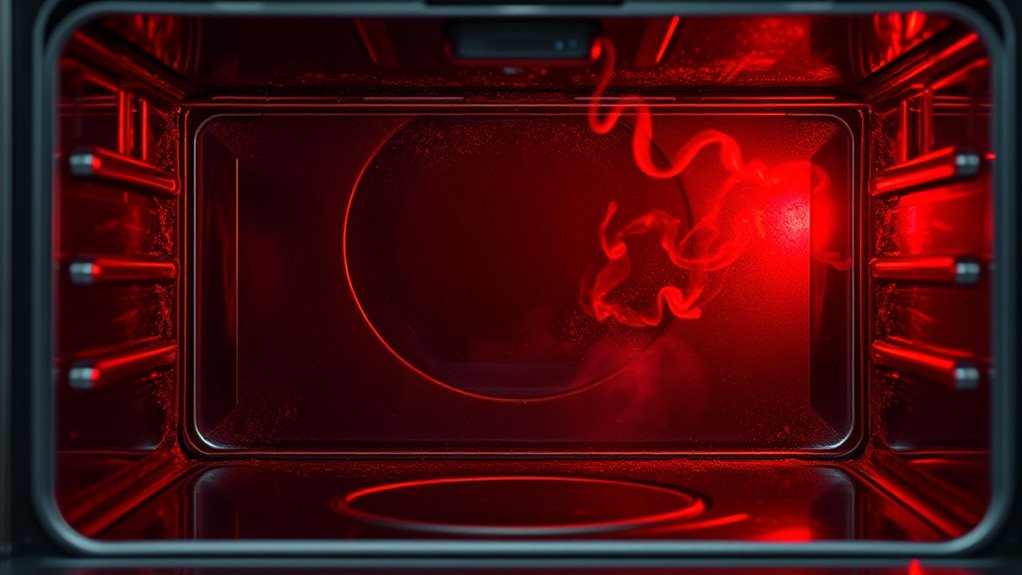
Have you ever wondered how modern ovens make cleanup so much easier? Many ovens now come equipped with self-cleaning functions, promising a quick way to handle stubborn grease and food spills. But before you rely on this feature, it’s vital to consider the potential drawbacks, especially regarding cleaning safety and cost considerations. While the convenience is tempting, self-cleaning cycles can pose risks if not used properly. The high temperatures involved—sometimes exceeding 900°F—can release fumes or smoke that might be harmful if your kitchen isn’t well-ventilated. People with respiratory issues, young children, or pets should be particularly cautious, as exposure to these fumes could cause health problems. Additionally, the intense heat can sometimes damage oven components or surrounding cabinetry if the appliance isn’t maintained correctly. You might think the process is straightforward, but improper use or malfunctioning parts can turn the self-cleaning cycle into a safety hazard, making it less of a convenience and more of a risk. Moreover, some models incorporate remote monitoring technology, which can help you supervise the cleaning process and ensure safety.
When it comes to cost considerations, the expenses tied to self-cleaning ovens often extend beyond just the initial purchase price. These features typically come at a premium, increasing the overall cost of the appliance. More importantly, the self-cleaning process can lead to higher energy bills because the cycle consumes a significant amount of electricity or gas. Over time, repeated use of the self-clean function may also cause wear and tear on the oven’s internal components, potentially leading to costly repairs or early replacement. If you’re trying to keep your household budget in check, you might find that relying solely on manual cleaning methods—like scrubbing with non-abrasive cleaners—can be more economical and just as effective when done regularly. Plus, manual cleaning doesn’t involve the high heat that can damage the oven or pose safety risks, making it a safer, more cost-effective choice in the long run.
Ultimately, while the self-cleaning feature might seem like a smart, time-saving solution, it’s vital to weigh its safety implications and financial impact. You need to ask yourself whether the convenience justifies the potential health hazards and the added costs of repairs or higher energy consumption. Sometimes, sticking to traditional cleaning routines can save you money and keep your home safer. If you decide to use the self-cleaning function, always follow the manufacturer’s instructions carefully, ensure proper ventilation, and be aware of the risks involved. Being informed helps you make the best decision for your household’s safety and budget, rather than blindly relying on a feature that might seem like a good deal at first glance but could end up costing you more in the long run.
As an affiliate, we earn on qualifying purchases.
Frequently Asked Questions
How Often Should I Use the Self-Cleaning Feature?
You should use the oven’s self-cleaning feature sparingly, ideally once every 3 to 6 months, depending on your cooking habits. Regular oven maintenance includes wiping down spills and crumbs after each use and avoiding heavy buildup. Overusing the self-cleaning cycle can damage your appliance, increasing repair costs. Stick to a proper cleaning frequency to keep your oven in good shape without risking costly repairs.
Are There Safer Alternatives to Oven Self-Cleaning?
Think you’re safe with alternatives? Think again. You can avoid chemical residues and save energy by opting for manual cleaning with baking soda and vinegar. Using a scrub brush and warm water, you control the mess without exposing yourself to harmful fumes or wasting electricity. These safer, eco-friendly methods keep your oven clean without the hidden risks that come with self-cleaning functions. Don’t risk it—clean smarter, not harder.
Can Self-Cleaning Damage My Oven’s Electronics?
Yes, self-cleaning can damage your oven’s electronics. The intense heat during the cycle creates cleaning hazards, including electronic damage, especially if your oven isn’t designed to handle it. You might risk damaging control boards or sensors. To avoid this, consider manual cleaning methods or professional services. These safer alternatives prevent costly repairs and keep your oven functioning properly without exposing it to the risks of self-cleaning cycles.
What Are the Environmental Impacts of Self-Cleaning Cycles?
Self-cleaning ovens can impact the environment through chemical emissions released during the cycle, which may contribute to air pollution. While eco-friendly cleaning options exist, the high heat used in self-cleaning can produce fumes containing potentially harmful substances. You might reduce this impact by opting for manual cleaning methods, which avoid emissions and are generally more environmentally friendly, helping to protect air quality and reduce chemical exposure.
Does Self-Cleaning Affect the Oven’s Lifespan?
Self-cleaning functions can be like a double-edged sword, potentially harming your oven’s durability. The intense heat may weaken components over time, leading to more frequent repairs, increasing your maintenance costs. While it seems convenient, relying on self-cleaning could shorten your oven’s lifespan. To protect your investment, consider manual cleaning methods and regular maintenance instead, ensuring your oven runs smoothly for years to come.
As an affiliate, we earn on qualifying purchases.
Conclusion
Think of the oven’s self-cleaning cycle as a powerful fire that promises to burn away your mess. But like a blaze that gets out of control, it can damage your oven and cost more than you bargained for. Instead of risking a costly inferno, it’s wiser to clean manually. Tackle those stubborn stains with care, and keep your kitchen safe—sometimes, the simplest method is the most reliable firebreak.
As an affiliate, we earn on qualifying purchases.
As an affiliate, we earn on qualifying purchases.
Fall Picks
fall essentials
As an affiliate, we earn on qualifying purchases.