To safely remove permanent marker from countertops, start by testing a small area with rubbing alcohol or a mixture of vinegar and water to make certain it won’t damage the surface. Gently dab the stain with a soft cloth, avoiding excessive rubbing. You can also make a baking soda paste and apply it in circular motions. If you want more tips on gentle, eco-friendly solutions, you’ll find plenty of helpful advice below.
Key Takeaways
- Test cleaning solutions like rubbing alcohol or vinegar on a hidden area before applying to avoid surface damage.
- Use gentle techniques such as soft cloths and circular motions to lift the marker without scratching the surface.
- Apply natural cleaners like baking soda paste or vinegar for effective, eco-friendly removal of permanent marker stains.
- Dampen a cotton ball or soft cloth with rubbing alcohol to gently dab and dissolve ink pigments.
- Patience and avoiding aggressive scrubbing are key to safely removing stains and maintaining countertop integrity.
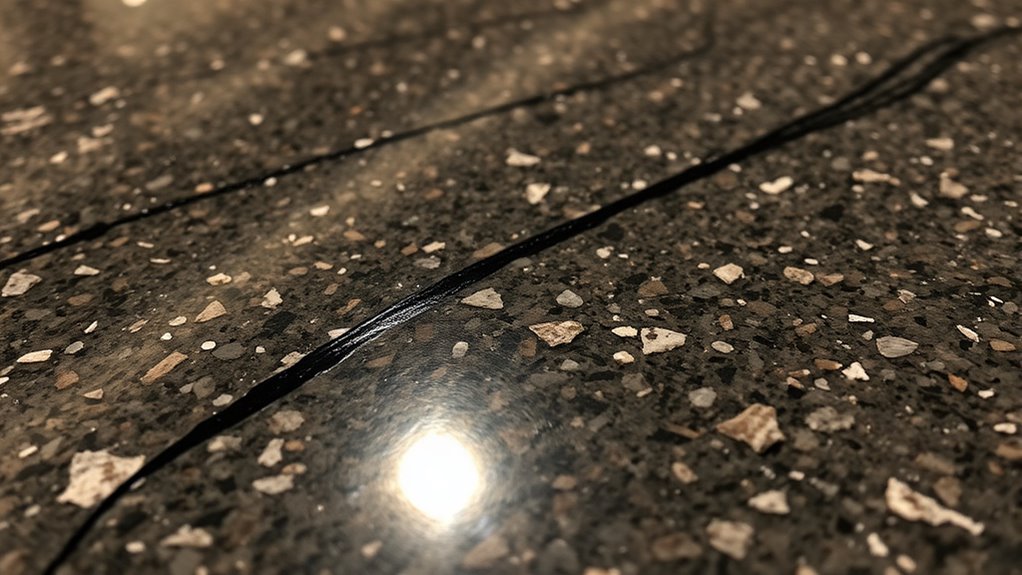
When dealing with surface damage, choosing fixes that are both effective and safe for the material is vital. If you’re faced with permanent marker on your counters, it’s tempting to reach for harsh chemicals, but eco friendly solutions and DIY cleaning methods can often do the trick without risking damage. These approaches are not only safer for your surfaces but also better for the environment, making them a smart choice for everyday fixes.
Start by testing natural cleaning methods before resorting to commercial products. One of the simplest DIY cleaning methods involves using rubbing alcohol or hand sanitizer. Dampen a soft cloth or cotton ball with a small amount of rubbing alcohol and gently dab at the marker stain. The alcohol breaks down the ink’s pigments, lifting it from the surface without causing harm. Always test this on a small, inconspicuous area first to guarantee it won’t discolor or damage your countertop. If the stain persists, repeat the process carefully, avoiding excessive rubbing which could scratch or erode delicate surfaces.
Test natural cleaners like rubbing alcohol first to safely remove marker stains from counters.
Another eco friendly solution is a mixture of baking soda and water. Create a paste, applying it directly to the mark with a damp cloth or sponge. Gently scrub in circular motions, then wipe clean with a damp cloth. Baking soda acts as a mild abrasive and natural cleaner, helping to lift the ink without harsh chemicals. For stubborn stains, you can let the paste sit for a few minutes before scrubbing. Afterward, rinse the surface thoroughly to remove any residue. These DIY cleaning methods are not only effective but also gentle enough for most countertop materials, including granite, quartz, and laminate.
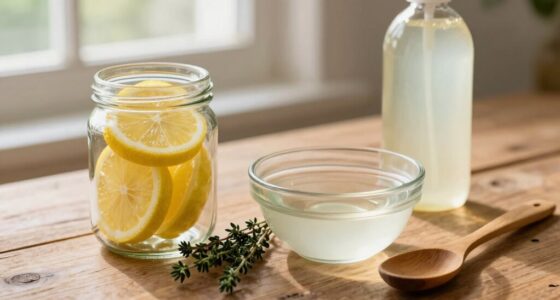
Vinegar can also be a helpful natural cleaner. Mix equal parts white vinegar and water in a spray bottle, then spray onto the stain. Let it sit for a few minutes, then wipe with a soft cloth. Vinegar’s acidity works to dissolve ink pigments, but like alcohol, it’s vital to test in an inconspicuous spot first. For more stubborn marks, combining vinegar with baking soda can boost cleaning power. Apply the baking soda paste, then spray vinegar over it; the bubbling action can help lift the stain more effectively.
Additionally, understanding the surface‑safe nature of the cleaning agents helps prevent damage to your counters. Throughout the process, patience is key. Avoid aggressive scrubbing, which can scratch or damage your counters. Using eco friendly solutions and DIY cleaning methods allows you to remove permanent marker stains safely and effectively, preserving your surfaces and supporting eco-conscious practices. With a little care and the right natural ingredients, you can keep your counters looking pristine without resorting to harsh chemicals.

Motsenbocker's Lift Off 40901 Pen, Ink & Marker Stain Remover – Removes Nail Polish, Makeup, and Dyes From Walls, Countertops, Tile, and More, Pre-Wash Laundry Treatment – 22 fl oz
- Category: Janitorial & Cleaning Supplies
- Made in: United States
- Manufacturer: Motsenbocker's Lift Off
As an affiliate, we earn on qualifying purchases.
As an affiliate, we earn on qualifying purchases.
Frequently Asked Questions
Will Rubbing Alcohol Damage My Countertop Surface?
Rubbing alcohol is generally safe for many countertop materials, but you should check your surface‑safety first. For example, it works well on laminate and sealed surfaces, but it can damage natural stone like marble or granite. Always test a small, inconspicuous area first to guarantee rubbing alcohol safety. If your countertop is made of sensitive material, consider using a gentler, surface‑safe marker remover to avoid damage.
Are Natural Remedies Effective for Removing Permanent Marker?
Like a gentle breeze clearing a cloudy sky, natural remedies can be surprisingly effective for removing permanent marker. You should test their effectiveness first on a small, hidden area to avoid damage. Common options like baking soda, vinegar, or lemon juice act as gentle abrasives or acids, breaking down ink molecules. While not always guaranteed, these methods often work well and are worth trying before resorting to harsher chemicals.
Can I Use Bleach to Remove Marker Stains?
You can try bleach to remove marker stains, but be cautious about its effectiveness and potential damage to your counters. Bleach can work on certain surfaces but may cause discoloration or damage, especially on delicate materials. Natural remedies like rubbing alcohol or baking soda are often safer and effective options. Always test a small area first, and use bleach sparingly to avoid harming your countertops.
How Long Should I Wait After Applying a Remover?
Imagine you’ve just applied a surface-safe remover to erase permanent marker from your countertop. You should wait about 5 to 10 minutes for maximum effectiveness and drying times. During this period, the remover works to break down the ink. Check the stain periodically—if it’s fading, you can gently wipe it away. Patience ensures the remover’s effectiveness, giving you the best chance for a clean, mark-free surface.
Is It Safe to Use Commercial Stain Removers on All Surfaces?
You shouldn’t use commercial stain removers on all surfaces without checking their countertop durability and stain resistance first. Some removers can damage delicate finishes or compromise the surface’s integrity. Always read the label and test a small, hidden area before applying. If your surface is sensitive or less stain-resistant, opt for gentler, surface-safe methods like baking soda paste or vinegar solutions to avoid costly repairs or damage.

BLUELAND Multi-surface Cleaner, Starter Set, Fresh Lemon Scent, Spray Bottle with 4 Refill Tablets, All-Purpose, Eco-Friendly Cleaning Supplies, 4 x 24 Fl oz
- Refillable, Plastic-Free Tablets: Safer for family and planet
- Easy to Use: Drop tablet into water to activate
- Space-Saving Packaging: 10x less storage space needed
As an affiliate, we earn on qualifying purchases.
As an affiliate, we earn on qualifying purchases.
Conclusion
Now that you know these surface-safe fixes, imagine the possibilities—no more stubborn marks, no damage, just a quick fix. But what if that sneaky permanent marker still manages to find its way back? Will your next trick be enough to outsmart it? Keep these secrets in your back pocket, and you’ll always stay one step ahead. The game’s not over yet—are you ready to master the art of permanent marker removal?

ForPro 99% Isopropyl Alcohol (IPA), 32 Fl Oz (960ml) – Pure & Unadulterated Concentrated Alcohol
- High Purity: 99% pure isopropyl alcohol
- Versatile Cleaning: Ideal for surface wiping
- Cooling & Cleansing: Dehydrates and disinfects surfaces
As an affiliate, we earn on qualifying purchases.
As an affiliate, we earn on qualifying purchases.
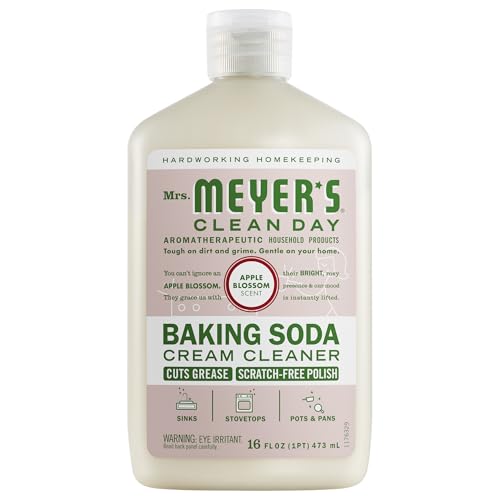
MRS. MEYER'S CLEAN DAY Baking Soda Cream Cleaner, Cuts Grease, Scratch-Free Polish, Apple Blossom, 16 Fl Oz, Pack of 1
- Effective Soap Scum Removal: Removes soap scum and grease buildup
- Powerful Cleaning Agent: Scrubs away grease, grime, and residue
- Fresh Apple Blossom Scent: Delicately sweet, garden-inspired fragrance
As an affiliate, we earn on qualifying purchases.
As an affiliate, we earn on qualifying purchases.