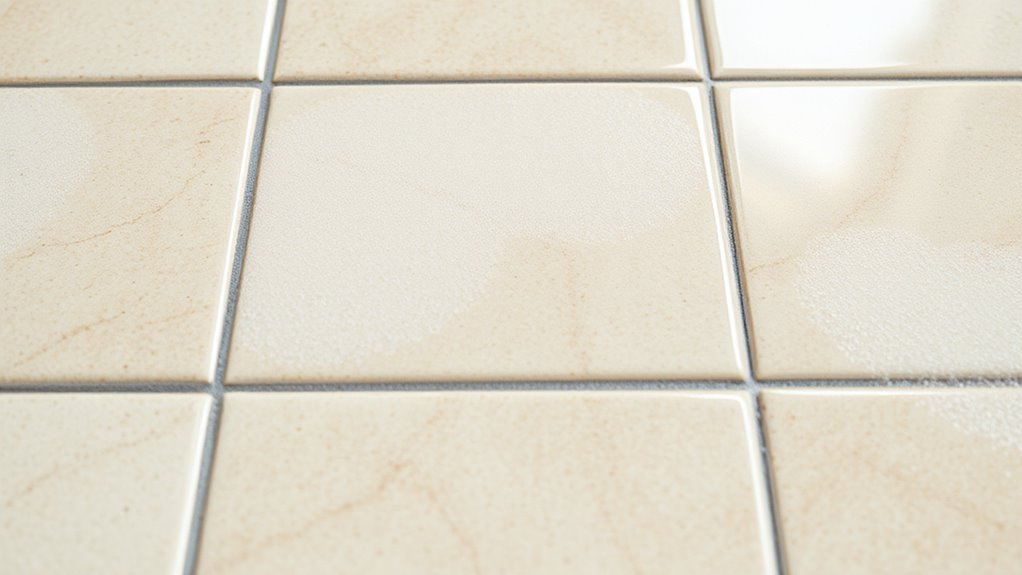

After installing new grout, you might notice a cloudy haze that dulls your tile’s appearance. To remove it safely, start with warm water and a pH-neutral cleaner, gently scrubbing with soft brushes or non-abrasive pads. For stubborn haze or epoxy stains, specialized grout haze removers can help, but be careful to avoid damaging your sealant or tiles. If you keep working at it, you’ll discover effective techniques that restore your surface’s shine and beauty.

Get cleaning gear delivered free — and shop member deals
- Fast, free delivery on millions of items
- Access to Prime Big Deal Days deals on October 6–7
- Prime Video, Amazon Music and more included
Key Takeaways
- Use warm water with a pH-neutral cleaner and gentle scrubbing to remove grout haze safely.
- Test cleaning solutions on small areas first to prevent damage or discoloration.
- For stubborn haze, apply specialized grout haze removers following manufacturer instructions carefully.
- Avoid harsh abrasives or excessive scrubbing to prevent scratching tiles or loosening grout.
- Reseal grout after cleaning to protect against future haze buildup and maintain a pristine appearance.
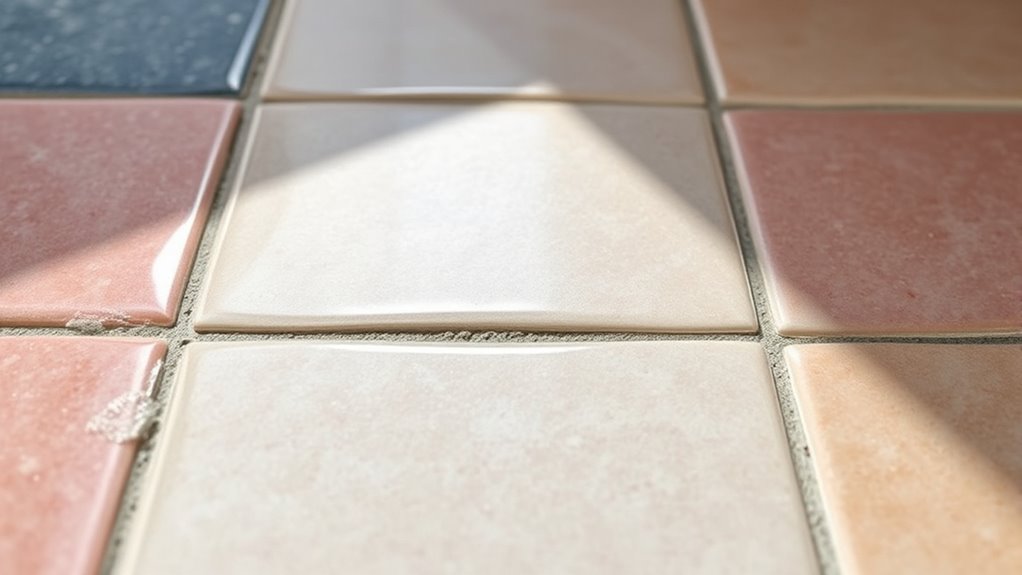
After completing a grout job, you might notice a cloudy haze lingering on the surface, but don’t worry—removing grout haze is straightforward if you know the right methods. This haze often appears as a dull film that sits atop your tiles, obscuring their natural shine. It’s usually caused by excess grout residue or improper cleaning during installation. One common mistake is rushing the cleaning process, which can leave behind a film that’s difficult to remove later. If you’ve recently dealt with epoxy stains or applied tile sealing, you might find that these substances complicate the haze removal process. Epoxy stains tend to be more stubborn, and sealers can sometimes trap residues, making the haze more noticeable.
To start, you want to guarantee that you’re using the appropriate cleaning agents to remove the haze without damaging your tiles or grout. A simple solution of warm water and a mild, pH-neutral cleaner often works well for regular grout haze. If the haze persists, a specialized grout haze remover can be effective. These products are formulated to break down the residual film without harming the tile surface or grout lines. When working with epoxy stains or sealed tiles, it’s vital to choose cleaners that won’t strip the sealant or cause discoloration. Always follow the manufacturer’s instructions and test the cleaner on a small, inconspicuous area first.
Use gentle, pH-neutral cleaners and test first to safely remove grout haze without damaging tiles or grout lines.
Using a soft-bristled scrub brush or a non-abrasive pad, gently work the cleaning solution into the surface. Avoid harsh scrubbing, as it can scratch tiles or loosen grout. For stubborn haze, you might need to repeat the process a couple of times. Patience is key—rushing can lead to incomplete removal or damage to your tiles. Once the haze is gone, it’s a good idea to reseal your grout if you notice any loss of protection. Proper tile sealing not only enhances the appearance but also protects against future stains and haze buildup. Recognizing the importance of proper tile sealing techniques can significantly reduce the likelihood of future haze issues.
In cases where epoxy stains have set deeply or sealers have trapped residues, you may need to use a more aggressive approach, such as a specialized epoxy or sealer remover. However, guarantee you follow safety guidelines and ventilate the area well. After successfully removing the haze, consider applying a fresh coat of tile sealer to maintain a pristine look and prevent future issues. Regular maintenance and prompt cleaning after installation can help you keep your tiles looking their best, free from haze and staining. Remember, understanding how to handle epoxy stains and proper tile sealing techniques makes the entire process easier and guarantees your beautiful tilework remains flawless.
As an affiliate, we earn on qualifying purchases.
Frequently Asked Questions
How Long Does Grout Haze Typically Last Before It Hardens?
Grout haze usually lasts about 24 to 72 hours before it hardens, depending on the drying time and curing period. During this time, avoid heavy traffic or water exposure, as it can prolong haze removal. You can gently clean the surface with a damp sponge or a grout haze remover after a day or two. Patience helps guarantee the haze fully cures, making it easier to clean off effectively.
Can I Use Household Products to Remove Grout Haze?
Don’t throw the baby out with the bathwater—household products can sometimes do the trick for grout haze, but use caution. DIY cleaning with vinegar or baking soda mixed with water can help, but commercial solutions are often more effective. Test a small area first to avoid damage. Remember, patience pays off; scrubbing gently and thoroughly is your best bet to restore your tile’s shine safely.
Is It Safe to Scrub Grout Haze With Abrasive Tools?
You shouldn’t scrub grout haze with abrasive tools because it can damage your tile surface. Instead, use a soft brush or a non-abrasive pad to gently remove the haze. Abrasive scrubs might scratch or dull your tiles, making the surface look worse. Always opt for gentle cleaning methods first, and if needed, use the right cleaning solutions to avoid harming your tiles while effectively removing grout haze.
Will Removing Grout Haze Damage the Tile Surface?
Removing grout haze with proper cleaning tools and gentle techniques won’t damage your tile surface. Many worry about chemical reactions causing harm, but using mild cleaners and non-abrasive tools minimizes risks. You can safely restore your tiles’ appearance by avoiding harsh scrubbing and opting for appropriate solutions. This approach guarantees you remove haze effectively without risking scratches or surface damage, keeping your tiles pristine and protected.
How Can I Prevent Grout Haze From Forming Initially?
To prevent grout haze from forming, you should apply a sealant after the grout cures, which helps repel water and reduce residue buildup. Also, make certain proper mixing of your grout to avoid excess grout on the surface. Clean the tiles promptly with a damp sponge during installation, and follow the manufacturer’s instructions for curing times. These steps help keep your tiles clean and haze-free from the start.
As an affiliate, we earn on qualifying purchases.
Conclusion
So, next time you see that stubborn grout haze, don’t assume it’s permanent. Some believe using a vinegar solution can help dissolve it naturally, but be cautious—excessive acidity might damage your grout. Instead, try a gentle, pH-neutral cleaner first. Remember, patience and proper technique often do the trick. By understanding your options and acting carefully, you can restore your tiles’ beauty without harm, proving that a little knowledge truly goes a long way.
As an affiliate, we earn on qualifying purchases.
As an affiliate, we earn on qualifying purchases.
Fall Picks
fall essentials
As an affiliate, we earn on qualifying purchases.