When it comes to steam cleaning, avoid steaming electronics, delicate fabrics like silk or leather, and wooden furniture, as moisture can cause damage or warping. Surfaces like painted walls or porous materials are also at risk of staining or peeling. Common mistakes include holding the steamer too close or ignoring manufacturer instructions. To prevent accidents, use safer cleaning methods for items that shouldn’t be steamed—continue below to learn more about what to avoid.
Key Takeaways
- Never steam electronics, smartphones, or laptops to prevent moisture damage and short circuits.
- Avoid steaming delicate fabrics like silk or leather to prevent discoloration and texture damage.
- Do not steam wooden furniture or surfaces to avoid warping, cracking, or peeling.
- Refrain from steaming items with adhesives or glued parts, as heat can loosen or fall apart.
- Always follow manufacturer guidelines; avoid steaming surfaces or items explicitly marked as unsuitable.
What Items Should You Never Steam in Your Home?
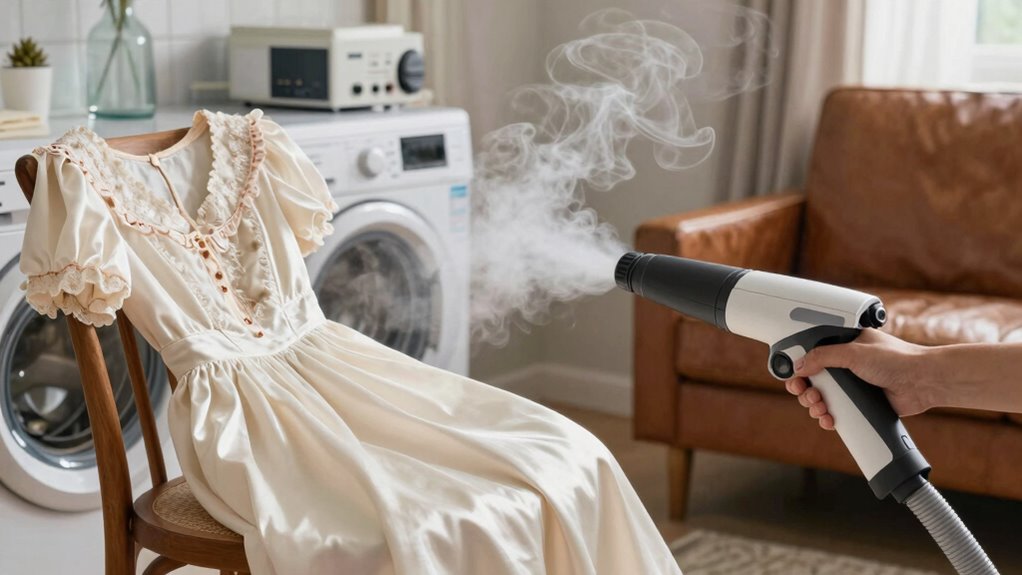
Have you ever wondered which items are unsafe to steam in your home? Practicing proper steam cleaning safety means knowing what not to expose to steam. Certain materials can be damaged by improper techniques or excessive heat. Avoid steaming electronics, as moisture can cause short circuits or permanent damage. Delicate fabrics like silk or leather shouldn’t be steamed either, since heat and moisture may ruin their texture or color. Wooden furniture and surfaces can warp or crack if exposed to steam improperly. Additionally, anything with adhesives, such as glued parts or stickers, can loosen or fall apart. Always check manufacturer guidelines before steaming, and never assume all items can handle steam. Recognizing what items to avoid helps prevent damage and keeps your cleaning safe and effective. Being aware of heat-sensitive materials and proper cleaning techniques, including identifying damage-prone objects, ensures you don’t unintentionally ruin your belongings during the cleaning process. It’s also important to consider the material composition of household items, as some materials are inherently more vulnerable to heat and moisture. Knowing material properties can help you determine whether steaming is appropriate for each item.
Household Surfaces and Materials That Can Be Damaged by Steam
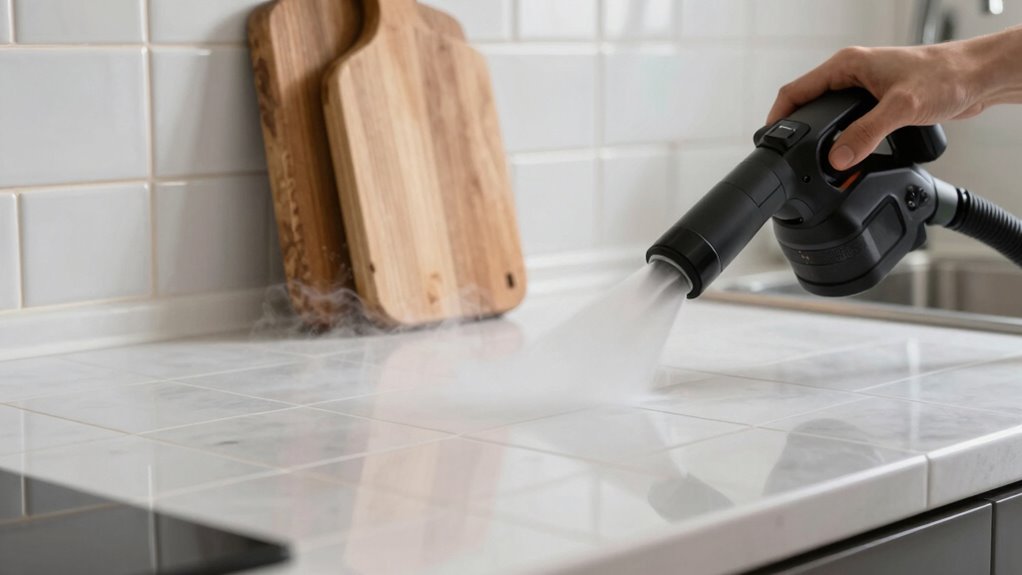
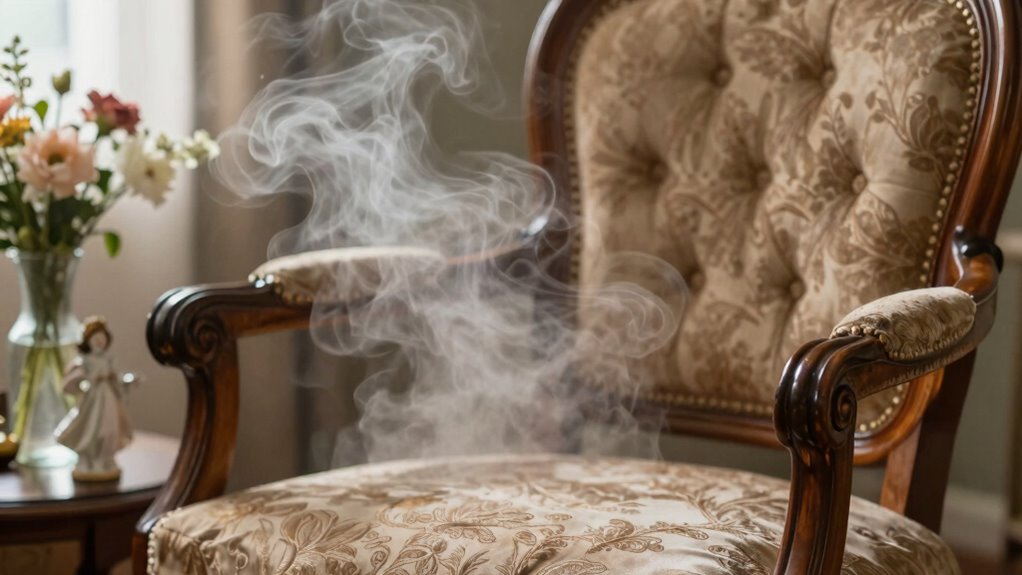
Many household surfaces and materials can be damaged by steam if you’re not careful. Delicate fabrics, such as silk or fine wool, can easily become watermarked or misshapen when exposed to high heat and moisture. Antique furniture is also vulnerable; steam can cause the wood finish to swell, crack, or peel, ruining its appearance and value. Porous materials like unsealed stone or certain plastics may absorb moisture, leading to warping or staining. Even painted surfaces can be compromised, as steam can loosen paint or cause bubbling. Before steaming, assess each surface’s material and finish. When in doubt, avoid using steam on delicate fabrics, antique furniture, or porous materials to prevent irreversible damage. Understanding material sensitivity can help you make safer cleaning choices and avoid costly repairs. Recognizing heat and moisture effects is essential for preventing damage to your household items, especially those with delicate or porous surfaces. Being aware of material vulnerabilities can further protect your household items from unintended harm. Additionally, knowing how temperature control influences steam effectiveness can help you avoid accidental damage during cleaning.
Electronics and Sensitive Items That Don’t Mix With Steam
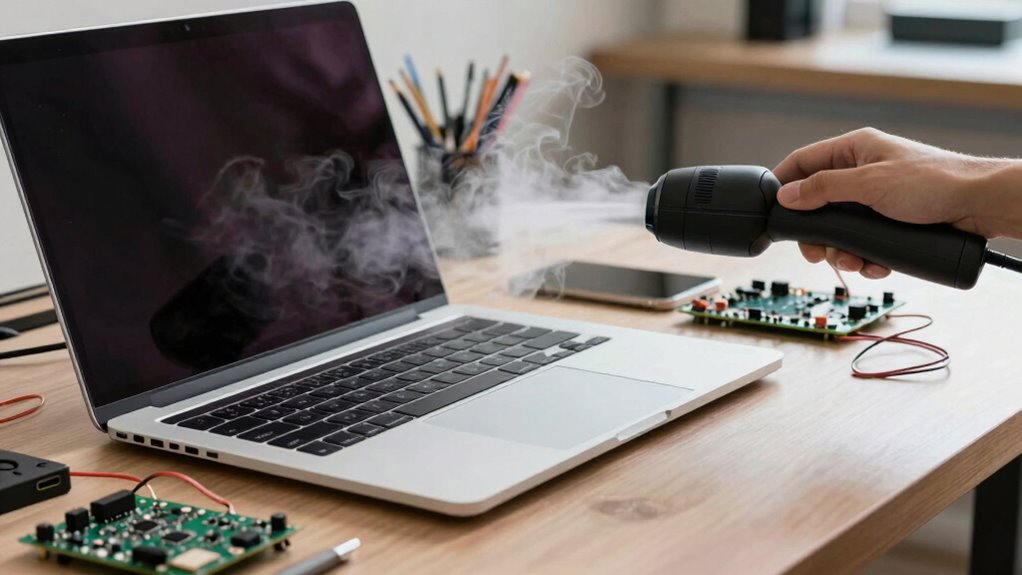
Steam and electronics simply don’t mix. When it comes to electronics safety, exposing devices like laptops, smartphones, or tablets to steam can cause permanent damage. Moisture can seep into delicate components, leading to short circuits or corrosion. Even sealed electronics aren’t safe, as steam can penetrate seals over time. Similarly, delicate fabrics such as silk or fine upholstery should be avoided, as steam can cause water spots, shrinkage, or fabric deterioration. Always keep electronic devices and sensitive items far from steam cleaning zones. If you’re cleaning around electronics, use dry methods or specialized tools designed for electronics safety. Remember, steam might be effective for many surfaces, but it’s a risky choice for electronics and delicate fabrics. Security-focused smart locks and office gear are designed to protect your spaces, so keeping steam away from such devices is crucial. Prioritize caution to avoid costly mistakes. Additionally, using steam near sensitive electronic components can accelerate wear and tear, leading to early failure. Proper ventilation can help prevent moisture buildup that might harm electronic devices. To further safeguard your electronics, consider proper maintenance techniques that do not involve moisture or steam exposure. Being aware of electronic device limitations can help prevent unintentional damage during cleaning.
Common Mistakes People Make When Steam Cleaning
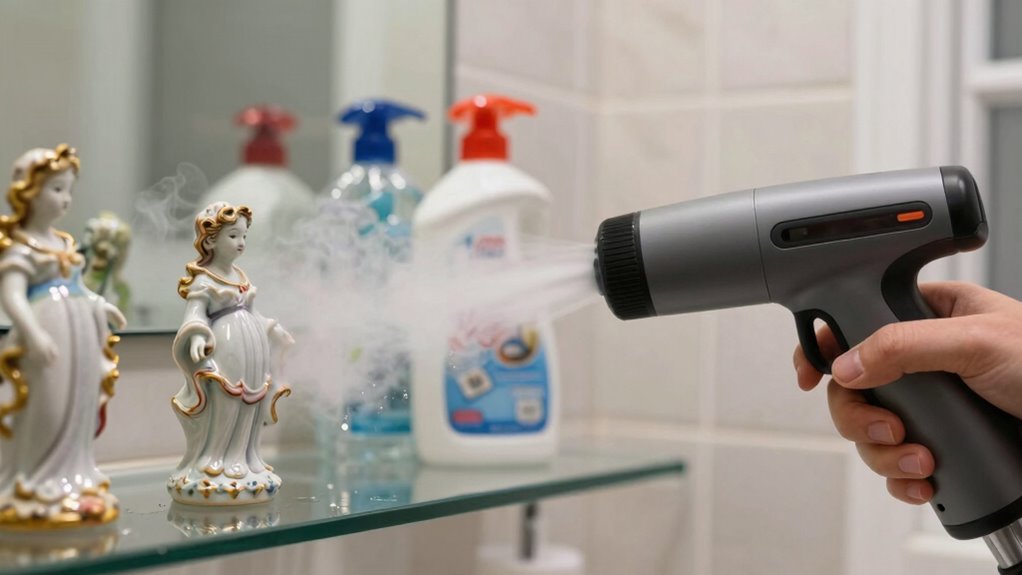
One common mistake people make when steam cleaning is using too much water or holding the steamer too close to surfaces, which can cause damage or leave excess moisture behind. Many fall for steam cleaning myths that suggest more water equals better cleaning, but this improper technique can harm delicate surfaces or lead to mold growth. Additionally, pressing the steamer directly onto surfaces without proper distance or movement can result in warping or staining. It’s essential to follow manufacturer instructions and maintain a safe distance. Relying on incorrect assumptions about steam cleaning can cause more harm than good. Proper technique involves understanding Steam cleaning techniques and applying them correctly to prevent damage. Being aware of surface sensitivities and how different materials react to steam is vital for safe cleaning. Also, understanding proper steam pressure helps prevent accidental damage during cleaning. Using the correct equipment settings ensures you achieve effective cleaning without risking your surfaces.
Safer Ways to Clean Items That Shouldn’t Be Steamed
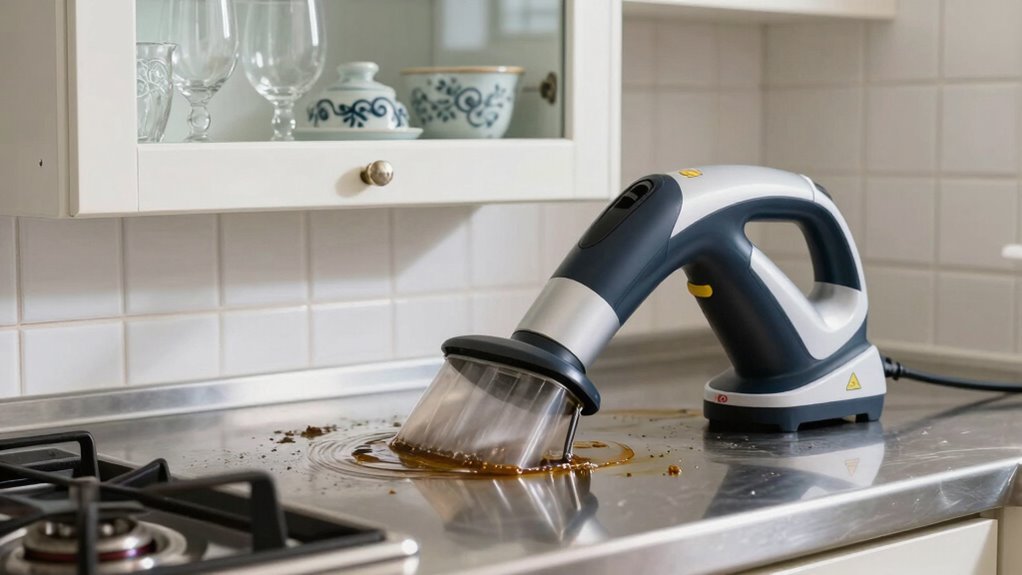
Some items are better cleaned using methods other than steaming to prevent damage or safety hazards. Many people believe steam cleaning myths, thinking it’s suitable for everything, but DIY steam safety isn’t a one-size-fits-all solution. For delicate fabrics like silk or wool, hand washing or dry cleaning is safer. Electronic devices, such as keyboards or appliances, can be ruined by moisture and should be wiped with a damp cloth instead. Wooden furniture and antiques are vulnerable to water damage and are better cleaned with a soft cloth or specialized cleaners. Always research the specific item before attempting any cleaning method. Relying on steam cleaning myths can lead to costly damage, so use appropriate techniques to keep your belongings safe and in good condition. Developing a systematic approach to cleaning helps ensure that each item receives the proper care and reduces the risk of accidental damage. Additionally, understanding indoor air quality and the potential effects of moisture exposure can help you choose safer cleaning methods.
Frequently Asked Questions
Can Steam Cleaning Cause Allergies or Respiratory Issues?
Steam cleaning can cause allergy triggers or respiratory issues if you don’t use it properly. The heat and moisture may release dust, mold, or pet dander into the air, aggravating respiratory health. People with allergies or asthma should wear masks and make certain there is good ventilation. Always check for hidden mold or allergens beforehand, and avoid steam cleaning certain surfaces to prevent worsening symptoms. Taking these precautions helps protect your health while cleaning.
Is Steam Cleaning Effective on Painted or Wallpapered Walls?
Think of painted walls and wallpapered surfaces as delicate tapestries that can unravel with the wrong touch. Steam cleaning can be effective, but it’s a double-edged sword; it may loosen paint or peel wallpaper if not done carefully. Light, controlled steam might refresh these surfaces, but too much heat risks damage. Always test in a small area first, treating your walls like fragile art needing gentle care.
Are There Specific Fabrics That Shouldn’t Be Steamed?
You should avoid steaming delicate textiles and wool fabrics, as the heat and moisture can cause damage or shrinkage. These fabrics are sensitive to high temperatures, so steam might weaken their fibers or lead to warping. Always check the care label first, and if in doubt, test a small hidden area. Stick to gentle cleaning methods for these materials to preserve their quality and appearance.
How Often Should I Steam Clean Delicate Electronics?
You shouldn’t steam clean delicate electronics frequently; instead, perform electronics maintenance with gentle methods like compressed air or microfiber cleaning. Generally, limit steam cleaning frequency to prevent moisture damage. Only use a slightly damp cloth on screens and surfaces, avoiding direct steam. Regularly check your device’s manufacturer guidelines for cleaning tips, and always make certain electronics are unplugged and powered off before cleaning to prevent harm.
Can Steam Cleaning Damage Certain Types of Furniture Finishes?
Like walking on thin ice, steaming can harm certain furniture finishes if you’re not careful. Steam damage to delicate finishes can occur quickly, causing warping, discoloration, or peeling. You should avoid steaming on unfinished wood, lacquer, or painted surfaces, as the moisture and heat can break down these finishes over time. Always test a small, hidden area first to prevent ruining your furniture’s appearance and longevity.
Conclusion
Remember, steam cleaning isn’t a magic wand—if you steam the wrong items, you could turn your home into a disaster zone faster than you can say “ruined.” From delicate electronics to fragile surfaces, some things just aren’t worth the risk. Always double-check before you press that steam button. Otherwise, you might end up with a costly repair bill or a home that looks like a steam-powered chaos zone. Play it safe, and keep your cleaning adventures disaster-free!