TL;DR
Phil Spencer, speaking in collaboration with Wickes, recommends checking a loft hatch as one of several small places heat may escape from a home. Experts say draught-proofing or insulating a hatch can improve comfort, but there is no set bill saving and the commonly cited £190 estimate applies to insulating an entire uninsulated loft, not the hatch alone.
Phil Spencer has urged homeowners to check for draughts around loft hatches as part of a set of five practical ways to reduce heat loss, in advice shared in collaboration with Wickes. Insulating or sealing a hatch may help a home retain warmth, experts say, but there is no set estimate for how much this single fix could save on energy bills.

Get cleaning gear delivered free with Prime
- Fast, free delivery on millions of items
- Prime Video, Amazon Music and more included
- Member-only deals all year
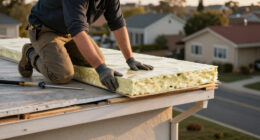
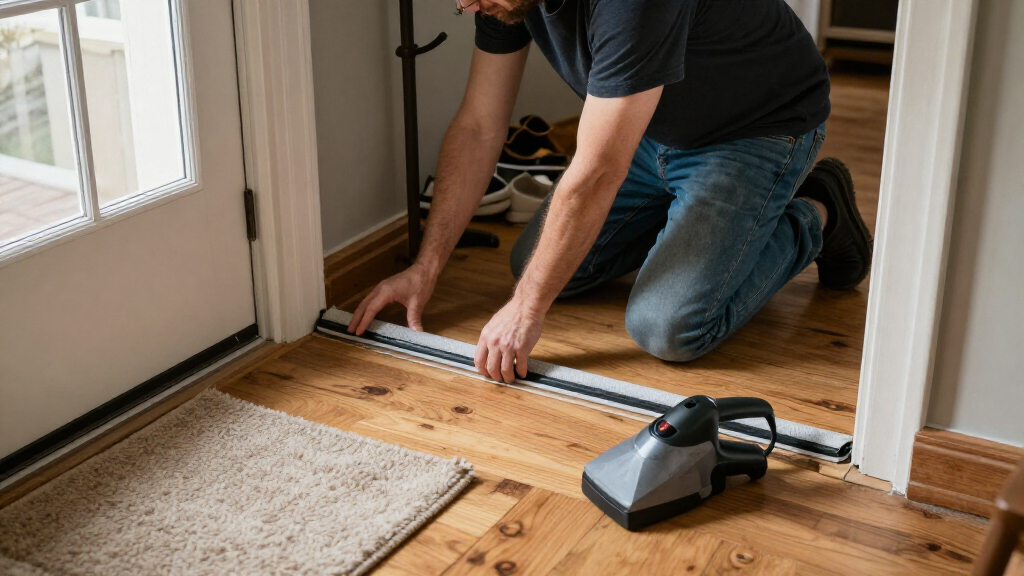
A loft hatch can be a weak point in a home’s insulation if it is thin, uninsulated or does not close tightly. Because warm air rises, gaps around the hatch may let it pass into the colder loft. Draught-proofing strips around the frame and suitable insulation attached to the hatch are among the suggested fixes.
Scott Kemp, national operations manager at Instaloft, said homeowners can add insulation and draught-proofing to an existing hatch or replace it with a model designed with those features built in. Any added insulation must be secured and must not stop the hatch closing properly, according to advice from Joe Francis, director of Lofts of Bromley Ltd.
The advice also cautions against overstating the financial payoff. Francis said savings depend on how well the rest of a home is insulated and whether the hatch is allowing substantial heat to escape. Draught-proofing may make a nearby landing feel warmer, but the material gives no measured saving for hatch insulation alone. It notes that insulation boards are available at B&Q from £8.50, though prices and suitability can vary.
Check the loft hatch before winter
Phil Spencer, in collaboration with Wickes, recommends checking the hatch for draughts. Sealing or insulating it may improve comfort, but no hatch-specific bill saving is established.
Why the hatch matters
Warm air can escape through gaps around a thin, uninsulated hatch that does not close tightly.
Reduce draughts
Sealing the frame may help the landing below feel warmer.
A small access point
Hatch insulation addresses the opening; it does not insulate the whole loft.
Ways to improve the hatch
Choose an approach suited to the existing hatch and its frame.
Look for visible draughts around the hatch and frame.
Consider draught-proofing strips and suitable insulation, or an insulated replacement hatch.
Secure added insulation and make sure the hatch still closes properly.
Comfort is not a bill forecast
The result depends on the hatch, loft insulation and the rest of the home.
- No measured saving is provided for insulating or sealing the hatch alone.
- The £8.50 board price is a starting price, not a full project quote.
- The cited estimate is about £190 a year for insulating a completely uninsulated loft in a typical semi-detached house.
- That figure does not predict savings from a hatch upgrade.
A Small Fix, Not a Bill Guarantee
For households facing colder weather and energy costs, checking for draughts offers a relatively limited piece of maintenance to consider before turning up the heating. A hatch that leaks air can undermine other efforts to retain warmth, and sealing it may improve comfort in the area below the loft. The advice does not establish that every home has this problem, or that every hatch upgrade will produce a noticeable reduction in bills.
The distinction between comfort and a quantified saving matters. The Energy Saving Trust estimate cited by Francis is around £190 a year for insulating a completely uninsulated loft in a typical semi-detached house. That figure relates to the whole loft, not to insulating or sealing the hatch alone. It should not be treated as a forecast for this smaller job.
Products Worth Considering

Google Nest Learning Thermostat (4th Gen, 2024) with Nest Temperature Sensor, Polished Gold

Samsung 55-Inch S90H OLED 4K UHD Smart TV Bundle with Full-Motion Mount and Surge Protector

Roborock Q7 M5+ Robot Vacuum and Mop
As an affiliate, we earn on qualifying purchases.
Why the Loft Hatch Can Leak Heat
Spencer’s recommendation is one of five home checks presented in collaboration with Wickes. The other examples he named include an unused fireplace and a poorly insulated hot-water tank. His broader point was that reducing heat loss does not always require a major renovation: some areas that may merit attention are easy to overlook.
Loft insulation and hatch insulation are different jobs. A well-insulated loft may still have a poorly sealed access hatch, while improving the hatch does not substitute for insulating the loft itself. The advice describes adding draught-proofing around the frame and insulation to an existing hatch, or choosing a more modern insulated hatch. It does not provide a universal product specification, installation cost or estimate of the time needed for the work.
“Some of the places where heat escapes are surprisingly easy to overlook. An unused fireplace, a poorly insulated hot water tank or even the hatch leading into your loft could all be worth checking before winter sets in.”
— Phil Spencer, speaking in collaboration with Wickes
No Hatch-Specific Savings Figure
The expected energy-bill saving from insulating a loft hatch is not quantified. The information provided gives no measured results, comparison of homes or calculation showing how much heat a hatch typically loses. The potential benefit will vary with the hatch’s construction and seal, the loft’s insulation and other features of the property.
It is also unclear how much a homeowner would spend overall: the cited £8.50 is a starting price for an insulation board at B&Q, not a full project quote. The advice does not specify a product’s suitability for every hatch, or set out installation requirements for different home designs. Homeowners should check that any chosen material is appropriate and does not obstruct the hatch’s operation.
Check the Seal Before Winter
The practical next step is to inspect the hatch and its frame for visible gaps or draughts, then consider suitable draught-proofing or insulation if needed. Kemp’s advice also points to replacing an older hatch with an insulated, draught-proofed model as an option. Whatever the approach, the hatch should still close securely after the work.
There is no announced follow-up study or scheduled policy change attached to Spencer’s advice. Whether the repair makes a noticeable difference to comfort or energy use will depend on the individual home; any household considering the work should distinguish that possible benefit from the much broader savings estimate for insulating an entire loft.
Source: rss
Key Questions
What does Phil Spencer recommend checking?
Spencer recommends checking the loft hatch for heat loss and draughts, alongside other possible problem areas such as unused fireplaces and poorly insulated hot-water tanks.
How can a loft hatch be insulated?
Options described include adding suitable insulation to the existing hatch and fitting draught-proofing strips around its frame, or upgrading to a hatch with insulation and draught-proofing built in. The hatch must still close properly.
How much could insulating a loft hatch save?
No hatch-specific saving is provided. The amount, if any, depends on the home’s existing insulation and whether the hatch is leaking heat. The cited estimate of about £190 annually concerns insulating an entirely uninsulated loft in a typical semi-detached house, not the hatch alone.
Is insulating a loft hatch the same as insulating the loft?
No. Hatch insulation addresses the access point; loft insulation covers the larger loft area. A hatch can remain a weak spot even when the loft is insulated, but improving the hatch does not replace loft insulation.
Source: idealhome.co.uk