TL;DR
Steel or aluminum siding is presented as a lower-maintenance alternative to plywood for shed walls because it resists water damage and can last longer. Thin-gauge metal may dent in hail, and metal siding can require specialized tools and safety gear to install.
A home-improvement report recommends steel or aluminum siding as a lower-maintenance alternative to plywood for shed walls, citing resistance to water damage and a reported 40-to-60-year lifespan for metal. The choice is not one-size-fits-all: thin-gauge panels may be vulnerable to hail, while installing metal on a custom shed can require specialized cutting tools and protective equipment.

Get cleaning gear delivered free with Prime
- Fast, free delivery on millions of items
- Prime Video, Amazon Music and more included
- Member-only deals all year
Plywood remains a common shed-wall material, but the report says its fibrous, moisture-absorbing structure can limit its service life when exposed to weather. Steel and aluminum siding are described as nearly impervious to water damage at comparable prices. That comparison is general guidance, not a guarantee for every panel, shed design or climate; the report provides no product-specific prices or test results.
Metal thickness matters. The report warns that mass-produced sheds with thin-gauge steel or aluminum siding can be damaged by hail and says thicker-gauge material, particularly steel, can reduce that risk. It does not specify a recommended gauge or define the hail conditions panels can withstand, so buyers would need to check product specifications and warranties.
Many metal siding products have a baked-on colored finish, and lighter colors can reflect solar energy. The report also notes that metal provides no insulation on its own, so a shed used for temperature-sensitive storage may need a separate insulation plan. Metal can be recyclable, and the report says many manufacturers use reused material, though it gives no figures on recycled content or recycling rates.
Choose a lower-maintenance wall with trade-offs in mind
Steel or aluminum siding can resist water damage better than plywood. Hail, installation demands and the shed’s intended use still matter.
Compare the wall materials
The report compares plywood and metal siding; actual performance depends on the product and conditions.
- Fibers absorb moisture, which can limit service life in weather.
- Can be easier for some DIY builders to work with.
- Described as nearly impervious to water damage.
- Thin-gauge panels may be damaged by hail.
Plan for installation
The format you choose can affect how much cutting and fitting happens on site.
Prebuilt sheds and kits can reduce on-site metal cutting and fitting.
Metal siding may require specialized cutting tools and protective equipment.
Match panels to conditions
Check product details against local weather and how you plan to use the shed.
- In hail-prone areas, consider thicker-gauge metal, especially steel.
- Ask for panel specifications, hail ratings and warranty coverage.
- Metal has no insulation on its own; temperature-sensitive storage may need a separate insulation plan.
- Check finish care, recycled content and any added insulation costs.
Durability Comes With Trade-Offs
For owners who want to reduce repairs tied to moisture and extend the time between wall replacements, metal siding may be a practical choice. The reported 40-to-60-year lifespan and resistance to water damage could make it attractive for sheds exposed to rain, but those figures are not linked to a named manufacturer, test standard or specific maintenance schedule. They should be treated as broad estimates rather than a service-life promise.
The material choice also affects installation and comfort inside the shed. Prefabricated sheds and kits can offer metal walls without requiring the buyer to cut and fit panels. By contrast, a custom build can demand more tools and safety preparation. Since metal has no insulating value by itself, a cooler-looking, reflective exterior does not mean the interior will stay at a stable temperature. Owners should weigh the expected use of the shed alongside weather exposure, upfront cost and the work needed to install or insulate it.
Products Worth Considering

Ring Alarm 5-Piece Home Security Kit

Ring Alarm 8-Piece Home Security System Kit

Dyson Cyclone V10 Origin Cordless Vacuum
As an affiliate, we earn on qualifying purchases.
Kits Simplify Metal Siding
The report describes plywood and metal as the two most common shed-wall options. Plywood can be easier for some do-it-yourself builders to work with, while metal is presented as more resistant to prolonged exposure to water. The discussion focuses on wall cladding and does not compare complete shed systems, including framing, roofing, foundations or ventilation.
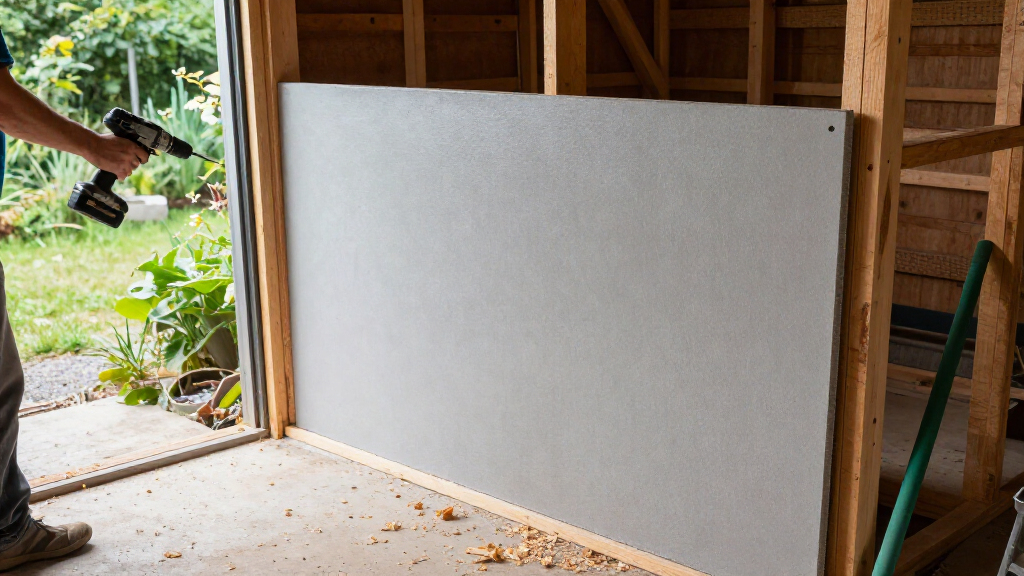
For people choosing metal, the report points to prebuilt sheds and shed kits as ways to avoid much of the on-site cutting and fitting. Experienced DIYers can install metal siding on a custom structure, but the work may call for aviation snips, metal-cutting blades for a circular saw or handheld jigsaw, and heavy-duty tin snips. The report says personal protective equipment is non-negotiable; it does not provide a full safety procedure or specify which protective items are needed for each tool.
Metal siding is available in different colors and can imitate some wood-siding styles, according to the report. That gives buyers design options beyond a plain metal appearance. The report does not name brands, compare particular finishes or document how the finish holds up over time.
Panel Ratings Need Checking
The guidance does not identify the products behind its 40-to-60-year durability estimate, explain how that range was calculated or state what conditions it assumes. It also offers no direct cost comparison beyond describing metal and plywood as comparably priced. Actual prices and performance can vary by material grade, panel thickness, finish, installation and local weather.
Other details remain unspecified, including a minimum metal gauge for hail-prone areas, the maintenance required to preserve the finish, and how much recycled content manufacturers use. Buyers should verify the panel specifications, warranty, local building requirements and suitability for their intended use. The report also does not assess other shed-wall materials, so its comparison is limited to plywood and metal.
Compare Specifications Before Buying
Before selecting a shed, buyers can compare the panel material and gauge, ask what the warranty covers, and check whether the product is intended for the local climate. In areas exposed to hail, the report’s advice favors considering thicker-gauge metal, especially steel, but product-specific ratings are needed to judge protection. Buyers should also ask about finish care, recycled content and any added costs for insulation.
Those building a custom shed should check tool requirements and prepare appropriate protective equipment before cutting metal panels. Anyone not comfortable with that work can compare prebuilt sheds or kits, which may reduce on-site installation demands. The right option depends on the shed’s exposure, planned use, budget and the owner’s ability to install and maintain its walls.
Source: rss
Key Questions
Is metal siding more water-resistant than plywood?
The report describes steel and aluminum siding as nearly impervious to water damage compared with plywood, whose fibers absorb moisture. Actual performance depends on the product, installation and exposure.
Can hail damage metal shed walls?
Yes. The report warns that thin-gauge metal panels can be harmed by hail and says thicker-gauge material, particularly steel, can reduce the risk. It does not provide a specific gauge recommendation or hail rating.
Does metal siding insulate a shed?
No. The report says metal has no insulating value. A shed that needs temperature control may require separate insulation.
Is metal siding suitable for a DIY shed?
It can be, especially for experienced DIYers, but cutting and installing it may require specialized tools and personal protective equipment. A prebuilt shed or kit can avoid some of that work.
Source: hunker.com