
TL;DR

Get cleaning gear delivered free with Prime
- Fast, free delivery on millions of items
- Prime Video, Amazon Music and more included
- Member-only deals all year
Offline hobbies are experiencing a significant resurgence, driven by digital fatigue and a desire for meaningful, tangible experiences. Experts predict they will increasingly influence daily life and culture.
Offline hobbies are rapidly gaining popularity, with participation rates increasing across various age groups and regions, according to recent industry surveys. This shift reflects a broader movement away from digital screens toward tangible, real-world activities. Experts say this trend could reshape how people spend their free time, impacting social dynamics, mental health, and consumer markets.
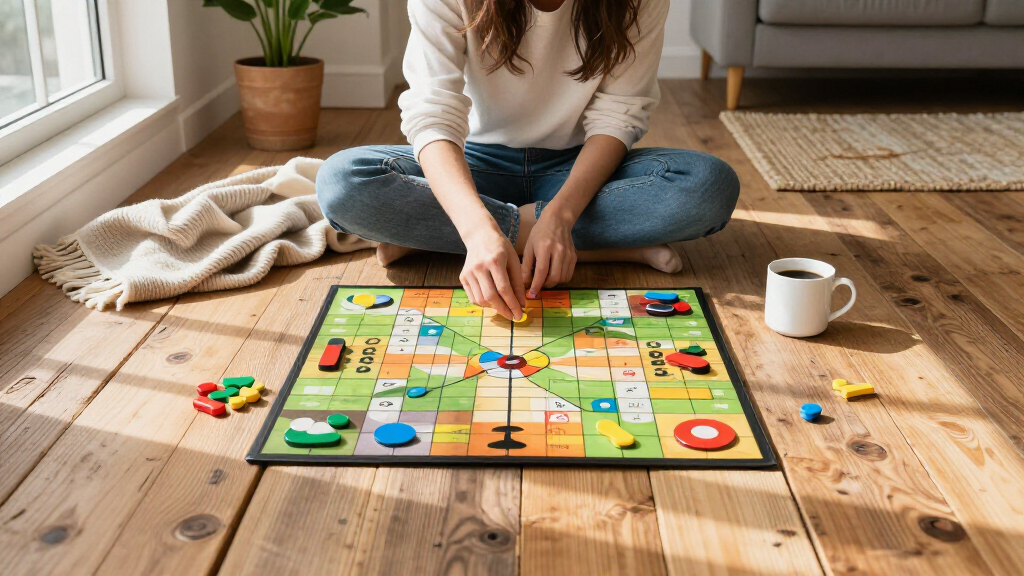
Recent data from multiple sources, including market research firms and leisure industry reports, show a notable rise in offline hobbies such as gardening, woodworking, board gaming, and outdoor sports. For example, a survey conducted by leisure analytics firm StatTrend found a 25% increase in participation in outdoor activities over the past year.
Several factors are driving this trend. Digital fatigue, heightened during the COVID-19 pandemic, has led many to seek relief from screens and online interactions. Additionally, a desire for more meaningful, face-to-face social connections has spurred interest in community-based activities and hands-on hobbies.
Industry experts note that this resurgence is not limited to specific demographics. While traditionally associated with older adults, younger generations are also embracing offline pursuits, often as a counterbalance to their digital lives. Retailers and local businesses are responding by expanding offline product lines, from craft supplies to outdoor gear, indicating a growing market.
The Rise of Offline Hobbies: Why They’re About To Take Over Our Lives
Digital fatigue and a hunger for meaningful, tangible experiences are fueling a surge in gardening, woodworking, board gaming, and outdoor sports. Experts predict this shift will reshape free time, social dynamics, mental health, and consumer markets across generations.
Why Now? The Forces Behind the Offline Surge
Several converging factors — from pandemic-era screen overload to a renewed desire for face-to-face community — are pushing people away from digital leisure and toward hands-on, real-world pursuits.
Digital Fatigue
Heightened during the COVID-19 pandemic, exhaustion from screens and online interactions has led many to actively seek relief in physical, offline activities.
Meaningful Connection
A desire for genuine face-to-face social bonds has spurred interest in community-based activities and collaborative, hands-on hobbies.
Health & Sustainability
The movement aligns with broader trends emphasizing mental well-being, sustainability, and deeper community engagement.
Where the Growth Is Concentrated
Recent surveys and leisure industry reports point to gardening, woodworking, board gaming, and outdoor sports as the fastest-growing offline pursuits, with retailers reporting rising sales of tools, DIY kits, and gear.
Implications for Society and Consumer Markets
The offline resurgence touches everything from social interaction to urban planning. Here is how experts expect the trend to ripple across key domains.
| Domain | Observed Shift | Expected Effect | Certainty |
|---|---|---|---|
| Social Dynamics | Growth of face-to-face, community-based activities | Stronger social cohesion and local connection | ✓ High |
| Mental Health | Relief from digital fatigue via tangible pursuits | Improved well-being and stress reduction | ✓ High |
| Retail Markets | Expanding offline product lines: crafts, gear, DIY kits | New opportunities; revitalized local economies | ✓ High |
| Urban Planning | Consideration of more public and outdoor spaces | Parks and community centers prioritized | ~ Emerging |
| Digital Industries | Continued dominance, but shifting strategies | Marketing and product offerings adapt to offline interest | ~ Mixed |
| Long-Term Persistence | Consistent two-year upward trajectory | Sustained growth likely, but unconfirmed | ✗ Uncertain |
From Fatigue to Cultural Shift
The causal chain behind the offline hobby movement — how digital exhaustion transforms into market response and urban change.
Screen Overload
Pandemic-era digital fatigue drives the search for relief beyond screens.
Hands-On Turn
Individuals adopt gardening, woodworking, gaming, and outdoor sports.
Community Rebuild
Face-to-face groups form, boosting social cohesion and well-being.
Market Response
Retailers expand offline lines; local economies get a fresh boost.
Urban Change
Planners and policymakers invest in outdoor and communal spaces.
Whether this trend is a lasting cultural realignment or a temporary response to recent social and technological shocks remains unresolved. Economic factors, technological innovation, and regional demographic differences could all shape — or stall — the trajectory. The next 12–24 months of data will be decisive.
What Everyone Is Asking
Direct answers to the most common questions about the offline hobby resurgence.
Why are offline hobbies becoming more popular now?
Many people are experiencing digital fatigue and seeking meaningful, tangible experiences that foster social connections and mental well-being.
Which offline hobbies are seeing the most growth?
Activities like gardening, woodworking, outdoor sports, and board gaming are among the fastest-growing offline pursuits.
Will this trend affect digital industries?
Digital industries remain significant, but shifts in marketing strategies and product offerings are likely to cater to renewed offline interest.
How might this trend impact urban development?
Cities may prioritize outdoor spaces, parks, and community centers to support offline hobbies and social engagement.
Is this trend likely to be temporary or permanent?
It is still uncertain. Current data suggests a sustained increase, but long-term persistence depends on social, economic, and technological factors.
Who is driving the resurgence?
All generations. While offline hobbies were traditionally associated with older adults, younger people are embracing them as a counterbalance to digital life.
Implications for Society and Consumer Markets
The rise of offline hobbies suggests a potential cultural shift toward valuing tangible experiences over digital consumption. This could influence social interactions, mental health, and even urban planning, as communities emphasize outdoor and communal spaces. For markets, this trend opens new opportunities for retailers, manufacturers, and local businesses to cater to a growing demand for offline activities, potentially revitalizing local economies and fostering social cohesion.
As an affiliate, we earn on qualifying purchases.
Historical Trends and Recent Accelerations in Offline Activities
Offline hobbies have always existed but experienced fluctuations based on technological and social changes. The COVID-19 pandemic accelerated interest in outdoor and home-based activities as restrictions limited indoor socializing. Data from the past two years show a consistent upward trajectory, with many individuals seeking relief from digital fatigue and reconnecting with physical, hands-on pursuits. Experts note that this movement aligns with broader trends emphasizing wellness, sustainability, and community engagement.
Prior to 2020, offline hobbies had seen modest growth, but recent surveys indicate a surge that could redefine leisure culture. Retailers report increased sales of gardening tools, DIY kits, and outdoor sports equipment, reflecting this shift. Meanwhile, urban planners are considering more public spaces to support outdoor hobbies, further demonstrating the societal impact of this trend.
As an affiliate, we earn on qualifying purchases.
Unanswered Questions About Long-Term Impact
While current data confirms a rise in offline hobbies, it is still unclear whether this trend will sustain over the coming years or if it is a temporary response to recent social and technological shifts. Experts caution that economic factors, technological innovations, and cultural changes could influence the trajectory. Additionally, regional differences and demographic variations in participation are still being studied.
As an affiliate, we earn on qualifying purchases.
Future Developments and Market Responses
Researchers and industry leaders plan to monitor ongoing participation rates and consumer preferences. Retailers are expected to expand offline product lines, and urban planners may develop more outdoor spaces to accommodate this interest. Policymakers might also consider supporting community-based offline activities to foster social cohesion. The trend’s durability will become clearer as new data emerges over the next 12-24 months.
As an affiliate, we earn on qualifying purchases.
Key Questions
Why are offline hobbies becoming more popular now?
Many people are experiencing digital fatigue and seeking meaningful, tangible experiences that foster social connections and mental well-being.
Which offline hobbies are seeing the most growth?
Activities like gardening, woodworking, outdoor sports, and board gaming are among the fastest-growing offline pursuits.
Will this trend affect digital industries?
While offline hobbies are rising, digital industries remain significant. However, there may be shifts in marketing strategies and product offerings to cater to this renewed interest in offline activities.
How might this trend impact urban development?
Cities may prioritize outdoor spaces, parks, and community centers to support offline hobbies and social engagement.
Is this trend likely to be temporary or permanent?
It is still uncertain. While current data suggests a sustained increase, long-term persistence depends on various social, economic, and technological factors.
Source: rss
Fall Picks
fall essentials
As an affiliate, we earn on qualifying purchases.