
TL;DR
Open a free Amazon Business account
Business pricing, bulk buying and tax-exempt orders.
Create a free accountAs an affiliate, we earn on qualifying purchases.
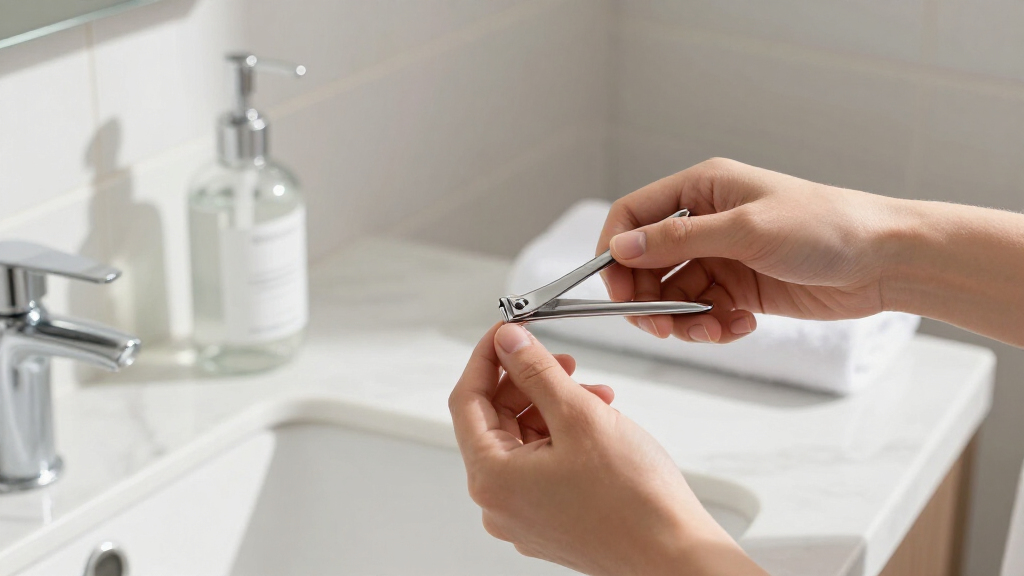
The small hole at the end of nail clippers is not decorative or for cutting. It is designed for attaching the tool to key rings, lanyards, or organizers, making it easier to keep track of and transport.
The small hole at the end of nail clippers, often overlooked, is not a decorative feature or an additional cutting edge. Manufacturers designed it primarily for attachment and storage purposes, making the tool more portable and less likely to be misplaced. This clarification comes after widespread curiosity and misconceptions about its function.
Many nail clippers include a tiny hole at the end, which has historically been misunderstood by users. Recent explanations from sources such as Google Patents and the New York Post confirm that this hole is intended for attaching the clipper to key rings, lanyards, or hooks. This feature helps users keep track of the tool, especially when stored in drawers, toiletry bags, or travel kits.
Some designs incorporate larger holes to accommodate thicker key rings, carabiners, or split rings, enhancing versatility for travel or outdoor use. The hole’s placement varies among models, but its core purpose remains consistent: facilitating attachment and portability. Other features like folding nail files or textured grips are often overlooked but serve to improve usability, yet the hole’s primary function is for storage.
Experts and manufacturers emphasize that the hole is not meant for additional cutting or grooming functions. Instead, it acts as a simple, practical solution to prevent loss and improve convenience, especially for frequent travelers or those who keep multiple grooming tools.
Why the Nail Clipper Hole Matters for Everyday Use
Understanding the purpose of the hole enhances the usability of nail clippers, especially for travelers and those who prefer organized grooming kits. Recognizing this feature helps users avoid unnecessary assumptions and encourages better tool management. It also highlights how simple design choices can improve everyday practicality and reduce the frustration of lost or misplaced grooming tools.
nail clipper with keyring attachment
As an affiliate, we earn on qualifying purchases.
As an affiliate, we earn on qualifying purchases.
Historical and Design Origins of the Nail Clipper Hole
The inclusion of a hole in nail clipper designs dates back to efforts to improve portability and storage. Manufacturers have experimented with different sizes and placements to optimize attachment options. Recent disclosures, including patent filings and media reports, confirm that the feature was intentionally created for attachment purposes, rather than as a decorative or functional cutting element. This aligns with broader trends in tool design aimed at enhancing convenience and reducing clutter.
“The hole is primarily for attaching the nail clipper to key rings, lanyards, or hooks, making it easier to keep track of and transport.”
— an anonymous researcher
portable nail clipper with lanyard hole
As an affiliate, we earn on qualifying purchases.
As an affiliate, we earn on qualifying purchases.
Remaining Questions About Nail Clipper Design
While the purpose of the hole as an attachment point is confirmed, it is still unclear whether all manufacturers follow the same standards or if some designs include additional features or functions. The variation in size and placement among different brands suggests ongoing design evolution, but no definitive guidelines or standards have been publicly established.
travel nail clipper with attachment loop
As an affiliate, we earn on qualifying purchases.
As an affiliate, we earn on qualifying purchases.
Future Trends in Nail Clipper Design and Features
Manufacturers may continue to refine the design of nail clippers, possibly integrating more features or standardized attachment points for enhanced convenience. Consumer awareness about the hole’s purpose is likely to increase, influencing future product designs. Additionally, innovations in materials and attachment mechanisms could further improve portability and reduce loss.
As an affiliate, we earn on qualifying purchases.
Key Questions
Is the hole in nail clippers meant for cutting?
No, the hole is not designed for cutting. It is intended for attaching the clipper to key rings, lanyards, or hooks to improve portability.
Can I use the hole to clean the nail clipper?
While some may use the hole as a makeshift cleaning aid, it is not its intended purpose. Proper cleaning should be done with appropriate tools or disinfectants.
Are all nail clippers made with a hole for attachment?
Most modern nail clippers include a hole for attachment, but some designs may omit it. The purpose remains consistent across models that feature it.
Does the size of the hole affect its function?
Yes, larger holes are designed to accommodate thicker key rings or carabiners, improving versatility for different users.
Will future nail clipper designs eliminate the hole?
It is unlikely, as the attachment feature adds practical value. Future designs may refine or standardize the hole, but its core purpose is expected to remain.
Source: rss
NFL season / tailgating Picks
team gear
As an affiliate, we earn on qualifying purchases.