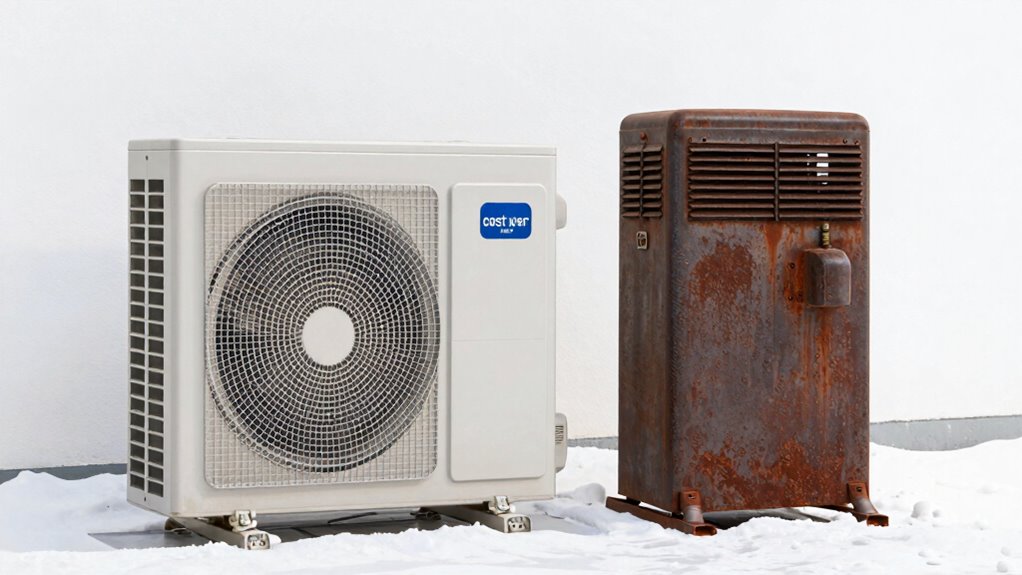

Compared to gas heaters, heat pumps often have higher upfront costs but save you money over time thanks to lower energy bills and better efficiency. Gas heaters are cheaper initially but tend to cost more monthly as fuel prices rise. To truly compare, you need to calculate the hourly costs based on your climate, energy rates, and system efficiency. Want to know how to make the best choice for your budget? Keep exploring!
Key Takeaways
- Heat pumps typically have higher upfront costs but lower hourly operating expenses due to energy efficiency.
- Gas heaters usually have lower initial costs but higher fuel costs, increasing the hourly expense over time.
- The cost per hour depends on local energy prices, system efficiency, and usage patterns for both systems.
- Rising electricity prices can increase heat pump operating costs, while fluctuating gas prices affect gas heater expenses.
- Long-term savings favor heat pumps when considering lower energy bills and environmental benefits, despite higher installation costs.
What Are the Operating Costs of Heat Pumps and Gas Heaters?
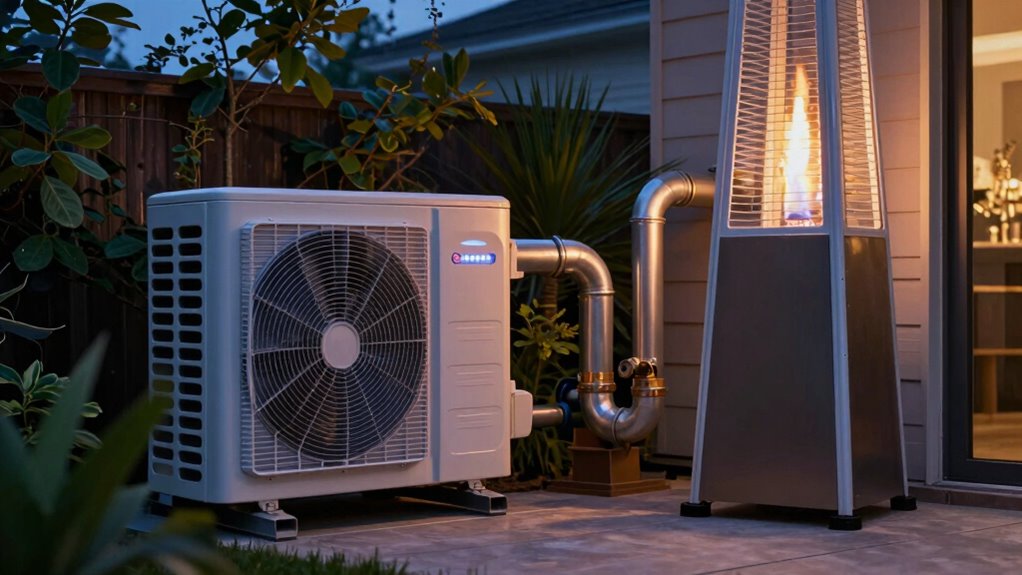
When comparing the operating costs of heat pumps and gas heaters, it’s important to take into account how much you’ll spend on energy over time. Installation costs vary: heat pumps often have higher upfront expenses, but these can be offset by lower energy bills later. Gas heaters usually cost less to install initially, but their energy expenses can add up quickly. Maintenance expenses also differ; heat pumps require regular checks to keep them running efficiently, which can add to ongoing costs. Gas heaters may need fewer maintenance visits but can incur higher repair costs if parts fail. Overall, understanding these factors helps you evaluate which system is more cost-effective for your long-term budget. Additionally, the efficiency of each system can be affected by climate conditions, influencing overall operating expenses. It’s also worth considering how local energy prices fluctuate, as this can significantly impact operating costs over time. Moreover, technological advancements in heating systems may lead to future cost savings and improved performance. Staying informed about market trends can help you anticipate future savings or costs associated with these systems. Being aware of energy efficiency improvements can further influence your decision-making process.
How Do Energy Prices Affect Your Heating Costs Per Hour?
Energy prices directly influence how much you’ll spend to heat your home each hour. When energy costs rise, your heating bills increase, affecting your budget considerably. Factors like renewable sources can help stabilize prices over time, but fluctuations remain. Here are some key points to contemplate:
Energy costs impact your heating budget significantly, with renewable sources helping to stabilize prices over time.
- Higher energy prices mean greater operating costs for both heat pumps and gas heaters, especially if electricity is sourced from renewables with variable costs.
- The cost per hour also depends on your appliance’s lifespan; a more durable unit can reduce long-term expenses despite higher initial costs.
- Price volatility impacts your overall heating budget, making it essential to monitor energy market trends to manage costs effectively.
- The type of technology used in your heater, such as heat pump or gas, influences how sensitive your costs are to fluctuating energy prices, highlighting the importance of understanding technology efficiency.
- Additionally, energy market fluctuations can cause unpredictable changes in your heating expenses, underscoring the need for adaptable budgeting strategies. Staying informed about energy market trends can help you anticipate and adjust to these fluctuations proactively, especially as renewable energy sources continue to evolve and impact pricing dynamics. An understanding of price stability measures can also assist in mitigating unexpected cost increases over time.
How to Calculate the Cost Per Hour for a Heat Pump
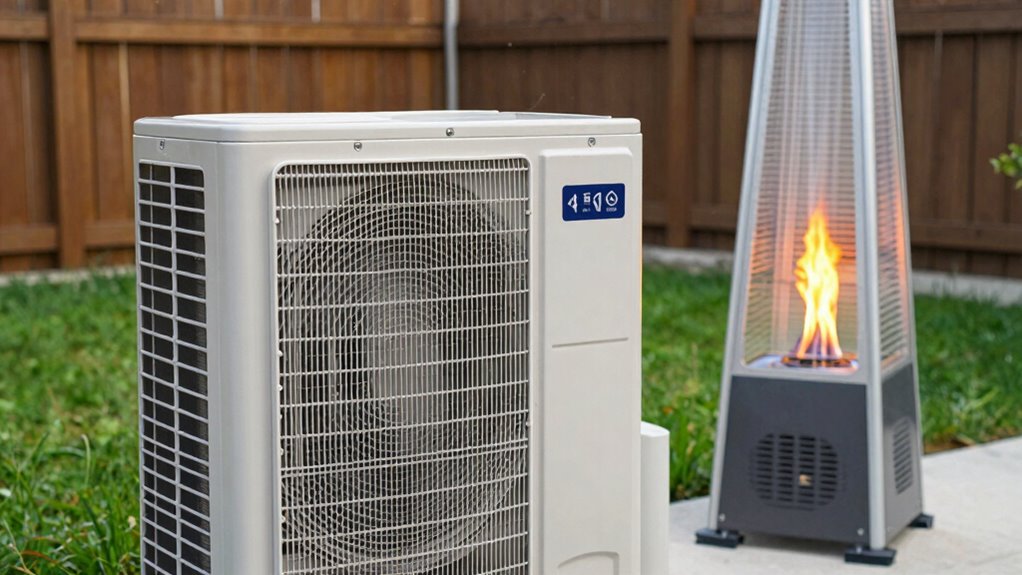
Calculating the cost per hour for a heat pump involves determining its energy consumption and the local electricity rate. First, check your thermostat settings, as higher temperatures increase energy use, raising costs. Find out the heat pump’s wattage or kilowatt rating, usually listed on the unit or in the manual. Multiply the wattage by the hours it runs to find total energy consumption per hour. Then, multiply that by your electricity rate per kilowatt-hour. Don’t forget to factor in maintenance costs, which can affect overall expenses over time but are less relevant for hourly calculations. By understanding these factors, you can accurately estimate your heat pump’s hourly operating cost and compare it effectively to other heating options.
What Is the Hourly Operating Cost of a Gas Heater?
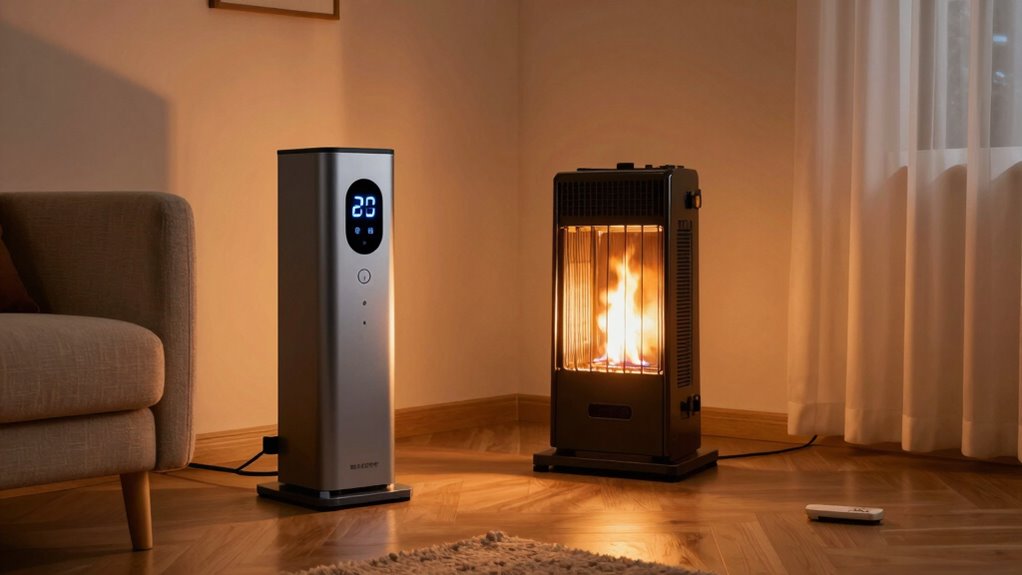
Understanding the hourly operating cost of a gas heater depends on its fuel consumption rates and energy efficiency. These factors can vary based on the model and usage conditions, affecting how much you spend each hour. By examining these points, you can better compare costs and choose the most economical heating option. Additionally, home safety considerations should also be part of your decision-making process when selecting heating appliances. For instance, fuel efficiency plays a crucial role in long-term operational costs and environmental impact, and selecting energy-efficient models can help reduce overall expenses. Moreover, incorporating traditional Indonesian decor masks can enhance the aesthetic appeal of your space while maintaining a cultural atmosphere. Recognizing signs of twin flame connection can also provide insight into emotional well-being during significant life decisions.
Fuel Consumption Rates
Ever wonder how much it costs to run a gas heater per hour? Your fuel consumption rate directly impacts this, influenced by factors like fuel efficiency and emission levels. To understand better:
- Gas heaters typically consume between 0.2 and 0.4 cubic meters of gas per hour, depending on size and settings.
- Higher fuel efficiency models use less gas, lowering operating costs and emissions.
- Poor fuel efficiency results in increased fuel use, higher costs, and greater emission levels, which might affect your environmental footprint.
Knowing these rates helps you estimate hourly costs accurately. Gas heaters with better fuel efficiency not only save money but also minimize their environmental impact by reducing emissions. Keep these factors in mind when comparing heating options.
Energy Efficiency Metrics
To determine the hourly operating cost of a gas heater, you need to take into account its fuel consumption rate and the current price of gas. This helps you understand its energy efficiency metrics, which directly impact ongoing expenses. Gas heaters tend to have higher operational costs compared to renewable options like heat pumps, especially as fuel prices fluctuate. Incorporating smart controls can improve efficiency by optimizing heating cycles, reducing waste, and lowering costs. These controls allow you to adjust settings based on occupancy or time of day, making your gas heater more cost-effective. While gas offers reliable heat, understanding its energy efficiency metrics helps you evaluate whether it’s the most economical choice for your home, or if exploring renewable options might be better in the long run. Additionally, considering the environmental impact of tissue paper can guide eco-conscious decisions in your home or craft projects. Recognizing the importance of fuel efficiency can further assist homeowners in making informed choices about heating systems.
Cost Variability Factors
The hourly operating cost of a gas heater varies based on several key factors. First, fuel prices fluctuate, directly affecting ongoing expenses. Second, installation costs can influence overall affordability, especially if upgrades or complex setups are needed. Third, maintenance expenses, including regular servicing and potential repairs, add to the total cost over time. These factors combine to create variability in what you pay per hour of use. A higher installation cost might mean a longer period before savings offset initial investment, while increased maintenance expenses can raise your hourly rate unexpectedly. Being aware of these elements helps you better estimate the true cost of operating a gas heater, ensuring you make an informed decision aligned with your budget and needs. Additionally, understanding the Horsepower of Electric Dirt Bikes can help you compare the efficiency and power requirements of alternative heating solutions, especially when considering energy consumption and operating efficiency. Moreover, considering fuel efficiency standards can further clarify the long-term costs associated with gas heaters, as they influence overall cost effectiveness, and paying attention to energy consumption patterns can provide further insight into their operational costs over time.
Which Heating System Saves You More Money Long-Term?
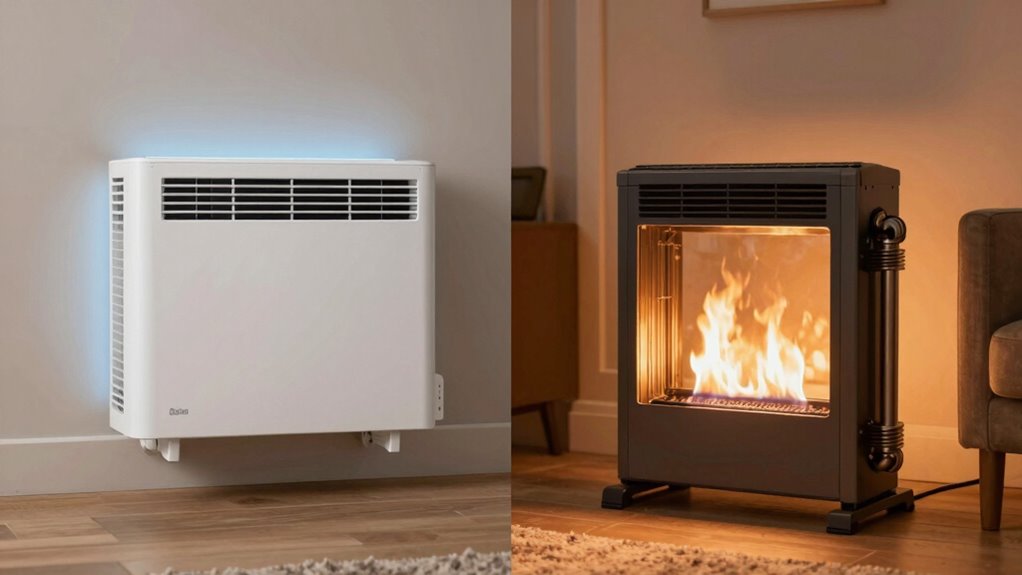
When comparing long-term costs, heat pumps generally save you more money than gas heaters. They have lower operating expenses and better energy efficiency, which translates to reduced monthly bills. Installation considerations aside, heat pumps often require less maintenance and last longer, further saving you money over time. They also have a smaller environmental impact, producing fewer emissions and using renewable energy sources. Additionally, renewable energy sources can be utilized more efficiently with heat pumps, enhancing their cost-effectiveness. Here’s a quick comparison:
| Aspect | Heat Pump | Gas Heater | Key Difference |
|---|---|---|---|
| Upfront Installation Cost | Slightly higher | Usually lower | Initial expense |
| Operating Cost | Lower due to efficiency | Higher due to fuel consumption | Long-term savings |
| Environmental Impact | Minimal, eco-friendly | Higher emissions | Better for the planet |
In the long run, heat pumps tend to be more cost-effective and eco-friendly.
Tips to Reduce Operating Costs and Save Money
Switching to a more efficient heating system like a heat pump already helps cut long-term costs, but you can save even more by making simple adjustments and mindful choices. First, schedule seasonal maintenance to keep your system running efficiently and prevent costly repairs. Second, improve your home’s insulation—seal leaks, add weatherstripping, or upgrade insulation to reduce heat loss. Third, set your thermostat wisely: lower it a few degrees when you’re asleep or away, and use programmable thermostats to optimize energy use. These small steps can markedly reduce your operating costs, whether you’re using a heat pump or a gas heater. Staying proactive and making smart upgrades helps maximize savings and keeps your home comfortable year-round.
Frequently Asked Questions
How Do Installation Costs Impact Overall Heating Expenses?
Installation costs considerably impact your overall heating expenses because they are part of the upfront expenses you pay initially. Higher installation costs for a heat pump or gas heater mean you’ll need more time to recoup that investment through energy savings. If installation costs are low, your total expenses decrease, making the system more affordable long-term. Always consider these costs carefully when choosing your heating system to ensure it fits your budget.
What Maintenance Costs Are Associated With Each System?
Ever wondered about maintenance costs and system durability? With a heat pump, you’ll face lower maintenance costs since it has fewer moving parts, making it more durable over time. Gas heaters, however, require regular inspections, burner cleaning, and potential repairs, which can add up. Both systems need upkeep, but your choice impacts long-term expenses and reliability. Are you prepared for ongoing maintenance?
Which Heating Option Has a Longer Lifespan?
You’ll find that heat pumps generally have a longer lifespan due to better equipment durability, often lasting around 15-20 years with proper maintenance. Gas heaters tend to need replacement more frequently, typically around 10-15 years, because of higher wear and tear. So, if longevity matters to you, a heat pump might be the better choice, reducing replacement costs over time and providing reliable heating for years to come.
How Does Climate Influence the Cost Efficiency of Heat Pumps Versus Gas Heaters?
Climate acts like a quiet conductor, guiding your heating choices. In milder climates, heat pumps dance gracefully with seasonal efficiency, adapting easily and saving you money. But in colder weather, gas heaters shine brighter, offering consistent warmth when heat pumps struggle. Your best bet depends on climate adaptability—if winters are harsh, gas heats up your savings; if not, heat pumps keep the rhythm smooth and cost-effective.
Are There Government Incentives for Installing Energy-Efficient Heating Systems?
Yes, you can benefit from government rebates and tax credits when installing energy-efficient heating systems. These incentives aim to reduce your upfront costs and encourage eco-friendly choices. Check if your local, state, or federal programs offer rebates for heat pumps or energy-efficient gas heaters. By taking advantage of these incentives, you’ll save money on installation and improve your home’s energy efficiency over time.
Conclusion
Ultimately, choosing between a heat pump and a gas heater depends on your budget and long-term savings. While the initial costs might seem steep, remember that slow and steady wins the race—investing wisely pays off over time. Keep an eye on energy prices and consider ways to cut back on operating costs. With the right approach, you’ll find yourself sitting pretty, warm and cozy without burning through your wallet.