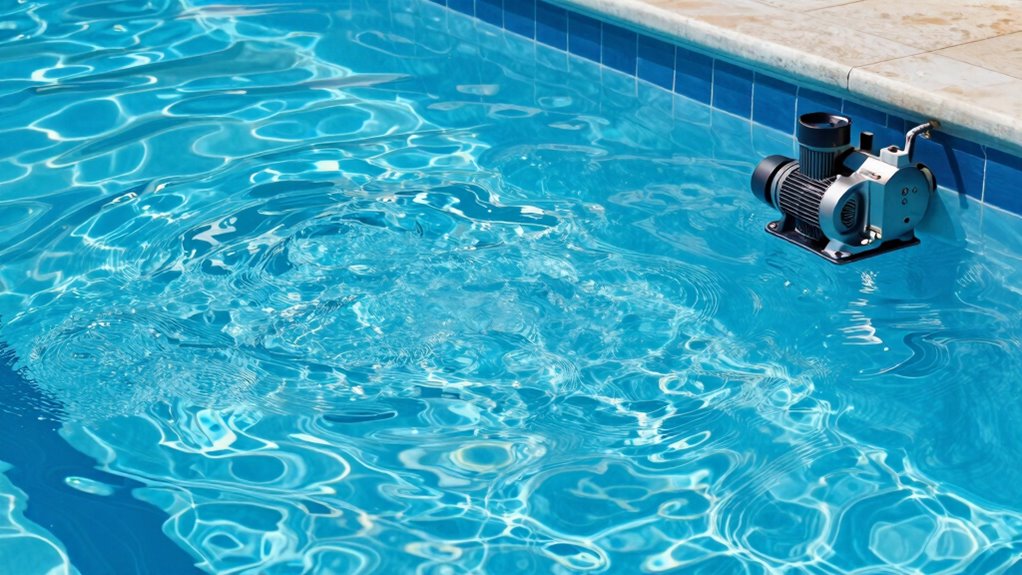

Poor circulation causes water to become stagnant, preventing chemicals from spreading evenly and allowing algae and bacteria to develop before dirt becomes visible. When your pump or filter isn’t working properly, water becomes cloudy and murky, making maintenance harder. Blockages or equipment issues disrupt flow and create dead zones where dirt and algae thrive faster. If you want to understand how to spot and fix these circulation problems early, keep exploring the key factors involved.

Get cleaning gear delivered free with Prime
- Fast, free delivery on millions of items
- Prime Video, Amazon Music and more included
- Member-only deals all year
Key Takeaways
- Poor circulation prevents even distribution of chemicals, leading to localized algae growth and water quality issues.
- Equipment malfunctions like clogged filters or failing pumps cause stagnant zones, not dirt accumulation.
- System design flaws or misaligned components create flow disruptions, initiating pool problems before dirt buildup.
- Stagnant water areas due to circulation issues promote algae and bacteria, making dirt less of a primary concern.
- Regular system maintenance ensures proper flow, addressing problems early before dirt and debris accumulate.
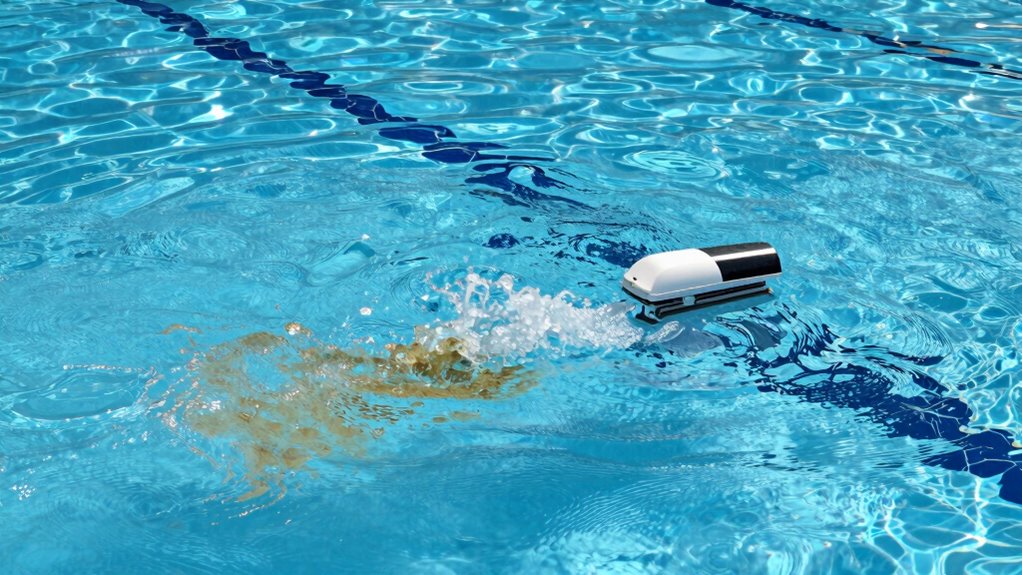
If your pool isn’t circulating properly, you might notice cloudy water, algae growth, or uneven chemical distribution. These issues often stem from poor circulation rather than dirt or debris. When water isn’t moving as it should, it creates a perfect environment for problems to develop. One key factor is chemical imbalance. Without proper water flow, chemicals like chlorine and pH adjusters don’t distribute evenly, leaving some areas under-treated and others over-treated. This uneven chemical spread can lead to algae growth and murky water, making your pool less inviting and harder to maintain.
Poor circulation causes cloudy water, algae, and uneven chemical distribution, making pool maintenance more challenging.
Equipment maintenance plays a critical role in maintaining good circulation. If your pump or filter isn’t functioning correctly, water flow slows or stops altogether. Over time, filters can become clogged with debris, reducing their efficiency and restricting water movement. Likewise, a malfunctioning pump may not generate enough pressure to keep the water circulating throughout the pool. Regular inspection and maintenance of these components are essential. Cleaning or replacing filters, checking for leaks, and ensuring the pump operates at the right capacity help prevent circulation problems before they escalate. Additionally, ensuring proper system design can optimize water flow and prevent common circulation issues.
Your pool’s circulation system depends heavily on the correct operation of valves, skimmers, and return jets. If any of these are blocked or misaligned, water flow becomes uneven, leading to stagnation zones where dirt and bacteria can thrive. Even small obstructions can markedly impact circulation and water quality. It’s important to routinely check these parts for obstructions and ensure they’re functioning properly. Proper equipment maintenance not only keeps the system running smoothly but also extends the lifespan of your pool’s components. Additionally, understanding how water flow influences overall pool health can help in troubleshooting circulation issues more effectively. Proper system setup and operation are crucial, as they directly impact the efficiency of water movement throughout the pool.
Products Worth Considering

Levoit Vital 100S-P Air Purifier with Washable Pre-Filter

Dreame G10 Pro Wet and Dry Vacuum Mop

Dyson Ball Animal 3 Upright Vacuum – Corded, 290 AW, De‑tangling Motorbar Cleaner Head, 3 Suction Modes
As an affiliate, we earn on qualifying purchases.
Frequently Asked Questions
How Often Should I Run My Pool Pump for Optimal Circulation?
You should run your pool pump for about 8 to 12 hours daily to guarantee ideal water flow and circulation. Regular pump maintenance keeps it functioning efficiently, preventing issues caused by poor circulation. During hot or high-use periods, consider running it longer. Consistent operation helps distribute chemicals evenly, reduces algae growth, and keeps your pool clean. Adjust the hours based on your pool size and local climate for the best results.
Can Poor Circulation Cause Algae Growth Even if the Water Appears Clean?
Poor circulation can definitely cause algae growth, even if your water looks clear. When circulation is imbalanced, it creates dead zones where algae can proliferate unnoticed. This means algae proliferation isn’t just about dirt or visible debris; it’s often about how well your pool’s water moves. Ensuring proper pump operation and circulation helps prevent these stagnant spots, reducing algae risk and keeping your pool crystal clear and healthy.
What Are Signs of Inadequate Pool Circulation Besides Cloudy Water?
Signs of inadequate pool circulation include uneven water temperature, stagnant spots, and persistent algae growth despite cleaning. You might notice dirty areas or debris accumulating in certain spots. Poor circulation often results from filter maintenance issues or inefficient pumps, which hinder proper water flow. To prevent these problems, regularly check and maintain your filter and confirm your pump operates efficiently, promoting consistent circulation and a healthier pool environment.
How Does Weather Impact Pool Circulation Effectiveness?
Weather fluctuations and seasonal changes can dramatically impact your pool’s circulation. Sudden drops in temperature slow down water flow, while heat can cause evaporation and stagnation. Rain or wind can introduce debris, disrupting flow patterns. As seasons change, your pool’s filtration efficiency may decline, making circulation less effective. Keep an eye on these weather shifts, and adjust your system accordingly to maintain clear, healthy water year-round.
Are Certain Pool Types More Prone to Circulation Issues?
Certain pool types, like freeform or irregularly shaped pools, are more prone to circulation issues because their design can disrupt circulation patterns. These designs often create dead zones where water stagnates, leading to poor circulation. You should pay close attention to your pool’s design and make certain your circulation system is properly configured to promote even water flow, preventing problems caused by uneven circulation patterns.
Conclusion
So, next time your pool turns green faster than you can say “chlorine,” remember: it’s not just dirt throwing a tantrum. Poor circulation is the real culprit, like a lazy river refusing to flow. Imagine your pool as a stubborn mule — if it doesn’t get moving, dirt just piles up, and you’re stuck with a muddy mess. Keep that water circulating, and your pool stays sparkling — no dirt, no drama.