TL;DR

Get cleaning gear delivered free — and shop member deals
- Fast, free delivery on millions of items
- Access to Prime Big Deal Days deals on October 6–7
- Prime Video, Amazon Music and more included
Cordless stick vacuum cleaners are rechargeable, lightweight vacuums made for quick everyday cleaning on hard floors, stairs, upholstery, and smaller homes. Choose by checking pickup on your floor type, runtime with the tools you will use, battery replacement options, bin design, and filtration—not just advertised suction or maximum runtime. They can replace a corded vacuum for routine cleaning in many smaller homes, while large carpeted spaces may still call for a corded model.
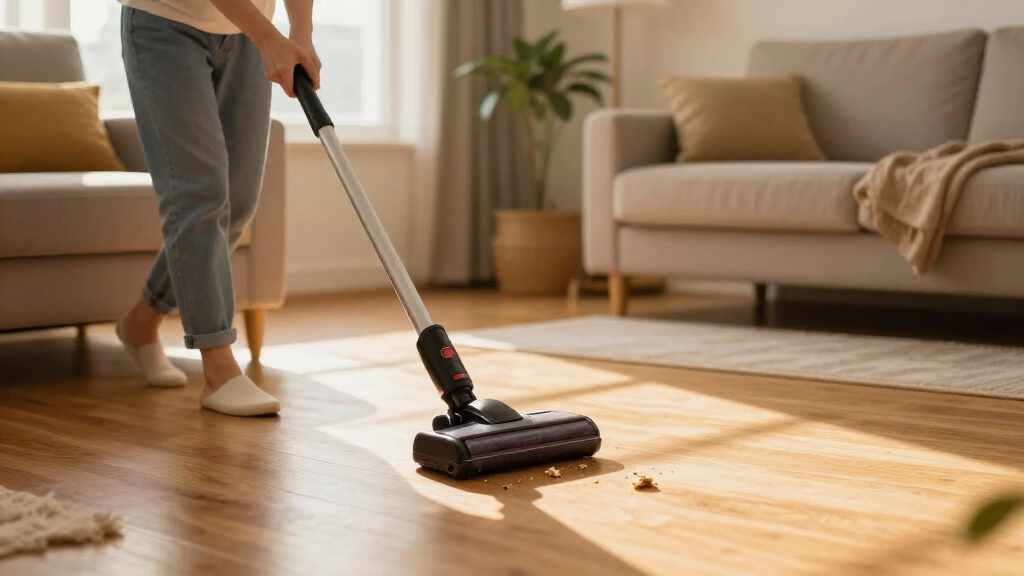
A cordless stick vacuum can turn a trail of cracker crumbs into a two-minute cleanup—or leave you halfway through the hallway, waiting for a battery to charge. The difference often comes down to how well the vacuum matches your floors and routines, not the biggest number printed on its box.
These are rechargeable vacuums designed for quick everyday cleaning. Many convert to handhelds, making it easy to whisk dust off the stairs or crumbs from a car seat. This guide covers where a cordless stick vacuum shines, what runtime figures really tell you, and how to compare features before you buy.
Think of the vacuum as a useful kitchen knife: quick access matters, but the right tool for the job matters too. A compact model may be just the thing for a small apartment with wood floors, while a home with thick carpet and shedding pets may ask more of its battery, brush roll, and bin.
Choose a floorhead that suits your main surface; mixed flooring may call for an effective multi-surface head or automatic adjustment.
Check runtime in the power mode and with the floorhead you expect to use, because maximum advertised runtime may reflect low-power testing.
Look for a removable, replaceable battery and confirm the price and availability of a replacement before buying.
For allergy concerns, assess whole-system sealing, filtration, and how much dust escapes during bin emptying.
Compare bin capacity, roller cleaning, filter costs, warranty, and repair support alongside the purchase price.
A cordless stick vacuum makes quick cleanups easier
A cordless stick vacuum is a lightweight, rechargeable vacuum built for routine cleaning without a power cord trailing behind you. Many models clean hard floors and stairs, and convert into handheld vacuums for furniture or car interiors. That mix of portability and quick access can make daily messes less likely to wait until the weekend.
Picture a small kitchen after breakfast: toast crumbs by the counter, a stripe of cat litter near the mat, and dust along the baseboard. A stick vacuum parked on a dock is easy to grab for a quick pass. A canister vacuum may still clean well, but pulling it from a closet, unwinding its cord, and finding an outlet can make a tiny job feel like a project.
That convenience has a tradeoff. Stick models tend to have smaller dust bins and finite battery life compared with many full-size uprights or canisters. In a compact home with mostly hard flooring, that may barely matter. In a large home, frequent bin emptying and recharging can interrupt a full-house clean.
The useful question is not whether a cordless vacuum can do everything. Ask whether it can handle your most common messes with less effort. If you mostly need fast pickups, it can become the broom you reach for first; if you regularly deep-clean wall-to-wall carpet, you may want a corded vacuum in the closet too.
cordless stick vacuum for hardwood floors
As an affiliate, we earn on qualifying purchases.
As an affiliate, we earn on qualifying purchases.
Compare what matters before you choose a model
The best cordless stick vacuum for your home depends on your flooring, usable runtime, and handling, along with the cost of keeping it running. Compare those details before getting distracted by screens, extra tools, or a headline suction figure; the floorhead and airflow also shape what the vacuum picks up.
| What to check | Why it matters | Everyday example |
|---|---|---|
| Floorhead | Roller design affects pickup on different surfaces. | A soft roller may suit wood floors; carpet may need a brush roll. |
| Runtime by mode | Low-power claims may not match powered-head or boost use. | A short hallway may be easy; a large carpeted room may drain the battery faster. |
| Battery and parts | Replacement availability and price affect the years of use you get. | A removable battery can be handy if yours wears down. |
| Bin and filtration | Capacity, emptying, and system seals affect daily comfort and dust containment. | A low-dust release can help when you empty it in a small kitchen. |
| Weight and storage | Balance, dock size, and included tools affect handling and access. | A compact mount can fit behind a door in a small apartment. |
Use the table as a shortlist, then look for independent pickup tests on flooring like yours. For example, a household with a flat-weave rug and oak floors should check performance on both, not assume that one impressive carpet result predicts hard-floor pickup.
Repair support matters too. Check the warranty, replacement battery price, filter availability, and whether the manufacturer sells brush-roll parts. A bargain can become expensive if a worn battery or broken roller has no practical replacement.
handheld cordless vacuum for car interior
As an affiliate, we earn on qualifying purchases.
As an affiliate, we earn on qualifying purchases.
Read battery claims like a real cleaning plan
Advertised runtime tells you how long a vacuum lasts under the maker’s test conditions; it does not automatically tell you how long it will clean your home. Maximum figures often use the lowest power setting and may leave out a motorized floorhead, while boost mode can drain the battery much faster.
Say the box advertises a long runtime. You use the powered head on medium-pile carpet, switch to boost for a rug by the door, and clean the sofa with a handheld tool. Your session can end sooner than the maximum figure suggests because the attachments and settings change the load. Check the manual or product specifications for runtime by mode and floorhead when that detail is available.
Make a simple plan before shopping: think about the rooms you clean in one go, the floor types in those rooms, and whether you usually use high power. A small studio with hardwood and one runner may need just a brief daily pass. A multi-room home with carpets and pets demands a closer look at powered-mode runtime and recharge time.
- Map your typical clean. List the rooms and surfaces you cover in one session.
- Match the mode. Find runtime information for the power level and floorhead you expect to use.
- Check replacement options. Confirm whether the battery comes out, how much a replacement costs, and whether it is available.
- Allow a margin. If you need nearly every advertised minute to finish, a larger battery or second vacuum may suit you better.
Battery charge and suction strength are separate questions: some vacuums maintain performance until the battery is nearly depleted, while behavior varies by model. Look for a charge indicator and reviews that describe full cleaning sessions rather than relying on a single headline number.
replaceable battery cordless vacuum
As an affiliate, we earn on qualifying purchases.
As an affiliate, we earn on qualifying purchases.
Match the floorhead to your floors and pets
A cordless stick vacuum cleans best when its floorhead suits the surface. Soft rollers often work well on hard floors, while brush rolls help agitate carpet. Homes with both surfaces need a head that handles each effectively or a model that adjusts automatically.
Consider a household with tiled kitchen floors, a wool rug in the living room, and a golden retriever that sheds near the sofa. The soft roller can sweep grit from tile, but the rug may need a powered brush to lift embedded crumbs. A motorized upholstery tool can help with pet hair on cushions; its value depends on how easily you can clear fur from the roller afterward.
Carpet depth also changes the job. Many cordless models manage low- or medium-pile carpet, but deep pile and embedded debris demand more from the motor, brush roll, and battery. Check independent tests on a similar carpet if your rooms are mostly carpeted, and look for notes about pushing the head through thick fibers.
For pets, look past the word “tangle-free.” Check whether long hair wraps around the brush, whether the roller can be removed without a special tool, and whether the bin empties cleanly. A vacuum that gathers hair well but takes ten minutes to cut it off the roller after every use may not feel convenient for long.
If you have mostly hard floors, strong pickup and an easy-to-clean head may matter more than maximum carpet power. If your home mixes surfaces, prioritize adaptable heads and usable runtime across both. Your flooring is the route map; the floorhead determines whether the vacuum can follow it smoothly.
vacuum with multi-surface floorhead
As an affiliate, we earn on qualifying purchases.
As an affiliate, we earn on qualifying purchases.
Filtration and easy emptying can keep cleanup cleaner
Filtration depends on the whole vacuum system, not just a label on one filter. A high-efficiency filter can help capture fine particles, but check whether the vacuum is sealed and whether testing covers the assembled system. Dust can escape through gaps even when a filter itself performs well.
This matters most when you have allergies or simply dislike a puff of dust over the bin. Imagine emptying the vacuum over a kitchen trash can: a well-designed bin opens with a clear release, while a fiddly latch can send fine debris floating back into the room. Check photos and demonstrations of emptying, and see whether you can do it without touching the collected dirt.
Dust capacity shapes the routine too. Stick vacuums generally hold less than full-size models, so a pet owner may need to empty the bin more often. If the bin is transparent, you can see when it is full; if it is cramped or awkward to open, frequent emptying becomes a real inconvenience.
Self-emptying docks reduce manual bin trips, but they add bulk, cost, and another component to maintain. They do not clean filters or brush rolls for you. In a tiny flat, a large dock may consume the space you hoped to save; for someone with a heavy shedding pet, fewer bin-emptying trips may be worth that footprint.
Check the filter, seals, and emptying method together. A filter name alone cannot tell you how much dust the complete vacuum keeps contained.
Follow the maker’s instructions for washing filters, and let washable parts dry fully before reinstalling them. A damp filter can interfere with operation, so give it enough time instead of rushing it back into the machine.
Plan for upkeep so the vacuum lasts longer
A cordless stick vacuum needs routine care: clear hair from the brush roll, clean or replace filters as directed, and check the battery and parts support before buying. Maintenance is part of ownership, because a clogged head or neglected filter can affect how the machine works.
For example, after vacuuming a bedroom where a long-haired dog sleeps, look at the roller before putting the vacuum back on its dock. A few strands are quick to remove; a thick band wound around the brush can be harder to clear later. A removable roller and a tool-free cover can make this small task less frustrating.
Use the instruction manual for cleaning intervals, washing directions, and safe handling. Filters that need washing must dry completely before you put them back. Keep an eye on replacement costs as well: the vacuum may seem affordable upfront, but filters and batteries add to its long-term price.
Storage affects daily use. A compact wall mount keeps the vacuum ready in a small hallway, while a floor dock avoids drilling into a wall. Some models stand upright on their own; many need support, so check that detail if you often pause halfway through cleaning to answer the door or move a chair.
Newer models may add dirt sensors, displays, app links, flexible heads, or self-emptying docks. Those features can help when they solve a real problem, such as showing that a room needs another pass. They also add cost and parts. Choose the features you will use in a normal Tuesday cleanup, not only the ones that look impressive in a product photo.
Frequently Asked Questions
Can a cordless stick vacuum replace a corded vacuum?
It can replace a corded vacuum for routine cleaning in many smaller homes, especially those with hard floors or low-pile rugs. Large, heavily carpeted homes may need a corded upright or canister for longer deep-cleaning sessions.
How long does a cordless vacuum battery really last?
Runtime depends on the power setting, floorhead, cleaning task, and battery condition. Maximum advertised runtime often comes from the lowest setting and may not reflect powered-head carpet cleaning, so check figures for the mode you plan to use.
Can cordless stick vacuums clean carpet?
Many models handle low- or medium-pile carpet, particularly when they have a powered brush roll. Deep-pile carpet and embedded debris are harder, so look for independent pickup tests on flooring like yours.
Are cordless stick vacuums good for pet hair?
They can be, especially with a motorized head designed to resist tangles and a handheld upholstery tool for furniture. Check how easily you can remove hair from the brush roll and empty it from the bin.
What should you check if you have allergies?
Look for a sealed system, effective filtration, and a bin that empties with little dust escaping. A filter label alone does not show whether the whole vacuum keeps fine particles contained.
Are self-emptying docks worth the extra cost?
A self-emptying dock can reduce how often you handle the dust bin, which may help in a home with a shedding pet. It adds expense and takes up space, and you still need to clean filters and brush rolls.
Conclusion
Choose a cordless stick vacuum by matching it to the messes you clean most: your floors, your available cleaning time, and the way you store and maintain it. Check real-world pickup and powered-mode runtime, then confirm that replacement batteries and parts are available.
For quick everyday cleaning, easy access can be worth more than a long feature list. The best model is the one you can grab before the crumbs reach the next room.
Halloween Picks
halloween
As an affiliate, we earn on qualifying purchases.