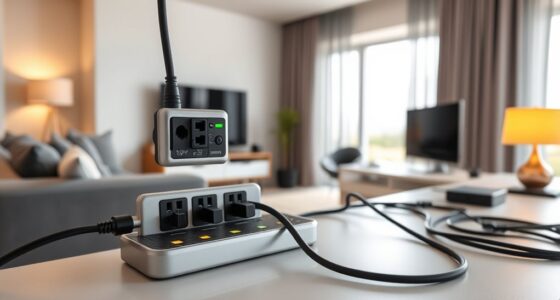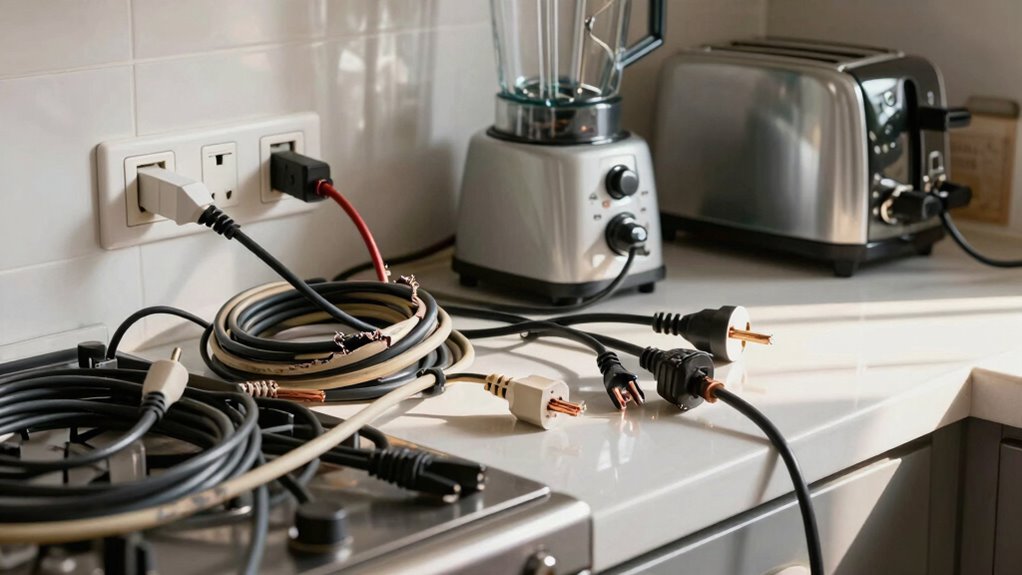
Using cheap extension cords in your kitchen is risky because they often lack important safety features like proper grounding, surge protection, and adequate wire gauges. This increases the chance of electrical shocks, fires, or damaging your appliances. The poor insulation and substandard wiring make these cords especially dangerous in moist environments. Investing in quality cords can prevent long-term damage and safety hazards. Stay with us to discover more about how to protect your appliances and family in the kitchen.

Get cleaning gear delivered free — and shop member deals
- Fast, free delivery on millions of items
- Access to Prime Big Deal Days deals on October 6–7
- Prime Video, Amazon Music and more included
Key Takeaways
- Inexpensive cords often lack proper safety features, increasing the risk of electrical shocks and fires in the kitchen.
- Poor insulation in cheap cords can lead to short circuits and damage to sensitive kitchen appliances.
- Low-quality cords may overheat, causing appliance failure or potential fire hazards in moist environments.
- Substandard wiring in cheap extension cords can compromise appliance performance and longevity.
- Using unsafe cords in the kitchen heightens the risk of electrical accidents and endangers household safety.
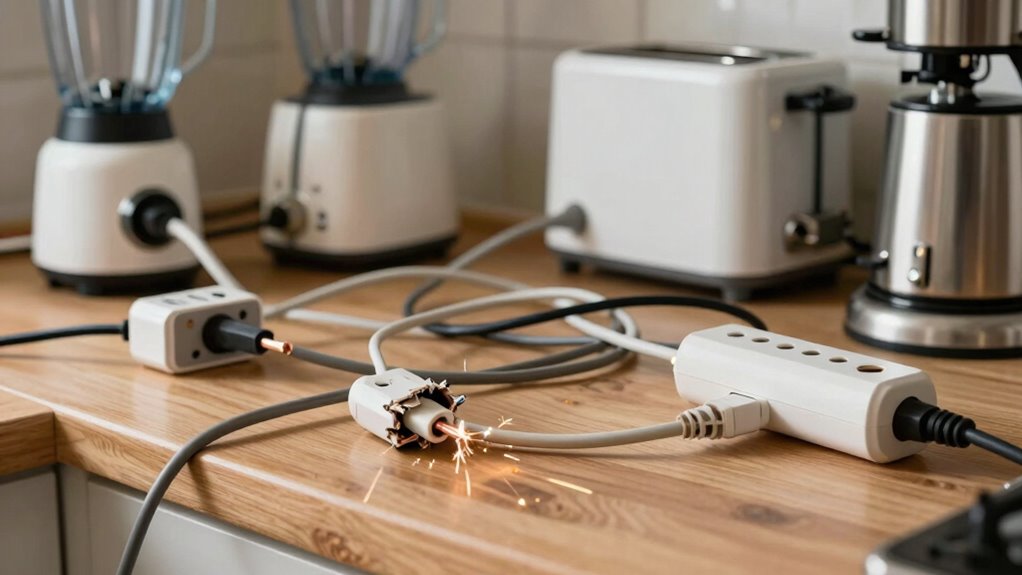
Cheap extension cords usually lack the safety features present in higher-quality options. Features like grounding prongs, surge protection, and proper wire gauges are often missing or subpar in inexpensive cords. Without these safety features, you increase the chance of electrical shock, especially if the cord or outlet becomes damaged. In a kitchen environment, where water and electricity coexist, this is a dangerous combination. You could accidentally spill water on a faulty cord, resulting in shock or electrocution, which can be life-threatening. Additionally, poor insulation in cheap cords further elevates the risk of electrical hazards, especially in moist environments like kitchens. Being aware of electrical safety standards can help you make informed choices and avoid potentially hazardous products. Choosing extension cords that meet established safety regulations ensures better protection and reliability. Furthermore, proper wiring is essential for ensuring the cord can handle the electrical load safely and prevent overheating. In the long run, quality wiring is crucial for preventing overheating and potential fires caused by substandard construction. In the end, the true cost of cheap extension cords and appliances isn’t just monetary. You risk your safety, the safety of your family, and the longevity of your appliances. Investing a little more upfront in quality, properly rated extension cords ensures electrical compatibility and reduces safety hazards. It’s a small price to pay for peace of mind, knowing that your kitchen is a safe environment and your appliances are protected from unnecessary damage. Remember, when it comes to electrical safety, cutting corners isn’t worth it.
high quality extension cords with surge protection
As an affiliate, we earn on qualifying purchases.
As an affiliate, we earn on qualifying purchases.
Frequently Asked Questions
Can Using a Cheap Extension Cord Cause Appliances to Overheat?
Yes, using a cheap extension cord can cause appliances to overheat. Poor cord durability can lead to overheating because the wire may break down or melt under high loads. Additionally, cheap cords often lack voltage stability, causing fluctuations that strain your appliances. This combination increases the risk of overheating, potential damage, or even fire hazards. Always opt for high-quality cords designed for your appliance’s power requirements to guarantee safety and longevity.
What Safety Standards Do Quality Extension Cords Meet?
Quality extension cords meet strict safety standards that guarantee your safety. They have durable cord insulation, preventing electrical shorts and overheating, and feature plug compatibility that fits securely with appliances. These standards, like UL or ETL certification, guarantee the cord’s reliability and safety. By choosing certified extension cords, you reduce risks of electrical hazards and ensure your kitchen appliances operate safely without interruption.
How Do Extension Cord Gauge Sizes Affect Appliance Performance?
Imagine your appliance as a marathon runner; with a thick wire gauge, like a solid road, it gets steady power, ensuring peak performance. Smaller wire gauge, like a narrow alley, struggles to supply enough current capacity, causing your device to lag or overheat. So, choosing the right wire gauge directly impacts your appliance’s performance by providing the appropriate current capacity, preventing frustration and potential hazards.
Are There Specific Extension Cords Recommended for Kitchen Appliances?
Yes, you should choose extension cords with a wire gauge of at least 14 or 12 for kitchen appliances, ensuring they can handle higher current loads safely. Look for cords with durable insulation to prevent damage from heat or moisture. Avoid cheap cords, as they often have thin insulation and inadequate gauge, risking appliance damage or electrical hazards. Always prioritize quality for safety and peak appliance performance.
What Are the Signs of a Damaged or Unsafe Extension Cord?
You’ll notice a damaged or unsafe extension cord if the cord insulation is frayed, cracked, or worn, exposing the wires. Also, watch for overheating, sparks, or a burning smell, which indicate high electrical resistance and potential hazards. If the cord feels hot or the insulation is compromised, stop using it immediately. These signs warn you that the cord’s integrity is compromised, risking electrical shock or fire, so replace it promptly.
grounded extension cords for kitchen appliances
As an affiliate, we earn on qualifying purchases.
As an affiliate, we earn on qualifying purchases.
Conclusion
Using cheap extension cords with your kitchen appliances is like putting a Band-Aid on a broken pipe—it might seem enough at first, but it’ll only lead to bigger problems down the line. These cords can cause overheating, damage your appliances, or even start fires. Protect your investment and keep your kitchen safe by investing in quality cords. Remember, when it comes to appliances, cutting corners now can turn into costly headaches later.
heavy-duty extension cords with proper wiring
As an affiliate, we earn on qualifying purchases.
As an affiliate, we earn on qualifying purchases.
moisture-resistant extension cords for kitchen
As an affiliate, we earn on qualifying purchases.
As an affiliate, we earn on qualifying purchases.
Evergreen bestsellers Picks
bestsellers
As an affiliate, we earn on qualifying purchases.