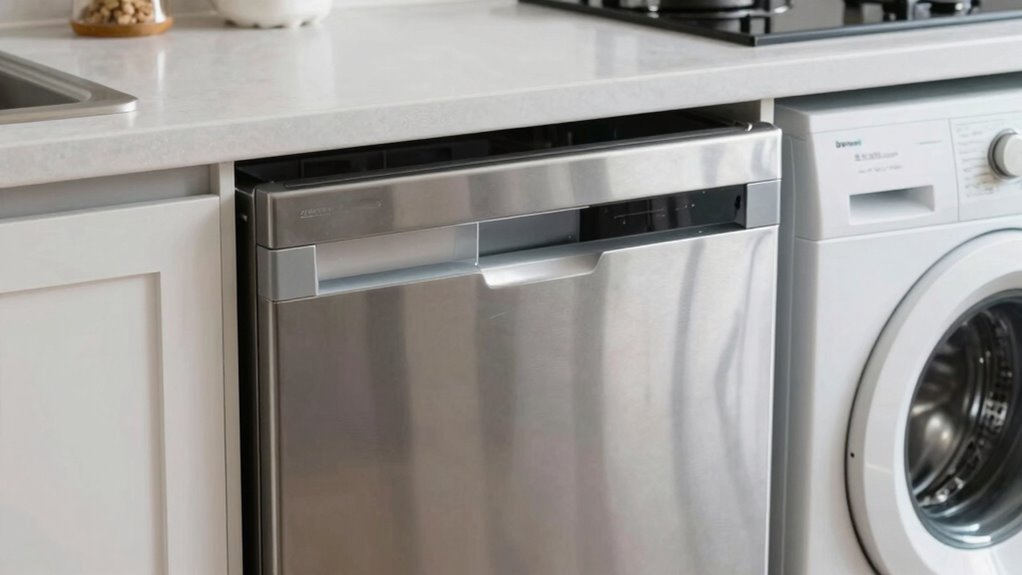

Normal appliance sounds include steady hums from compressors, gentle tumbling from dryers, and predictable water fill or drain noises in dishwashers. Unusual trouble signals are loud rattles, grinding, or banging, which may mean a component is failing. Excessive vibrations or high-pitched squeals often indicate worn belts or debris. Staying alert to these clues helps prevent costly damage. If you keep exploring, you’ll discover how to spot these issues early and keep your appliances running smoothly.
Open a free Amazon Business account
Business pricing, bulk buying and tax-exempt orders.
As an affiliate, we earn on qualifying purchases.
Key Takeaways
- Normal appliance sounds include steady hums, gentle tumbling, and predictable water fill or drain noises.
- Sudden loud rattling, grinding, or banging signals potential mechanical issues needing inspection.
- Excessive vibrations often indicate unlevel positioning or worn shock absorbers requiring adjustment or repair.
- High-pitched squeals or loud banging could point to worn belts or debris in internal components.
- Regular maintenance and early attention to abnormal noises can prevent costly damage and extend appliance lifespan.
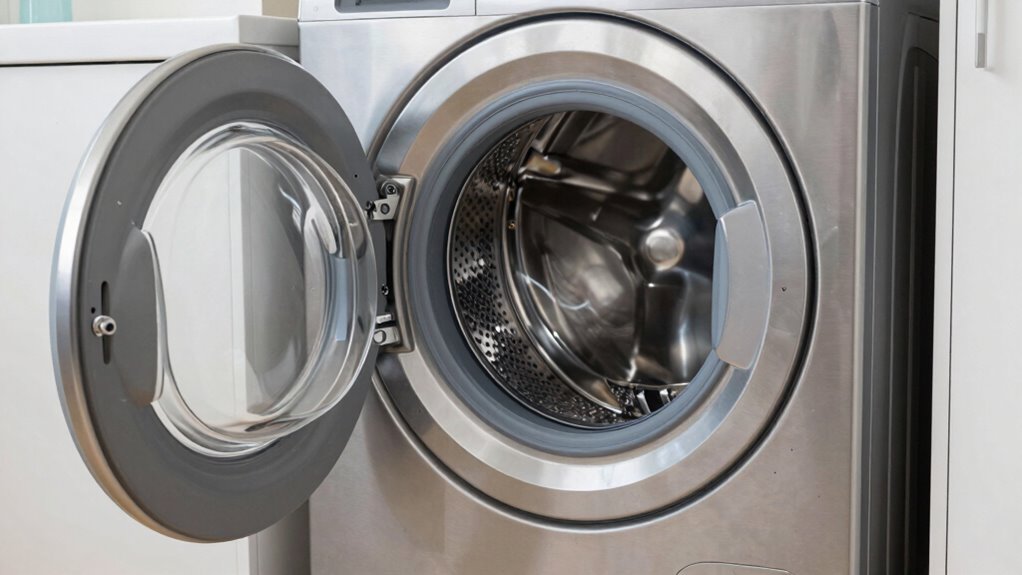
When your appliances start making unusual noises, it’s natural to wonder whether they’re just operating normally or signaling a problem. Most appliances produce some level of sound during operation, but understanding what’s normal can help you catch issues early. Pay attention to sound levels—if your fridge hums steadily without sudden loudness, it’s likely functioning as it should. However, if it suddenly starts producing loud rattling or grinding noises, that’s a sign something may be amiss. Similarly, your washing machine might make a rhythmic banging sound during the spin cycle, which is typical, but if it starts vibrating excessively or makes loud, irregular noises, vibration issues could be to blame.
Unusual appliance noises can signal problems—monitor sound levels and vibrations to catch issues early and prevent costly repairs.
Vibration issues are often a sign of uneven surfaces, worn-out shock absorbers, or unbalanced loads, especially in machines like washers and dryers. When appliances vibrate more than usual, it can lead to additional noise, and over time, it might cause damage to the unit or surrounding structures. It’s important to check for loose or uneven placement of your appliances—sometimes simply leveling them can significantly reduce noise and vibrations. If vibration issues persist, inspecting internal components or consulting a professional might be necessary to prevent further damage. Recognizing appliance vibration problems early can help prevent costly repairs and extend the lifespan of your appliances. Regular maintenance, such as cleaning and inspecting moving parts, can also help mitigate noise-related issues.
In many cases, normal appliance sounds are predictable: a dishwasher’s water fill or drain cycle, the refrigerator compressor’s steady hum, or the dryer’s gentle tumbling noise. These sounds are signs of proper operation. But when you notice sudden increases in sound levels or strange, unfamiliar noises, you should investigate further. For example, a refrigerator that suddenly becomes louder might have a failing compressor or a dirty condenser fan. Likewise, a dishwasher that starts making banging sounds could have a loose spray arm or debris caught in the pump. It’s also helpful to understand that normal appliance sounds often vary slightly depending on the model and age, so some fluctuation is expected. Being aware of typical sound patterns can help you quickly identify when something is amiss.
It’s also crucial to recognize that certain noises can signal impending trouble. For instance, high-pitched squeals from your dryer could indicate worn-out belts, and persistent rattling in your microwave might suggest loose parts. If you notice persistent or worsening noises, it’s best to address them promptly. Ignoring abnormal sounds or vibration issues can lead to more severe damage or costly repairs down the line. Being attentive to early warning signs allows for timely intervention and can save you money on repairs. By understanding what normal sound levels look like and paying close attention to vibration issues, you can keep your appliances running smoothly and extend their lifespan.
appliance noise diagnostic tools
As an affiliate, we earn on qualifying purchases.
As an affiliate, we earn on qualifying purchases.
Frequently Asked Questions
How Often Should My Appliances Be Inspected for Unusual Noises?
You should inspect your appliances regularly, ideally every few months, to catch unusual noises early. Listen for abnormal vibration patterns or strange motor hums, which can indicate problems. If you notice any changes, like increased noise levels or irregular sounds, it’s a good idea to have a professional check them out. Regular inspections help prevent costly repairs and keep your appliances running smoothly and quietly.
Can Appliance Noises Indicate Impending Failure?
Yes, appliance noises can be like warning sirens, signaling impending failure. When you notice unusual sounds, it’s a sign that appliance wear might be taking a toll or that noise troubleshooting is needed. Ignoring these signs can turn minor issues into major breakdowns. So, listen closely to your appliances—they’re trying to tell you something. Addressing odd noises early can save you money and extend their lifespan.
Are There Specific Noises That Are Safe to Ignore?
Some appliance noises, like a background hum from a refrigerator or a gentle clicking from a dishwasher, are safe to ignore. Silent operation is common in modern appliances, indicating efficient functioning. However, if you hear unusual sounds such as grinding, banging, or persistent loud noises, these could signal trouble. Trust your instincts—if the noise feels abnormal, it’s best to get it checked rather than ignore it.
Do Different Brands Produce Different Typical Noise Levels?
Imagine walking into your kitchen and hearing a hum—different brands do vary in their noise levels. Brand comparisons reveal some appliances run whisper-quiet, while others produce louder sounds. Noise level standards help set expectations, but you might notice certain brands prioritize silence, while others pack more power, creating more noise. Keep an ear out for unexpected sounds, but trust that some variation is normal based on brand differences and their design focus.
When Should I Call a Professional for Appliance Noise Issues?
You should call a professional if your appliance’s noise becomes unusually loud, persistent, or worsens over time, especially as it nears the end of its appliance lifespan. Unusual sounds can indicate mechanical issues needing repair. Noise mitigation strategies might help, but a technician can diagnose underlying problems early to prevent further damage. Contact a professional promptly to guarantee your appliance stays safe and functions efficiently.
As an affiliate, we earn on qualifying purchases.
Conclusion
By tuning into your appliances’ sounds, you become the conductor of your home’s symphony. Remember, a gentle hum is like a calm lake—normal and peaceful. But if you hear a grinding or screeching, it’s a warning flag waving in the storm. Your ears are the lighthouse guiding you through the dark waters of appliance trouble. Trust your senses and act swiftly—keeping your home’s melody smooth and trouble-free.
refrigerator compressor noise repair kit
As an affiliate, we earn on qualifying purchases.
As an affiliate, we earn on qualifying purchases.
dishwasher spray arm replacement
As an affiliate, we earn on qualifying purchases.
As an affiliate, we earn on qualifying purchases.
Fall Picks
fall essentials
As an affiliate, we earn on qualifying purchases.