
Choosing eco-friendly small appliances means opting for items made with sustainable materials like recycled metals, biodegradable plastics, and renewable resources such as bamboo. These appliances use energy-efficient motors, helping you save on energy bills and reduce your carbon footprint. Designed for durability and repairability, they promote a circular economy and minimize waste. If you want to discover more about how eco-friendly design can make a difference, keep exploring the options available.
Key Takeaways
- Incorporation of biodegradable plastics and renewable materials like bamboo reduces environmental impact throughout the product lifecycle.
- Energy-efficient motors optimize performance while lowering electricity consumption and carbon emissions.
- Durable, modular designs facilitate repairability and extend appliance lifespan, promoting a circular economy.
- Use of recycled metals and responsibly sourced materials minimizes resource depletion and waste.
- Consumer demand for sustainable appliances drives industry innovation towards eco-friendly manufacturing practices.
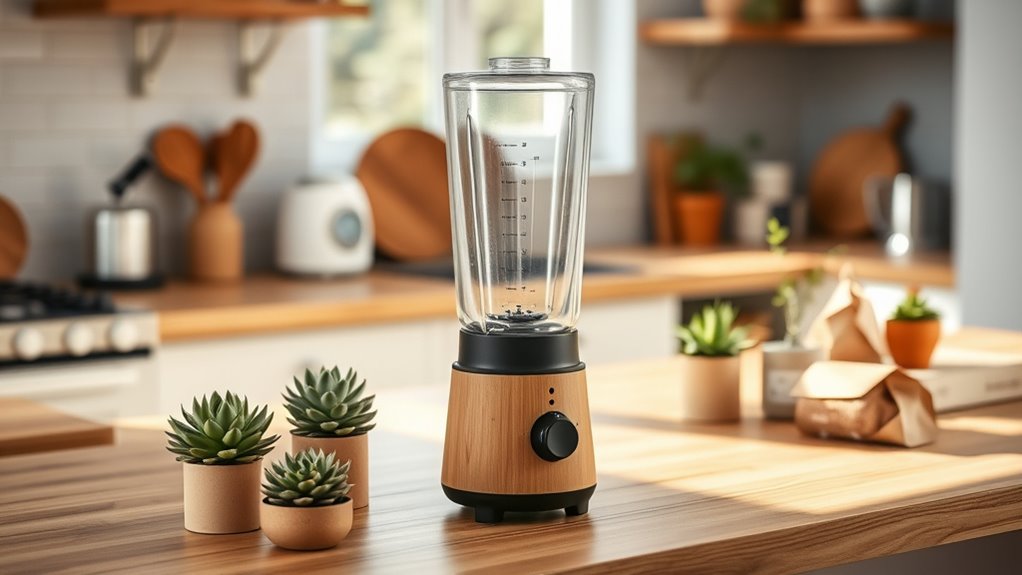
Are you looking for ways to reduce your environmental impact without sacrificing convenience? Switching to eco-friendly small appliances is a smart step forward. Many modern devices now incorporate sustainable materials and innovative designs that help lower your carbon footprint while still delivering the performance you need. One of the key innovations is the use of biodegradable plastics. These materials break down more quickly than traditional plastics, reducing long-term waste and pollution. When you choose appliances made with biodegradable plastics, you’re supporting a cleaner environment and minimizing the amount of plastic that ends up in landfills or oceans. These plastics are often derived from renewable resources, making them a more sustainable choice overall. Coupled with that, many eco-conscious appliances now feature energy-efficient motors, which consume less electricity without compromising power. This means you can enjoy the same functionality and convenience while reducing your energy bills and carbon emissions. These motors are designed to optimize performance and minimize waste, often integrating advanced technology to adapt to your usage patterns. For example, a blender with an energy-efficient motor can blend your smoothies just as quickly as traditional models but with markedly less energy consumption. By choosing appliances with these motors, you’re making a conscious decision to lower your household’s overall energy use, which benefits both the environment and your wallet. Additionally, sustainable materials go beyond plastics. Manufacturers are increasingly incorporating recycled metals, bamboo, and other renewable resources into small appliances, making them more eco-friendly in their entire lifecycle. These materials are often sourced responsibly, ensuring that their environmental footprint is minimized from production to disposal. Sustainable design also emphasizes the importance of creating appliances that are built to last longer and be easily repairable, further reducing waste and supporting a circular economy. Design also plays an essential role in sustainability. Many eco-friendly small appliances are built to last longer, reducing the need for frequent replacements. They often feature modular components that can be repaired or upgraded, extending the appliance’s lifespan and decreasing waste. Compact, multi-functional designs help you save space and energy, making your home more efficient while reducing clutter. By opting for appliances built with sustainability in mind, you’re not only making a positive impact on the environment but also encouraging manufacturers to prioritize eco-friendly practices. This shift in consumer preference can drive innovation and lead to more responsible manufacturing processes across the industry. So, when you’re shopping for small appliances, look for those that highlight biodegradable plastics, energy-efficient motors, and durable, sustainable materials. These choices empower you to create a more sustainable home without sacrificing the convenience and performance you rely on daily. Small changes like this may seem minor, but collectively, they can make a noteworthy difference in reducing your environmental footprint and fostering a healthier planet for future generations.
Frequently Asked Questions
How Do Eco-Friendly Appliances Compare in Energy Efficiency?
Eco-friendly appliances generally use less energy and are more efficient than traditional ones. They often incorporate solar power options, helping you reduce energy consumption and reliance on grid power. By choosing these appliances, you can save money on energy bills and lessen your environmental impact. Their innovative design guarantees maximum performance while maintaining sustainability, making them a smart choice for eco-conscious consumers who want to lower their carbon footprint.
Are Sustainable Materials More Durable Than Traditional Options?
Sustainable materials like biodegradable plastics and recycled metals can be just as durable as traditional options, but it depends on the specific product and usage. You might find that recycled metals provide long-lasting strength, while biodegradable plastics are suited for lighter, everyday items. By choosing appliances made from these materials, you help promote longevity and reduce environmental impact, ensuring your appliances stay reliable over time.
What Certifications Indicate Eco-Friendliness in Small Appliances?
You should look for eco labels and material certifications to identify eco-friendly small appliances. Eco labels like ENERGY STAR, EPEAT, and USDA Organic indicate energy efficiency and sustainable practices. Material certifications such as FSC or Green Guard guarantee the materials used are environmentally responsible and safe. These certifications help you choose appliances with a lower environmental footprint, supporting sustainability while ensuring quality and safety.
Can Eco-Friendly Appliances Be Cost-Effective Long-Term?
Yes, eco-friendly appliances can be cost-effective long-term. You’ll see cost savings through reduced energy and water bills, making them a smart long-term investment. Although they might have a higher upfront cost, their efficiency means you’ll save money over time. Plus, environmentally conscious appliances often last longer and require less maintenance, which further boosts your savings and helps you do your part for the planet.
How Do Design Choices Impact the Recyclability of Appliances?
Design choices greatly impact an appliance’s recyclability. When you prioritize Design for disassembly, it becomes easier to separate components for recycling, reducing waste. Using materials that are recyclable or biodegradable also boosts sustainability. By selecting easily recyclable materials and designing appliances that can be taken apart effortlessly, you help guarantee they’re more eco-friendly at end-of-life, making your choices more sustainable and beneficial for the environment.
Conclusion
By choosing eco-friendly small appliances, you’re not just making a smart choice—you’re joining a movement like Daedalus crafting wings for a greener future. Every sustainable material and thoughtful design helps you reduce your carbon footprint and protect our planet. Remember, small actions ripple outward, shaping a more sustainable world. So, embrace these innovations and become a true steward of the Earth, because, like Icarus soaring higher, your choices can lift us all toward a brighter, greener horizon.