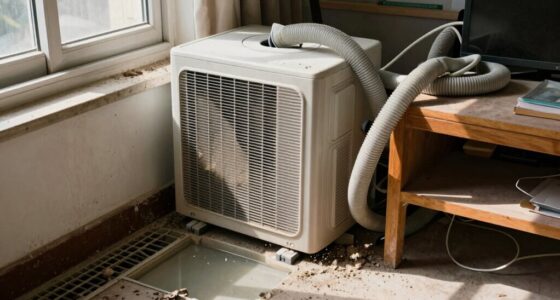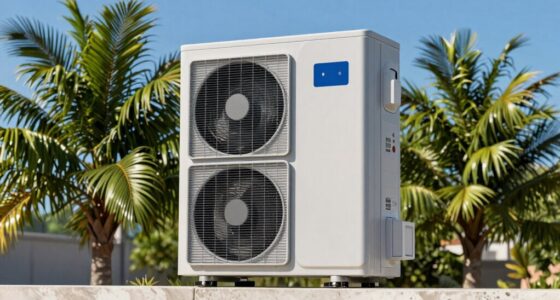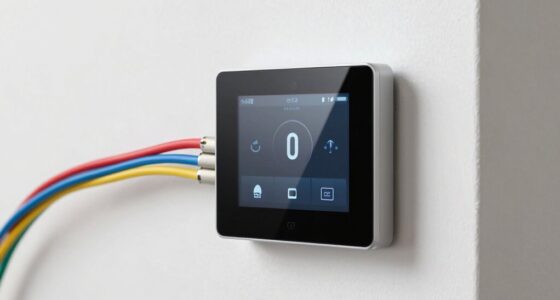

You may notice HVAC units marketed as “quiet,” but their actual noise levels vary based on design, installation, and maintenance. Being aware that “quiet” is often a marketing term helps, as vibrations, rattles, and poor setup can increase noise. Proper installation with sound-dampening features can make a big difference. If you want to understand how to evaluate true noise performance and guarantee a peaceful home, there’s more to discover below.
Listen free for 30 days with Audible
Thousands of audiobooks and originals — cancel anytime.
As an affiliate, we earn on qualifying purchases.
Key Takeaways
- “Quiet” is often a marketing term; actual noise levels vary based on design, installation, and maintenance.
- Proper installation and soundproofing techniques significantly reduce HVAC noise beyond manufacturer claims.
- Noise ratings and measurements provide objective data, helping differentiate between marketing and real performance.
- Quieter HVAC units may not always be more energy-efficient; performance depends on SEER ratings and system compatibility.
- Investing in quality installation and sound-dampening measures ensures long-term noise reduction and home comfort.
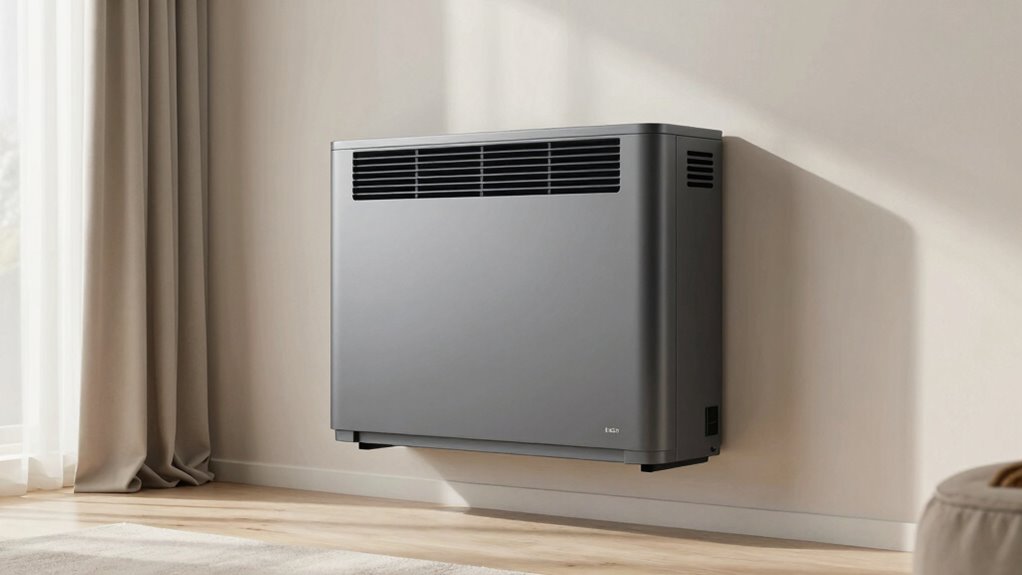
Have you ever been disturbed by the loud noise of your HVAC system? If so, you’re not alone. Many homeowners seek out “quiet” HVAC products to create a more peaceful environment, but it’s important to understand what “quiet” truly means in this context. Manufacturers often promote their units as whisper-quiet, yet the reality can be quite different. The truth is, the noise level of an HVAC system depends on various factors, including the model’s design, installation quality, and how it’s maintained.
When shopping for quiet HVAC products, you might notice that they often promise improved energy efficiency. While a quieter system can sometimes be more energy-efficient, that’s not always the case. Energy efficiency primarily depends on the system’s SEER (Seasonal Energy Efficiency Ratio) rating and how well it’s suited to your home’s size and insulation. A quieter unit doesn’t automatically mean it consumes less energy. In fact, some high-tech, quiet models may have higher installation costs due to specialized components or advanced features aimed at reducing noise. These costs can add up initially, but they might pay off over time if the system runs more smoothly and efficiently.
It’s also vital to recognize that installation plays a key role in how quiet your HVAC system will be. Proper installation can greatly reduce operational noise, while poor installation can lead to vibrations, rattles, or increased sound levels. For example, loose ductwork or improper mounting can amplify noise rather than diminish it. When considering “quiet” HVAC options, you should factor in the expertise of the installer and whether they use sound-dampening materials or vibration isolators. While these additions can increase upfront costs, they contribute to a more peaceful environment and can prevent future issues caused by improper setup. Additionally, understanding noise ratings and how they are measured can help you make more informed choices. Being aware of sound level measurements can guide you toward selecting a system that truly meets your expectations for quiet operation. Furthermore, consulting professional assessments can provide valuable insight into the actual noise performance of different units before purchase.
Knowing about soundproofing techniques can also make a significant difference in creating a quieter home environment, especially in larger or more open spaces. It’s also helpful to consider how vibration control measures can further reduce noise transmission through structural elements. Ultimately, the term “quiet” can be misleading if you’re not careful. It’s essential to look beyond marketing claims and focus on real specifications, installation quality, and long-term energy savings. If you want a system that’s both quiet and efficient, prioritize units with proven sound ratings and work with experienced professionals who understand how to optimize installation for noise reduction. Remember, investing in a high-quality, properly installed HVAC system might cost more initially, but it can lead to lower energy bills, fewer disturbances, and a more comfortable home in the long run.
As an affiliate, we earn on qualifying purchases.
Frequently Asked Questions
Do Quiet HVAC Products Cost More Than Standard Units?
Quiet HVAC products generally cost more than standard units because of advanced noise reduction technology incorporated into their design. The cost comparison shows that these units often have higher upfront prices, but they offer benefits like quieter operation and increased comfort. You might pay a bit more initially, but the improved noise levels and energy efficiency can make the investment worthwhile, especially if a peaceful home environment matters to you.
How Long Do Quiet HVAC Systems Typically Last?
Quiet HVAC systems usually last about 10 to 15 years, depending on maintenance and usage. Their lower noise levels often mean they operate more smoothly, which can contribute to greater energy efficiency and longer lifespan. Regular servicing helps maintain their quiet operation and efficiency over time. Keep an eye on components, and your quiet system should serve you well for many years, providing comfort without loud disruptions.
Are Quiet HVAC Units Suitable for Large Commercial Spaces?
Quiet HVAC units are like whispering giants, making them suitable for large commercial spaces. They excel in noise reduction, guaranteeing your environment stays peaceful. Plus, their energy efficiency helps cut down operating costs, which is vital for big areas. If you want to maintain comfort without loud disruptions, these systems are a smart choice. Just make sure you select models designed specifically for commercial use to maximize their benefits.
Can Quiet HVAC Products Improve Indoor Air Quality?
Quiet HVAC products can improve indoor air quality by incorporating advanced air filtration systems that remove pollutants effectively. Their noise reduction features create a more comfortable environment, encouraging consistent use and proper ventilation. You’ll notice less distraction and better air circulation, making these units ideal for maintaining healthy indoor spaces. Overall, choosing quiet HVAC solutions helps you achieve cleaner air while enjoying a peaceful, quieter environment.
What Maintenance Is Required for Quiet HVAC Systems?
Did you know that regular maintenance can extend your quiet HVAC system’s lifespan by up to 30%? To keep your system operating with ideal noise reduction, follow a consistent maintenance schedule. This includes changing filters monthly, inspecting ducts for debris, cleaning vents, and scheduling professional check-ups annually. Proper upkeep ensures your system remains quiet, efficient, and reliable, making your indoor environment more comfortable and peaceful.
As an affiliate, we earn on qualifying purchases.
Conclusion
So, as you consider quiet HVAC options, remember that the truth often hides behind marketing claims. The real secret lies in understanding what truly reduces noise without sacrificing performance. Are you ready to uncover the hidden details that can make or break your comfort? Don’t settle for silence alone—dive deeper, ask the right questions, and discover the product that quietly transforms your space in ways you never expected. The quiet revolution is just beginning.
As an affiliate, we earn on qualifying purchases.
As an affiliate, we earn on qualifying purchases.
Flea & tick season Picks
flea and tick prevention
As an affiliate, we earn on qualifying purchases.