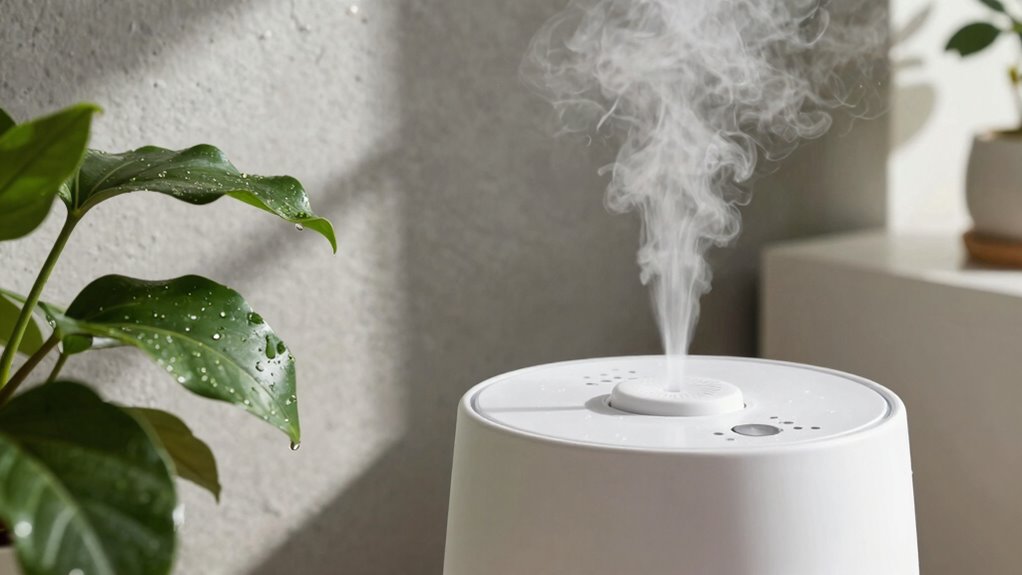

Controlling indoor humidity is often overlooked but essential for true comfort. When humidity is just right—around 30-50%—you’ll breathe easier, prevent mold, and reduce allergies. It also helps maintain a balanced indoor air quality, keeps your home protected, and cuts energy costs. Without proper humidity levels, you may feel clammy or stuffy or suffer from dry skin. Keep in mind, mastering humidity might be the key to making your home genuinely comfortable; there’s more to discover.
Key Takeaways
- Humidity control balances indoor air, reducing allergens and pollutants for healthier, more comfortable living environments.
- Proper moisture levels prevent mold growth, protecting property and reducing health risks.
- Maintaining ideal humidity alleviates dry skin, respiratory issues, and static shocks, enhancing personal comfort.
- Regulating humidity improves energy efficiency by stabilizing indoor temperatures and reducing heating/cooling needs.
- Balanced moisture creates a healthier, fresher indoor atmosphere, promoting overall well-being and comfort.
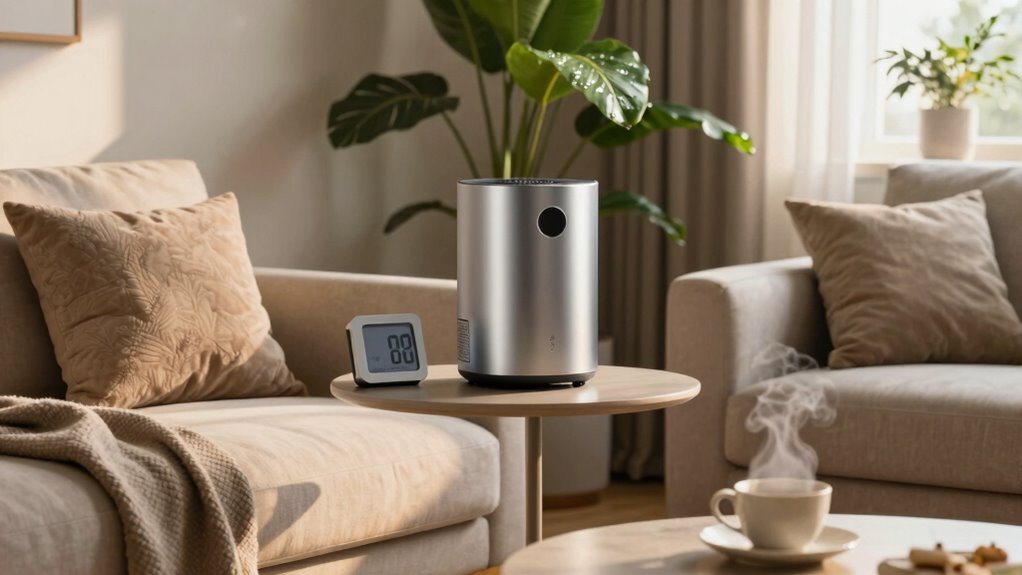
Maintaining proper humidity levels is essential for guaranteeing comfort in your indoor environment. When humidity is too high or too low, it can affect how comfortable you feel and can even impact your health. One of the key reasons to control humidity is to improve indoor air quality. Proper humidity levels help keep the air fresh and balanced, preventing the buildup of pollutants and allergens that can circulate and cause respiratory issues or allergies. When humidity is managed well, you breathe easier, and your overall indoor air quality improves, making your space healthier and more comfortable.
Maintaining proper humidity improves air quality and promotes a healthier, more comfortable indoor environment.
Another important aspect of humidity control is mold prevention. Mold thrives in environments where moisture levels are consistently high. If you don’t keep humidity in check, you risk creating the perfect environment for mold spores to grow on walls, furniture, or other surfaces. Mold not only damages your property but also poses serious health risks, especially for those with asthma or allergies. By maintaining a balanced humidity level—generally between 30% and 50%—you can considerably reduce the chances of mold developing indoors. This not only preserves your home’s integrity but also ensures a healthier living space for you and your family.
Controlling humidity isn’t just about comfort; it’s about creating a healthier environment. When the air is too dry, you may notice dry skin, irritated sinuses, or static shocks. If the air is overly humid, you might experience a clammy feeling, increased dust, and the growth of mold. Using a humidifier or dehumidifier allows you to fine-tune the moisture in your home, guaranteeing it remains within the ideal range. These devices help you maintain consistent indoor air quality, which directly influences your comfort and well-being. Proper humidity management can also help reduce energy costs by making your home feel more thermally comfortable at lower temperatures. Additionally, controlling humidity helps prevent airborne pollutants from circulating, which can further improve your home’s air quality. It’s also beneficial to be aware of ventilation practices, as good airflow can assist in maintaining optimal humidity levels and further enhance indoor air quality.
In addition, managing humidity can make your home feel more comfortable overall. Proper moisture levels prevent the air from feeling stale or oppressive, adjusting the sensation of temperature and reducing the need for excessive heating or cooling. This can lead to energy savings and a more balanced indoor climate. When you keep humidity in check, you’re not just improving comfort—you’re actively protecting your home and health by reducing mold risks and promoting better indoor air quality. Creating a balanced indoor environment also supports the overall health of your household by minimizing the presence of airborne contaminants. This is especially important because indoor air quality can be significantly affected by humidity levels. It’s a simple step that makes a big difference in how you experience your living space every day.

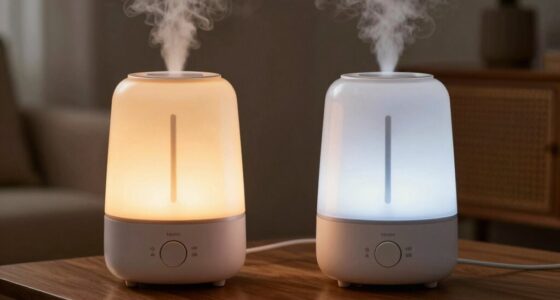
Levoit Top Fill Humidifiers for Bedroom, 2.5L Tank for Large Room, 28dB
- Long Runtime: Up to 25 hours on low setting
- Top Fill Design: Easy to refill without spills
- Large 2.5L Capacity: Provides continuous humidification
As an affiliate, we earn on qualifying purchases.
As an affiliate, we earn on qualifying purchases.
Frequently Asked Questions
How Does Humidity Affect Indoor Air Quality?
Humidity directly impacts indoor air quality by influencing airborne allergens and indoor mold growth. When humidity is too high, it creates a perfect environment for mold, which can worsen allergies and respiratory issues. Conversely, low humidity can cause dry skin and irritate your respiratory system. Maintaining ideal humidity levels helps reduce airborne allergens and mold, improving overall air quality, and creating a more comfortable, healthier indoor environment for you.
What Are the Health Risks of Improper Humidity Levels?
You’re playing with fire if you ignore improper humidity levels, as it can trigger humidity-related allergies and promote mold growth, which harms your health. Excess humidity creates a breeding ground for mold, worsening respiratory issues, while low humidity causes dry skin and irritation. Keeping humidity in check protects you from these risks, ensuring better indoor air quality and a healthier environment. Don’t let humidity be your silent threat.
Can Humidity Control Reduce Energy Costs?
Yes, humidity control can reduce energy costs by improving energy efficiency in your home. When humidity levels are properly maintained, your heating and cooling systems don’t have to work as hard, leading to cost savings on utility bills. By optimizing indoor moisture, you create a more comfortable environment and lower your energy consumption, making humidity control a smart investment for both comfort and savings.
What Are the Signs of Humidity Imbalance at Home?
Did you know that over 50% of homes face humidity imbalance issues? You’ll notice musty odors, condensation on windows, or mold growth as signs. Using humidity sensors helps monitor indoor moisture levels, while dehumidification methods like vents or dehumidifiers can restore balance. If you experience these signs, addressing humidity imbalance improves comfort, prevents damage, and promotes healthier air quality in your home.
How Do Different Climates Influence Humidity Management Strategies?
Different climates demand tailored humidity management strategies. In dry areas, you should focus on humidity optimization by adding moisture to prevent dryness and static. Conversely, in humid regions, climate adaptation involves reducing excess moisture to prevent mold and discomfort. Understanding your local climate helps you adjust your humidity control methods effectively, ensuring consistent comfort year-round. Properly managing humidity in relation to your climate enhances overall well-being and maintains your home’s health.
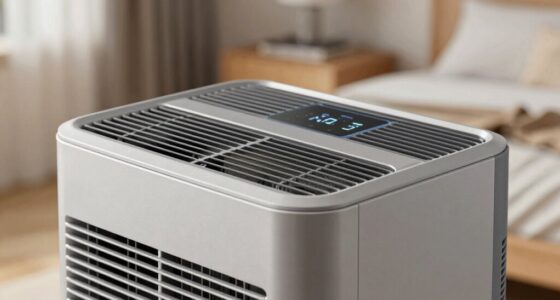
dehumidifier for home moisture control
As an affiliate, we earn on qualifying purchases.
As an affiliate, we earn on qualifying purchases.
Conclusion
So, next time you’re obsessing over the perfect temperature, remember—humidity control is the uninvited guest at your comfort party. Ignore it, and you’ll just be sweating or shivering through a false sense of coziness. Who knew that managing moisture levels could make all the difference? It’s almost like the secret ingredient that turns a decent room into a sanctuary. So, don’t overlook the ‘missing half’—your comfort’s sneaky best friend.
As an affiliate, we earn on qualifying purchases.
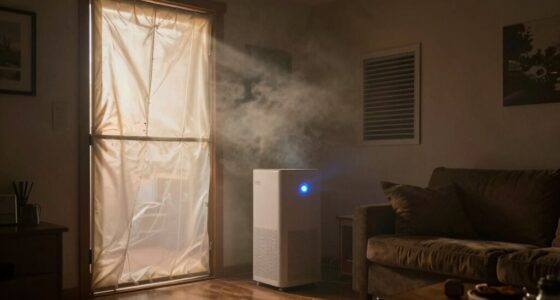
home mold prevention dehumidifier
As an affiliate, we earn on qualifying purchases.
As an affiliate, we earn on qualifying purchases.