
TL;DR

Get cleaning gear delivered free with Prime
- Fast, free delivery on millions of items
- Prime Video, Amazon Music and more included
- Member-only deals all year
The best quiet mini split condensate pump quietly handles condensate volume, resists vibration, and fits your installation space. Proper selection improves comfort and system reliability.
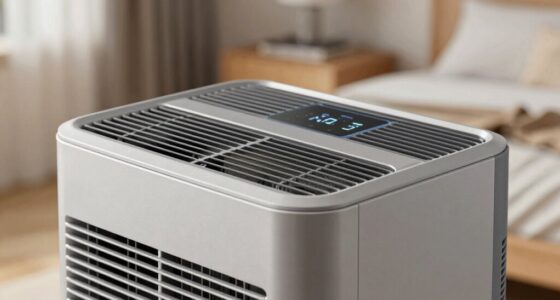
Imagine a tiny, humming machine running silently behind your wall, almost impossible to hear. That’s the goal when selecting a quiet mini split condensate pump. These pumps drain the condensation from your mini split without creating a disruptive noise or vibration.
Whether you’re trying to keep a bedroom peaceful or an office calm, finding a pump that quietly handles your air conditioner’s condensate is key. In this article, you’ll learn what makes a pump truly silent, how to choose one that fits your needs, and what pitfalls to avoid. No fluff—just practical advice to keep your space peaceful and your system running smoothly.
Vibration isolation and proper installation are key to true quiet operation.
Reservoirless diaphragm pumps tend to run more smoothly and quietly than reservoir-and-float models.
Select a pump with capacity exceeding your condensate volume and lift requirements.
Regular maintenance prevents noise increase and prolongs pump life.
Latest models with electronic sensing and variable speed significantly reduce cycling noise.
What Makes a Mini Split Condensate Pump Truly Quiet?
When a pump claims to be ultra-quiet, it’s not just about the advertised decibel level. Real quietness depends on how the pump handles vibration, its design, and installation. A pump might be rated at 16 dB but still produce noise if it’s touching a wall or vibrating against a metal line.
For example, a common culprit is a pump vibrating through the mounting surface, amplifying sound in hollow walls. The secret to true silence? Vibration isolation—using soft mounts, flexible tubing, and remote placement. A pump that runs smoothly with minimal start-stop cycling and avoids contact with rigid surfaces is your best bet for low noise.
Understanding why vibration matters is crucial: even a small vibration can be transmitted as sound through walls or cabinets, turning what seems like a silent pump into a source of annoyance. Moreover, the start-stop cycling, especially in reservoir-based models, can generate intermittent noise that disrupts quiet environments. Therefore, selecting a pump with good vibration damping and a design that minimizes cycling is key to maintaining a peaceful space.
As an affiliate, we earn on qualifying purchases.
Top Features to Look for in a Quiet Mini Split Condensate Pump
Choosing a pump isn’t just about noise ratings. Think about these features to ensure your pump remains whisper-quiet and reliable:
- Vibration isolation mounts that prevent sound transfer into walls or ceilings.
- Reservoirless diaphragm design for smoother operation and fewer start-stop noises, which reduces mechanical wear and intermittent noise sources.
- Flexible discharge tubing that absorbs vibrations and prevents noise transmission, which is especially important if the pump is mounted on rigid surfaces.
- Automatic safety switches that shut off the pump before it gets noisy or overflows, preventing abrupt cycling caused by overflows or blockages.
- Compact size and discreet mounting options that keep your installation hidden and minimize vibration transfer through structural contact.
For example, the Aspen Silent+ Mini Aqua Gen 5 boasts a 16 dB noise level combined with a reservoirless diaphragm design, which reduces start-stop cycling and vibration. Its integrated vibration dampers further minimize noise transmission, making it nearly inaudible in typical settings. These features collectively contribute to a quieter, more reliable operation, especially in sensitive spaces.
vibration isolation condensate pump
As an affiliate, we earn on qualifying purchases.
As an affiliate, we earn on qualifying purchases.
How to Pick the Right Pump for Your Mini Split System
Picking the right pump involves matching its specs to your mini split’s needs. Here’s a step-by-step process:
- Calculate your condensate volume. Typical mini splits produce about 40 liters per hour, but humid weather can boost this, making capacity crucial to avoid overworking the pump and causing noise from cycling or strain.
- Measure the maximum vertical lift and discharge distance. Most pumps handle 10-20 feet of lift, but exceeding this can cause strain, increased noise, and potential failure. Choosing a pump with appropriate capacity ensures smooth operation and reduces mechanical stress that could generate noise.
- Compare noise levels—aim for 16-20 dB for bedrooms or quiet spaces. Remember, real-world noise can be amplified by vibrations and installation conditions, so prioritize vibration damping features.
- Ensure the pump’s flow rate exceeds your system’s condensate output. Underpowered pumps will cycle more frequently, increasing noise and wear.
- Verify the pump’s compatibility with your system’s voltage and safety requirements to prevent electrical noise and ensure reliable operation.
For instance, if your mini split is in a basement with a 15-foot vertical lift, select a pump with a lift capacity matching or exceeding that to avoid strain and noise increase. The Aspen Silent+ Mini Aqua Gen 5, with a flow rate of 9.25 GPH and lift capacity up to 136,000 BTU, offers a good balance of capacity and quiet operation, ensuring it can handle your setup without producing excessive noise or strain.
reservoirless diaphragm condensate pump
As an affiliate, we earn on qualifying purchases.
As an affiliate, we earn on qualifying purchases.
Understanding the Difference: Reservoirless Diaphragm vs Reservoir Pumps
Reservoirless diaphragm pumps are often quieter because they eliminate float switches and reservoirs that can cause abrupt cycling. They run smoothly, with less start-stop noise, making them ideal for quiet environments. Their design minimizes the mechanical components that generate noise during operation, leading to a more consistent and silent performance.
Traditional reservoir-and-float models work well but might produce more noticeable clicks and vibrations during operation. The float switch can cause sudden activation or deactivation, creating intermittent noise that can be disruptive, especially in quiet spaces like bedrooms or offices. While reservoirs might simplify maintenance and prevent overflows, their propensity for cycling noise makes reservoirless models more suitable where silence is paramount. Installing a reservoirless pump in a bedroom closet, for example, can significantly reduce operational noise, providing a near-silent experience even during continuous operation.
The choice between the two hinges on your environment and maintenance preferences. Reservoirless pumps often require less upkeep but demand precise installation to prevent issues like backflow or blockages, which could otherwise cause noise or failure.
mini split AC condensate pump with low noise
As an affiliate, we earn on qualifying purchases.
As an affiliate, we earn on qualifying purchases.
Installation Tips to Keep Your Pump as Quiet as Possible
A well-installed pump is often quieter than a poorly mounted one. Here are some practical tips:
- Use soft vibration dampers or pads under the pump to absorb shocks and vibrations that could be transmitted as noise.
- Mount the pump on a solid, non-rigid surface away from walls or cabinetry to prevent vibration transfer into structures.
- Run flexible tubing to absorb vibrations and prevent noise from rigid connections, especially if the pump is mounted on a hard surface.
- Position the pump away from living areas, such as inside a closet or behind a wall, to minimize noise transmission.
- Ensure the discharge tubing has no kinks and is properly supported to avoid rattling and vibration transfer.
For example, placing a pump on a rubber pad inside a dedicated cabinet can significantly reduce noise. Routing discharge lines through flexible fittings and supports minimizes vibration transfer and keeps your space peaceful, especially when combined with vibration damping materials. Proper installation not only reduces noise but also extends the lifespan of your pump by preventing undue stress and wear.
Maintaining Your Pump for Long-Lasting Quiet Performance
Even the quietest pumps need some TLC. Regular maintenance keeps noise levels down and prevents failures. Here’s what to do:
- Check and clean the drain pan, sensor, and float chamber monthly. Dirt or buildup can cause the pump to cycle irregularly or produce noise.
- Inspect tubing for cracks or kinks that could cause noise or leaks. Damaged tubing can lead to vibrations and increased operational noise.
- Test safety alarms and high-water shutoffs quarterly to ensure they activate correctly, preventing overflows that might cause abrupt cycling or noise.
- Replace peristaltic tubing as recommended—usually every 1-2 years—to maintain smooth operation and reduce noise caused by worn parts.
- Avoid harsh chemicals like bleach or acids that can damage seals or tubing, leading to leaks or increased noise over time.
For example, a homeowner notices a slight increase in noise after six months. A thorough cleaning and replacing worn tubing not only restores quiet operation but also prevents future issues, extending the lifespan of the pump and maintaining a peaceful environment.
Latest Innovations: Making Pumps Quieter and More Reliable
Recent advancements focus on reducing mechanical noise and vibrations. Manufacturers now incorporate electronic water sensing, which allows pumps to operate only when necessary, significantly reducing cycling noise and unnecessary wear. Vibration-dampening materials and smaller, more compact designs help hide the pump and muffler sounds, contributing to a more discreet operation.
For example, new models like the Aspen Silent+ Mini Aqua Gen 5 feature variable-speed operation, which adjusts pumping based on condensate volume. This prevents abrupt starts and stops, further reducing noise and mechanical stress. These innovations not only improve quietness but also enhance reliability by reducing wear and tear on moving parts.
It’s important to recognize that claims like “silent” or “ultra-quiet” are often marketing terms; the actual quietness depends heavily on proper installation and design that minimizes vibration and mechanical noise. Real-world performance is what counts, and choosing a pump with advanced features and a solid reputation can make a significant difference in maintaining a peaceful environment.
Comparison Table: Top Quiet Mini Split Condensate Pumps
| Model | Flow Rate | Noise Level | Voltage | Compatibility | Size | Comments |
|---|---|---|---|---|---|---|
| Aspen Silent+ Mini Aqua Gen 5 | 9.25 GPH | 16 dB | 100-250V | Mini split, HVAC | Compact | Very quiet, reservoirless, vibration dampers |
| Mini Split Silent Pump 100-240V | 10.6 GPH | <19 dB | 100-240V | Mini split, HVAC | Small wall-mount | Reliable, quiet, simple setup |
| Cleartide Mini Split HVAC Pump | 10.6 GPH | 23 dB | 110V/240V | HVAC systems | Standard size | Affordable, slightly noisier |
Frequently Asked Questions
What is the quietest condensate pump for a bedroom mini split?
The Aspen Silent+ Mini Aqua Gen 5 stands out with a 16 dB noise level, making it one of the quietest options for bedrooms. Its reservoirless design and vibration dampers help it operate almost invisibly.Are “silent” condensate pumps genuinely inaudible?
Claims like “silent” or “ultra-quiet” are marketing terms. The real quietness depends on installation, vibration control, and pump design. A well-installed, vibration-isolated pump can run so quietly you hardly notice it.Can vibration be eliminated without replacing the pump?
Yes. Using soft mounts, flexible tubing, and placing the pump away from walls or ceilings can drastically reduce vibration transfer and noise. Proper mounting often makes more difference than changing the pump itself.How much vertical lift should my pump handle?
Most mini split condensate pumps handle lifts up to 20 feet. Always measure your setup carefully and choose a pump with a lift capacity matching or exceeding your maximum vertical distance to prevent noise and failure.Does a reservoirless pump produce less noise than a reservoir model?
Generally, yes. Reservoirless diaphragm pumps run more smoothly with fewer start-stop cycles, resulting in less noise. They’re often preferred in quiet spaces like bedrooms or offices.Conclusion
The secret to a truly quiet mini split condensate drain lies in choosing the right pump and installing it thoughtfully. A well-isolated, properly sized pump can run silently in the background, letting you forget about it.
Remember, where possible, a gravity drain remains the most peaceful and dependable option. But if a pump is needed, prioritize vibration isolation and maintenance for a noise-free experience. Your peaceful space depends on it.
Fall Picks
fall essentials
As an affiliate, we earn on qualifying purchases.