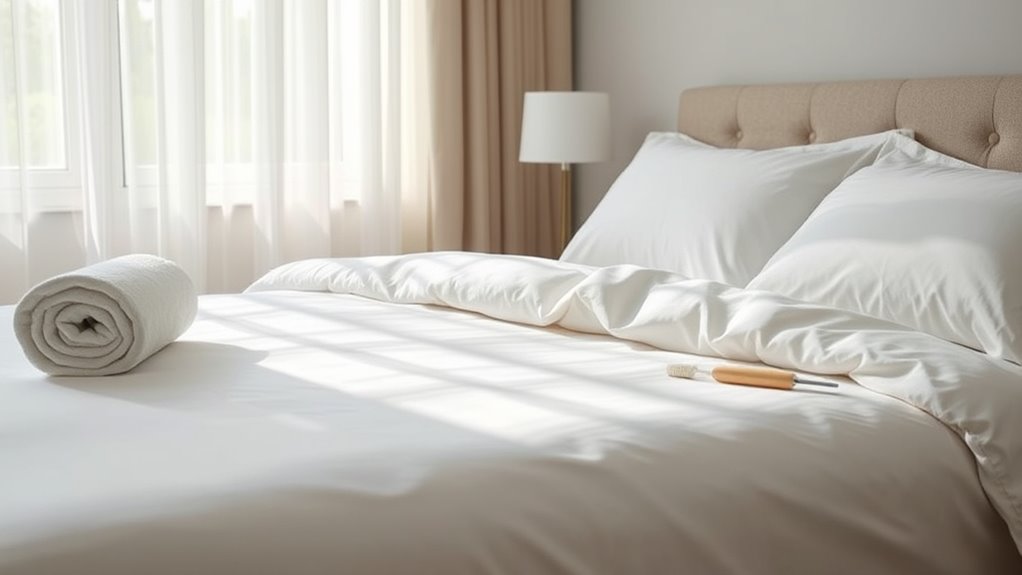

To keep your bed clean, vacuum your mattress weekly and wash removable covers regularly. Flip or rotate your mattress every few months to promote even wear. Wash pillows every 3-4 months and use pillow protectors for added defense. Keep dust and allergens at bay by ensuring proper ventilation and washing bedding often. Regularly inspecting and replacing worn pillows also helps. If you follow these steps, you’ll create a fresh, healthy sleep space—more tips await to help you achieve ultimate cleanliness.

Get cleaning gear delivered free — and shop member deals
- Fast, free delivery on millions of items
- Access to Prime Big Deal Days deals on October 6–7
- Prime Video, Amazon Music and more included
Key Takeaways
- Regularly vacuum and vacuum with upholstery attachment to remove dust, dirt, and allergens from the mattress surface.
- Wash removable covers, pillowcases, and bedding weekly to eliminate stains, dirt, and allergens effectively.
- Flip or rotate your mattress every 3–6 months to promote even wear and prevent sagging.
- Wash pillows every 3–4 months and dry thoroughly to remove bacteria, fungi, and dust mites.
- Use mattress and pillow protectors, ensure proper ventilation, and inspect for wear to maintain a clean, healthy sleep environment.

Keeping your bed clean is essential for a healthy and comfortable sleep environment. Your mattress, pillows, and bedding all play a role in ensuring you rest well and avoid health issues caused by dust, allergens, or bacteria. One of the first steps is regular mattress maintenance. Over time, dust mites, sweat, and skin cells accumulate on your mattress, which can lead to allergies or respiratory problems. To keep it fresh, vacuum your mattress weekly using the upholstery attachment. This removes surface dust and prevents buildup. If your mattress is washable or has a removable cover, wash it according to the manufacturer’s instructions to eliminate dirt and stains. Consider flipping or rotating your mattress every three to six months to promote even wear and prevent sagging, which can affect your sleep quality. Using a mattress protector is also a smart move, as it acts as a barrier against spills, sweat, and dust mites, making ongoing mattress maintenance easier and more effective. Additionally, proper ventilation in your bedroom helps reduce moisture and mold growth, contributing to overall cleanliness.
Pillow hygiene is equally important in maintaining a clean bed. Pillows can harbor bacteria, fungi, and allergens, especially if you don’t wash them regularly. You should aim to wash your pillows at least every three to four months, following the care label instructions. Most pillows today are machine washable; use warm water and a gentle detergent to remove oils, sweat, and allergens. Adding an extra rinse cycle helps ensure all soap residues are gone, which is important for sensitive skin. Dry your pillows thoroughly in a low-heat dryer or air dry them completely to prevent mold and mildew growth. Fluff your pillows daily to keep them comfortable and maintain their shape, which also helps distribute the filling evenly.
Maintaining good pillow hygiene isn’t just about washing. Consider using pillow protectors that can be washed frequently, adding an extra layer of defense against dirt and allergens. Regularly inspecting your pillows for signs of wear or flattening can help you decide when it’s time to replace them. Combining consistent pillow hygiene with mattress maintenance creates a healthier sleeping environment, reducing allergens and ensuring you wake up feeling refreshed and free of irritations. Ultimately, staying on top of these tasks doesn’t take much time but makes a significant difference in the cleanliness and comfort of your bed. When you prioritize mattress maintenance and pillow hygiene, you’re investing in better sleep and overall health, making your bedroom a true sanctuary for rest.
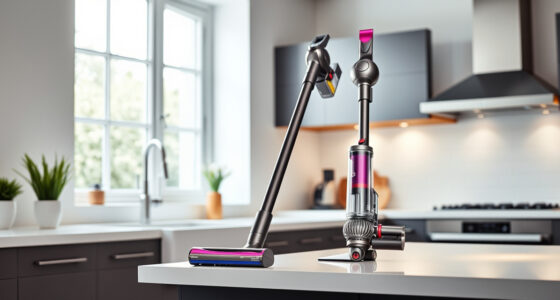
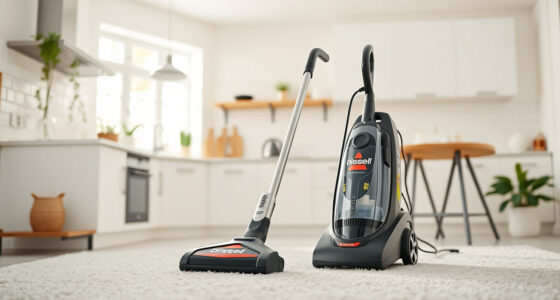
mattress vacuum cleaner with upholstery attachment
As an affiliate, we earn on qualifying purchases.
As an affiliate, we earn on qualifying purchases.
Frequently Asked Questions
How Often Should I Replace My Mattress?
You should replace your mattress every 7 to 10 years, considering its lifespan and your comfort. Follow a regular replacement schedule to ensure good sleep quality and prevent allergens buildup. If you notice sagging, stains, or persistent odors, it’s a sign to upgrade sooner. Keeping track of your mattress age helps maintain a healthy sleep environment and supports overall well-being.
Can I Wash Memory Foam Pillows?
You can’t wash memory foam pillows directly in a washing machine, as it can damage the foam. Instead, focus on memory foam care by spot cleaning with a mild detergent and a damp cloth. For pillow maintenance, regularly fluff and air it out to keep it fresh. To keep it odor-free, sprinkle baking soda, let it sit, then vacuum. This helps preserve your pillow’s shape and hygiene.
What’s the Best Way to Remove Blood Stains?
Imagine your bed as a peaceful island, and blood stains as unwanted ink blots marring its serenity. To remove blood stains, act quickly with stain removal techniques like cold water blotting, which halts the blood from setting. Use natural cleaning remedies like hydrogen peroxide or a mix of baking soda and water. Gently dab, don’t rub, and let your bed regain its pristine, tranquil glow.
Are There Eco-Friendly Cleaning Options for Bedding?
Yes, you can choose eco-friendly options for your bedding. Use organic detergents that are free from harmful chemicals and biodegradable, which help protect the environment. Pair them with natural fabric softeners, like vinegar or plant-based options, to keep your sheets soft and fresh. These choices are gentle on your skin and better for the planet, ensuring a cleaner, greener sleep environment.
How Do I Prevent Mold Growth in My Mattress?
Mold growth on your mattress is like a silent invader—you need to act quickly. Use mold-resistant bedding and guarantee proper mattress ventilation techniques, like opening windows or using a fan. Regularly rotate your mattress and keep it dry, especially after spills or sweating. These steps help prevent moisture buildup, which is the main culprit behind mold. Staying proactive keeps your bed fresh and mold-free.
As an affiliate, we earn on qualifying purchases.
Conclusion
Keeping your bed clean is like caring for a sanctuary where you recharge. By regularly washing sheets, vacuuming, and spot-cleaning, you create a fresh, inviting space that feels like a cozy embrace. Think of it as tending to a garden—you nurture it, and it rewards you with peaceful sleep. So, make cleaning a habit, and your bed will stay a comforting haven, ready to welcome you home every night.
As an affiliate, we earn on qualifying purchases.
As an affiliate, we earn on qualifying purchases.
Fall Picks
fall essentials
As an affiliate, we earn on qualifying purchases.