
To safely clean soot film from candle walls, start by gently dusting with a soft cloth or vacuum brush. Mix warm water with mild dish soap or a gentle wall cleaner, then wipe in circular motions without oversaturating the wall. For stubborn residue, a vinegar-water solution can help. Remember, practicing good candle safety reduces future buildup. Keep in mind, following proper cleaning methods can make your walls look fresh—if you stay tuned, you’ll discover more effective tips.
Key Takeaways
- Gently dust walls with a soft cloth or vacuum with a brush attachment before cleaning.
- Use a mild mixture of warm water and dish soap or a gentle wall cleaner for soot removal.
- Test cleaning solutions like vinegar-water on a small area first to prevent damage or discoloration.
- Wipe walls in circular motions, avoiding excessive moisture that could damage painted surfaces.
- For stubborn soot, consider professional cleaning or specialized soot removal products designed for walls.
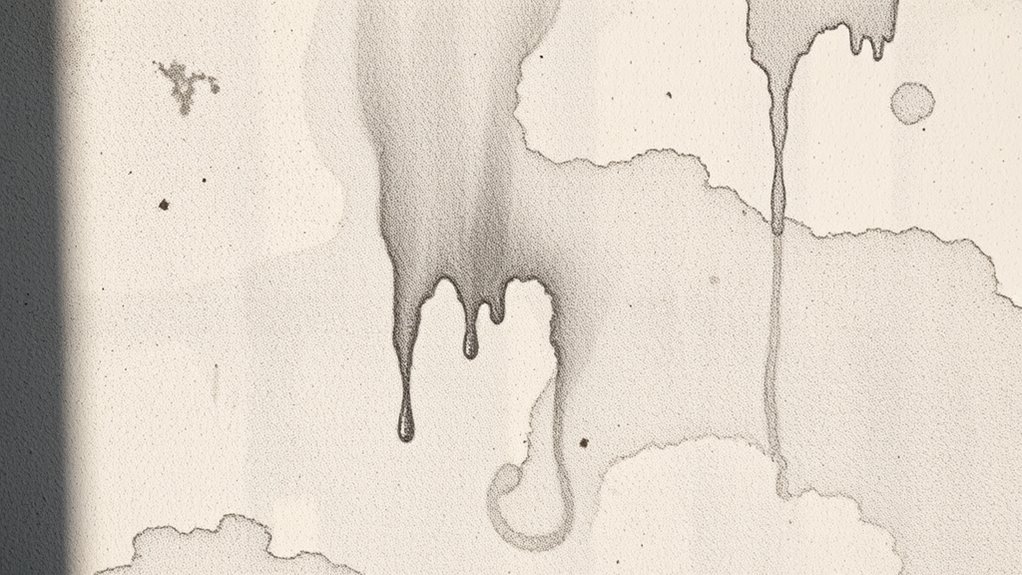
Ever wonder why your walls develop a dark, greasy film after burning candles? The answer lies in the combustion process, which releases tiny soot particles into the air. These particles settle on surfaces, especially walls, creating that stubborn, grimy film. While candles add warmth and ambiance, they come with the risk of soot buildup if proper candle safety isn’t observed. To prevent excessive soot, always trim your wicks to about a quarter inch before each use, burn candles in well-ventilated areas, and avoid drafts that can cause uneven burning. These simple candle safety tips help minimize soot and keep your walls cleaner longer.
Proper candle safety prevents soot buildup and keeps your walls cleaner longer.
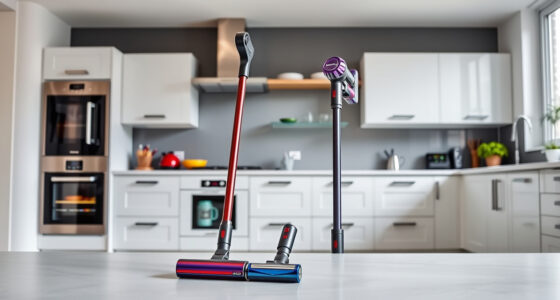
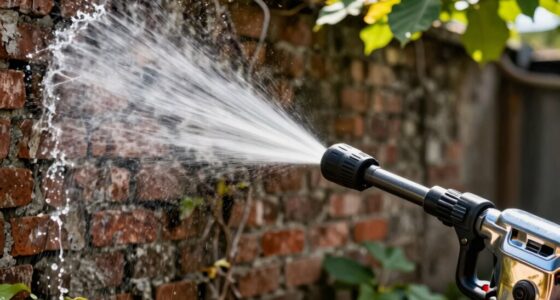
When it’s time to clean the soot from your walls, it’s essential to use effective wall cleaning techniques that won’t damage the paint or finish. Start by gently dusting the walls with a soft, dry cloth or a vacuum with a brush attachment. This removes loose soot particles and prevents smearing during wet cleaning. For more stubborn grime, mix a solution of warm water and a mild dish soap or a gentle wall cleaner. Dip a soft sponge or cloth into the solution, wring it out well, and then gently wipe the walls in a circular motion. Avoid soaking the walls, as excessive moisture can damage paint or wallpaper.
If the soot persists, you can try a mixture of one part white vinegar to three parts water, which acts as a natural degreaser. Test this solution on a small, inconspicuous area first to ensure it doesn’t discolor or damage your wall finish. Once confirmed, wipe the affected areas with this solution, then rinse with plain water and dry with a clean towel. For painted walls, avoid abrasive cleaners or harsh scrubbing, as these can strip paint or create streaks. Additionally, understanding RMDs and their impact on wall maintenance can help plan cleaning schedules around your retirement planning, as managing your home environment can be part of your overall financial health strategy.
In cases where the soot has deeply penetrated textured surfaces or wallpaper, consider consulting professional cleaning services or using specialized wall cleaning products designed for soot removal. Remember, the key to maintaining safe and clean candle use is to practice good candle safety and perform regular, gentle cleaning to prevent soot buildup from turning into a bigger problem later. By combining mindful candle safety with proper wall cleaning techniques, you protect both your walls and your indoor air quality, ensuring your space remains inviting and beautiful without the smoky aftermath.
As an affiliate, we earn on qualifying purchases.
Frequently Asked Questions
Can Soot Film Cause Health Issues?
Yes, soot film can cause health issues, especially affecting your indoor air quality and respiratory health. When soot accumulates on walls, it releases tiny particles into the air that you breathe in. This can lead to breathing problems, allergies, or worsen existing respiratory conditions. To protect your health, it’s crucial to clean soot safely and ensure good ventilation, reducing airborne particles and maintaining healthier indoor air quality.
What Types of Candles Produce the Most Soot?
You should know that certain types of candles produce more soot than others. Paraffin candles, especially those made from cheaper wax, tend to generate higher soot production. Scented candles with artificial fragrances and those with wicks containing metal also contribute to increased soot. To minimize soot buildup on your walls, opt for soy or beeswax candles, which burn cleaner and produce less soot, helping keep your home healthier and cleaner.
Does Using Air Purifiers Prevent Soot Buildup?
Think of an air purifier as a vigilant guardian, catching soot particles before they settle. Yes, using air purifiers effectively reduces soot buildup, making them a strong soot prevention technique. They improve air quality and prevent wall stains from candle soot. To maximize their effectiveness, choose models with HEPA filters and run them consistently. Combined with good ventilation, air purifiers are your best allies against stubborn soot on walls.
Are There Eco-Friendly Methods to Clean Soot?
Yes, there are eco-friendly solutions for cleaning soot. You can use natural cleaning methods like a mixture of baking soda and water or vinegar and water to gently lift soot from walls. These natural cleaning options are safe, non-toxic, and effective, making them ideal for eco-conscious choices. Always test a small area first and avoid harsh chemicals to protect both your health and the environment.
How Often Should I Clean Soot From Walls?
You should clean soot from walls as soon as you notice it to prevent staining and buildup. Regular wall cleaning, especially after candle use, helps maintain a fresh look. Use gentle soot removal techniques like a vacuum with a brush attachment or a dry cleaning sponge. For stubborn spots, a mixture of mild soap and water works well. Cleaning frequency depends on candle use, but once a month is usually sufficient.
As an affiliate, we earn on qualifying purchases.
Conclusion
Now that you know how to clean the soot film, you’re like a skilled artist restoring a blank canvas. With gentle hands and the right tools, you can wipe away the darkness and bring back the walls’ original glow. Think of the soot as a shadow cast by flickering candle flames—easily erased with patience and care. Soon, your walls will shine bright again, transforming your space from a shadowed cave into a welcoming haven.
As an affiliate, we earn on qualifying purchases.
As an affiliate, we earn on qualifying purchases.