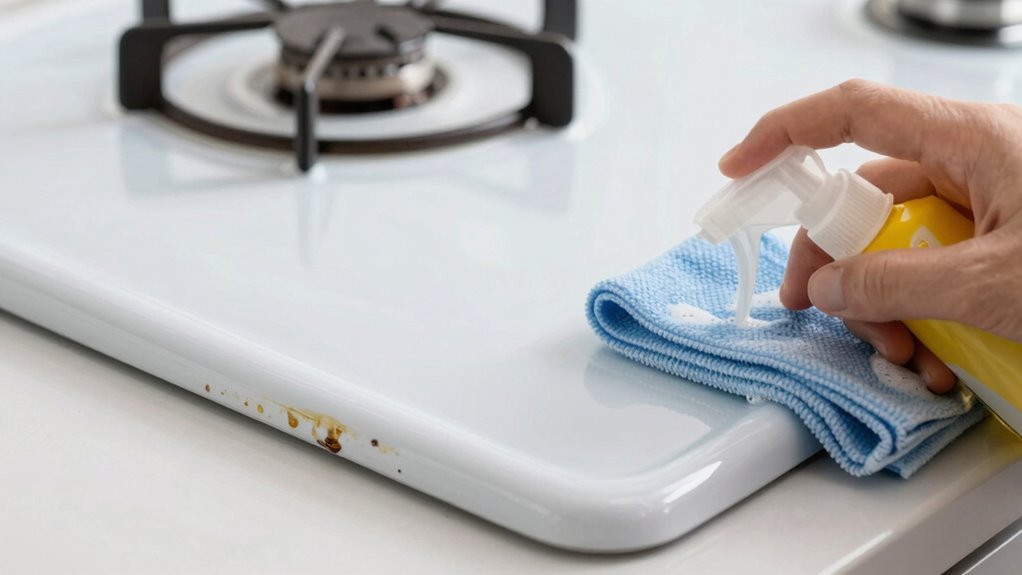

To prevent appliance grease buildup before it starts, make sure you use a strong, efficient vent hood or exhaust fan and turn it on early during cooking. Regularly clean filters and surfaces with gentle degreasers like vinegar and water to keep grease from settling. Cover pots and avoid unattended oils to minimize splatters. Staying proactive with these habits and maintaining good ventilation helps keep your appliances cleaner longer. Keep exploring for more tips to stay ahead of grease buildup.

Get cleaning gear delivered free with Prime
- Fast, free delivery on millions of items
- Prime Video, Amazon Music and more included
- Member-only deals all year
Key Takeaways
- Use a range hood or exhaust fan consistently during and after cooking to prevent grease settling on appliances.
- Regularly clean and replace filters to maintain optimal ventilation efficiency.
- Cover pots and pans to minimize splatters and airborne grease particles.
- Wipe down appliances and surfaces with gentle degreasers after each use to prevent buildup.
- Organize cleaning supplies for quick access, encouraging routine cleaning before grease accumulates.
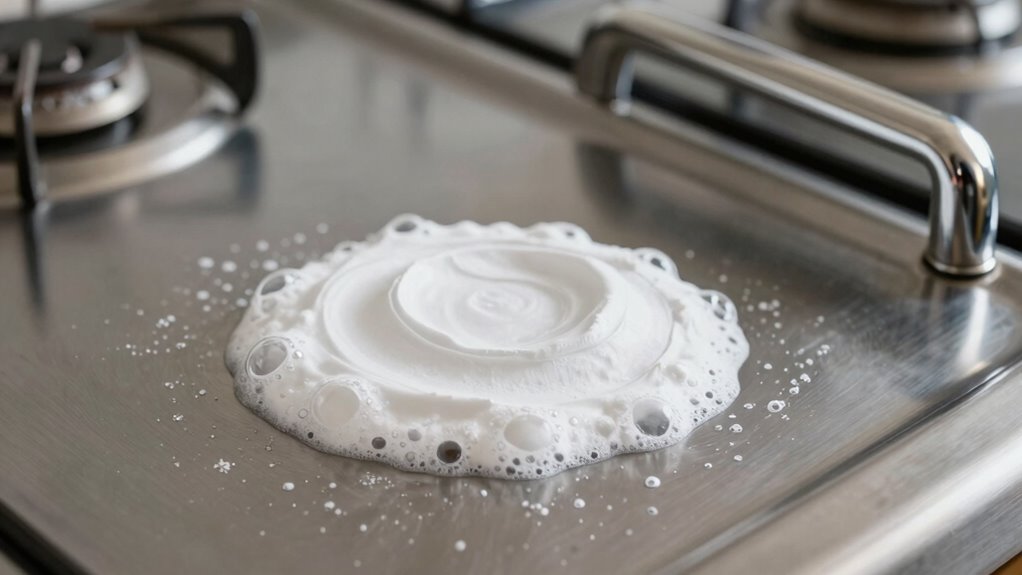
Dealing with appliance grease buildup can feel like a never-ending chore, but the truth is, preventing it is simpler than you think. The key is establishing good habits around kitchen ventilation and sticking to consistent cleaning schedules. When you understand how grease forms and how to stop it from accumulating, maintaining a clean kitchen becomes much less formidable.
First, focus on your kitchen ventilation system. A strong, efficient range hood or exhaust fan can dramatically cut down on airborne grease particles. Make sure your ventilation works properly—clean or replace filters regularly to keep it functioning at peak performance. When you cook, turn on the ventilation early and keep it running for a few minutes afterward. This simple step pulls grease-laden air away before it has a chance to settle on surfaces and appliances, reducing buildup over time. Proper ventilation isn’t just about comfort; it’s your first line of defense in preventing greasy films from forming on your stove, microwave, and surrounding cabinets. Additionally, understanding how grease particles settle on surfaces can help you implement more effective cleaning strategies. Regularly inspecting and maintaining your ventilation system can further enhance its efficiency in controlling grease spread. Being aware of airborne grease and its behavior can help you refine your preventive measures even more.
Use your range hood early and keep it running after cooking to prevent grease buildup on surfaces.
Next, develop a consistent cleaning schedule that targets grease-prone areas. Don’t wait until you see visible grime—regularly wipe down your appliances, stovetop, and backsplash. Use a gentle degreaser or homemade solution, like vinegar and water, to cut through grease easily. Setting a weekly routine makes maintenance manageable and prevents grease from becoming stubborn and harder to clean later. When surfaces are cleaned regularly, you avoid the need for harsh scrubbing or chemical-heavy cleaners, which can damage finishes and create more mess.
In addition, pay attention to the details. Keep stovetop burners, vent filters, and range hoods free of grease buildup by wiping them down after each use. Cover pots when cooking to contain splatters, and avoid leaving grease or oil unattended. These small habits collectively reduce the amount of airborne grease that settles on your appliances and surfaces.
Finally, organize your cleaning supplies so they’re accessible and easy to use. When you’re prepared with the right tools—microfiber cloths, non-abrasive scrubbers, and effective cleaners—you’re more likely to stick to your schedule. Consistency is critical; the more routine your cleaning, the less grease will accumulate. Maintaining awareness of grease formation and how it settles can help you stay proactive in your cleaning efforts. Regularly educating yourself about kitchen grease and its behavior can also improve your prevention strategies over time.
As an affiliate, we earn on qualifying purchases.
Frequently Asked Questions
How Often Should I Clean Appliance Grease to Prevent Buildup?
You should clean appliance grease at least once a month to prevent buildup. Regular cleaning keeps your kitchen ventilation effective and minimizes grease accumulation. If you cook frequently or use greasy ingredients often, consider cleaning more often—every two weeks might be necessary. Pay attention to your cooking habits and ventilation system, as these influence how quickly grease accumulates. Consistent maintenance guarantees a cleaner kitchen and better air quality.
Are There Eco-Friendly Products Safe for Appliance Grease Removal?
You’re in luck—there are eco-friendly cleaners and safe grease removers that work wonders without harming the environment. Think of them as gentle giants, tackling grease buildup while keeping your appliances and planet safe. Look for products labeled biodegradable, non-toxic, or plant-based. These safe options effectively cut through grease, ensuring your appliances stay clean and running smoothly. It’s a win-win for your home and the earth!
Can Homemade Solutions Effectively Prevent Grease Buildup?
Yes, homemade solutions and DIY remedies can effectively prevent grease buildup. Natural solutions like a mixture of baking soda and vinegar work well to break down grease before it accumulates. Regularly wiping down appliances with these eco-friendly, natural solutions helps keep grease at bay. By incorporating these simple, natural remedies into your cleaning routine, you can maintain appliances more easily and reduce the need for harsh chemical cleaners.
What Signs Indicate It’s Time for Professional Appliance Cleaning?
You should call a professional when you notice persistent grease odors, unusual noises, or if your appliance isn’t operating efficiently, as these signs can threaten its lifespan. Regular cleaning maintains kitchen hygiene and prevents grease buildup from causing damage. If DIY efforts no longer keep your appliance clean or if grease seems hard to remove, it’s time to seek expert help to guarantee peak performance and longevity.
Does Grease Buildup Affect Appliance Energy Efficiency?
Surprisingly, grease buildup can sabotage your appliance’s energy efficiency. It acts like a thick insulation barrier, trapping heat and causing the appliance to work harder, which leads to overheating. This inefficiency not only raises energy bills but also shortens your appliance’s lifespan. Regularly cleaning grease insulation prevents overheating, keeps your appliance running smoothly, and saves you money—so, ironically, ignoring grease buildup costs you more in the long run.
As an affiliate, we earn on qualifying purchases.
Conclusion
By staying attentive to those subtle signs of buildup, you can gently keep your appliances running smoothly without much fuss. Addressing minor issues early on acts like a quiet whisper of care, preventing more stubborn troubles from taking root. With a little regular upkeep, you’ll find that your appliances continue to serve you quietly and efficiently, almost like a well-kept secret. Embrace these simple steps, and enjoy the subtle art of maintenance that keeps everything humming along seamlessly.
As an affiliate, we earn on qualifying purchases.
As an affiliate, we earn on qualifying purchases.
Halloween Picks
halloween
As an affiliate, we earn on qualifying purchases.