Sealed HEPA systems are essential for ensuring your home’s air stays clean and free of airborne pollutants. They keep air passing strictly through high-efficiency filters without leaks or bypasses, trapping tiny particles like dust, pollen, and bacteria effectively. Proper sealing also prevents unfiltered air from sneaking around the filter edges, maintaining filtration integrity. When maintained well, these systems work silently and efficiently, improving indoor air quality. Want to discover how to optimize your system for the best results?
Listen free for 30 days with Audible
Thousands of audiobooks and originals — cancel anytime.
As an affiliate, we earn on qualifying purchases.
Key Takeaways
- Sealed HEPA systems prevent air leaks, ensuring all air passes through filters for maximum particle removal.
- Proper sealing maintains filtration integrity, blocking unfiltered air from bypassing the system.
- Regular maintenance sustains system efficiency, prolonging lifespan and preventing mold or bacterial growth.
- Sealed systems enable effective zone control, reducing cross-contamination and enhancing indoor air safety.
- Optimized sealing and maintenance contribute to healthier indoor environments, reducing allergens and airborne pollutants.
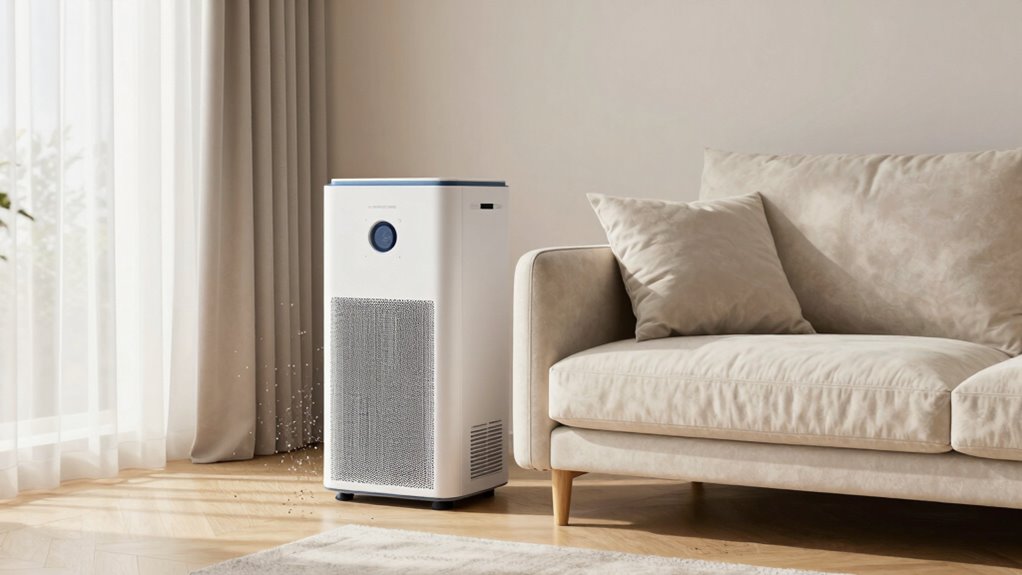
Have you considered how a sealed HEPA system can improve the air quality in your home? If you’re concerned about allergies, asthma, or simply want cleaner air, investing in a sealed HEPA filtration system can make a significant difference. Unlike basic air purifiers, a sealed HEPA system guarantees that air passes through high-efficiency filters without leaks or bypasses. This containment maximizes the system’s ability to trap tiny particles—like dust, pollen, pet dander, and bacteria—before they circulate back into your living space. When the system is properly sealed, it prevents unfiltered air from sneaking around the filter edges, which can happen with open or poorly installed units. This means you get consistent, reliable air filtration that genuinely improves your indoor environment.
Sealed HEPA systems ensure consistent, leak-free filtration for healthier, cleaner indoor air.
However, to maintain its effectiveness, system maintenance is vital. Regularly checking and replacing filters ensures the HEPA system continues to perform at peak efficiency. Over time, filters become clogged with captured particles, reducing airflow and filtration capacity. Neglecting maintenance can cause the system to work harder, increasing energy use and decreasing air quality. By establishing a routine for filter replacement and system checks, you prolong the life of the system and preserve its ability to remove harmful airborne contaminants. Proper maintenance also helps prevent mold or bacterial growth inside the unit, which could otherwise compromise indoor air quality. Ensuring proper seal integrity is essential for maintaining optimal performance and preventing leaks.
Sealed HEPA systems also contribute to overall indoor air management by preventing cross-contamination between rooms or different air zones. If your home has multiple HVAC components or ventilation channels, sealing the HEPA unit guarantees that filtered air remains contained within the designated space. This controlled environment enhances the overall air filtration process, making your indoor air safer and healthier. Proper sealing can also help in controlling airflow and maintaining desired indoor conditions. Plus, a sealed system minimizes noise and drafts often associated with open or improperly installed units, creating a more comfortable living environment.
In essence, a sealed HEPA system isn’t just about installing a filter; it’s about guaranteeing that every step from air intake to filtration is optimized for purity. When combined with diligent system maintenance, you get a reliable barrier against airborne pollutants, making your home a healthier place to live. Proper sealing and maintenance work together to ensure the system’s effectiveness and longevity. Ensuring a tight seal is also crucial for preventing unfiltered air from bypassing the filter, which can compromise air quality. Properly sealed systems also help in minimizing energy loss, making them more efficient and cost-effective over time. Whether you’re battling allergies or simply want peace of mind, understanding why sealed HEPA systems matter helps you make smarter decisions about indoor air quality. Properly maintained and sealed, these systems work silently yet powerfully to keep your indoor environment clean and safe for you and your loved ones.
As an affiliate, we earn on qualifying purchases.
Frequently Asked Questions
How Often Should I Replace Filters in a Sealed HEPA System?
You should replace filters in your sealed HEPA system every 6 to 12 months, depending on usage and air quality. Regular filter maintenance guarantees peak performance and extends your system lifespan. If you notice decreased airflow or increased allergens, it’s time for a change sooner. Checking the manufacturer’s recommendations and monitoring filter condition will help you maintain a healthy, efficient system and protect your home environment.
Are Sealed HEPA Systems Suitable for Allergy Sufferers?
Sealed HEPA systems are like a fortress for allergy sufferers, making them highly suitable. They trap airborne allergens effectively, offering significant air purifier benefits and allergy relief techniques. If you struggle with dust, pollen, or pet dander, this system can dramatically improve your indoor air quality. By preventing leaks, sealed HEPA units guarantee you breathe cleaner air, making your home a healthier, more comfortable space for allergy sufferers.
Do Sealed HEPA Systems Require Professional Installation?
Sealed HEPA systems generally require professional installation to guarantee they work effectively and maintain their sealed environment. While some DIY installation is possible if you have technical skills, it’s best to consult experts to avoid leaks or improper setup. Once installed, you should follow maintenance tips like changing filters regularly and checking seals to keep your system running efficiently and improve indoor air quality.
Can Sealed HEPA Systems Improve Overall Indoor Air Quality?
Sealed HEPA systems can dramatically improve your indoor air quality—it’s like turning your home into an ultra-clean sanctuary. You’ll enjoy incredible air purification benefits, making it easier to breathe and reducing allergy triggers. Plus, regular system maintenance keeps the filters in peak condition, ensuring consistent performance. By investing in a sealed HEPA system, you’re creating a healthier environment that shields you from airborne pollutants and allergens every day.
What Is the Average Cost of Installing a Sealed HEPA System?
The average cost of installing a sealed HEPA system ranges from $1,000 to $3,000, depending on your home’s size and the system’s complexity. You’ll want to compare different air filter types and consider ongoing system maintenance costs. Keep in mind, professional installation is often recommended to guarantee proper setup and efficiency. Regular maintenance helps your system work effectively and prolongs its lifespan.
As an affiliate, we earn on qualifying purchases.
Conclusion
Sealed HEPA systems are your home’s silent guardians, locking out airborne villains and creating a sanctuary where you breathe easy. Think of them as the fortress walls of your indoor air quality, standing strong against dust, allergens, and pollutants. When you invest in a sealed HEPA system, you’re not just installing equipment—you’re planting a shield of clarity that keeps your air pure and your health protected. Breathe deep, knowing your home’s invisible armor has your back.
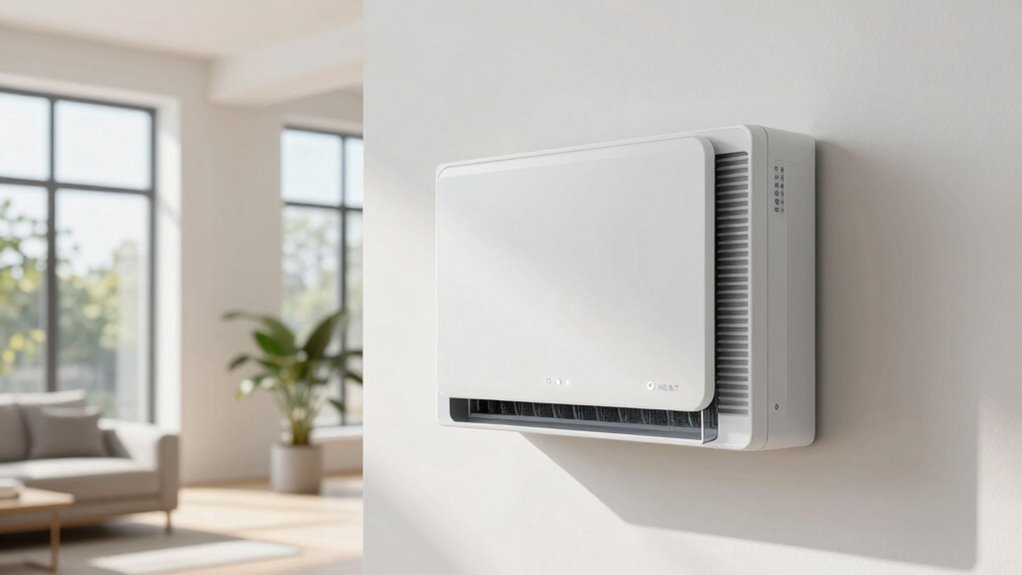
air purifier with sealed filtration system
As an affiliate, we earn on qualifying purchases.
As an affiliate, we earn on qualifying purchases.
As an affiliate, we earn on qualifying purchases.
Fall Picks
fall essentials
As an affiliate, we earn on qualifying purchases.