Good air management makes your home feel cleaner because it controls airflow to remove pollutants, odors, and excess humidity. By using ventilation, exhaust fans, and air purifiers, you can reduce dust, mold spores, and allergens, creating a fresher environment. Proper airflow also prevents stuffiness and lingering smells, making your space seem brighter and more inviting. When you master these techniques, you’ll notice an immediate difference in how clean and comfortable your home feels every day. Keep exploring to learn more.
Key Takeaways
- Proper air management removes indoor pollutants, dust, and allergens, making the home feel fresher and cleaner.
- Effective ventilation reduces humidity, preventing mold growth and associated musty odors.
- Fresh outdoor air exchange diminishes stale smells, enhancing the home’s overall scent and cleanliness.
- Using air purifiers and exhaust fans improves air quality, contributing to a lighter, more inviting atmosphere.
- Consistent airflow management enhances comfort, making spaces feel more airy, clean, and welcoming.
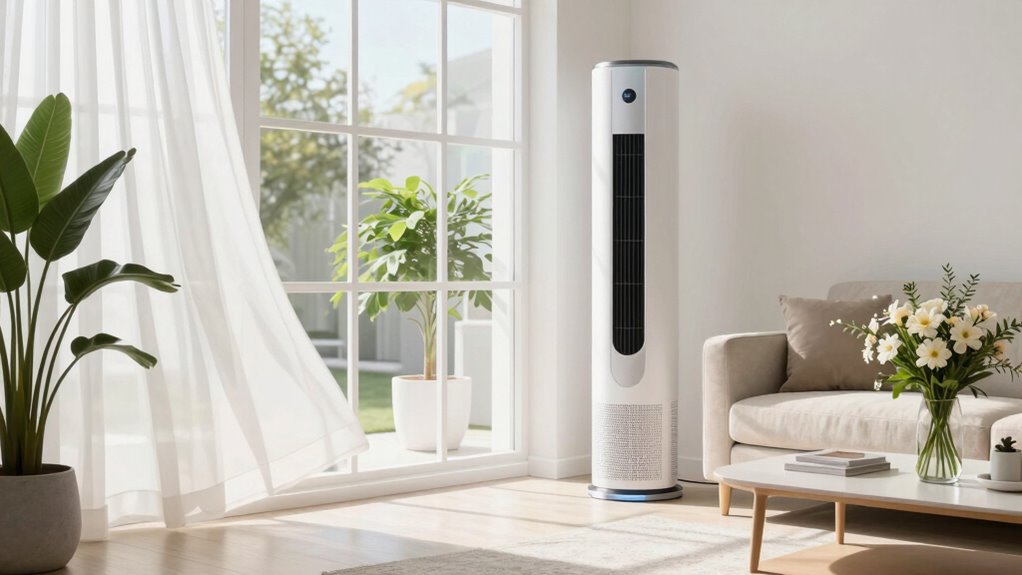
Have you ever considered how the air inside your home affects your health and comfort? Air quality plays a vital role in how clean and fresh your living space feels. Poor air quality can lead to headaches, allergies, fatigue, and even respiratory issues. That’s why paying attention to air management is essential—not just for your health, but also for creating a home that genuinely feels clean and inviting. You might not realize it, but the way you manage airflow can greatly influence how fresh and comfortable your home smells and feels every day.
Good air management enhances health, comfort, and a fresh, inviting home environment every day.
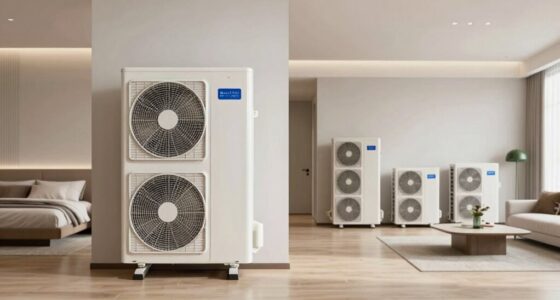
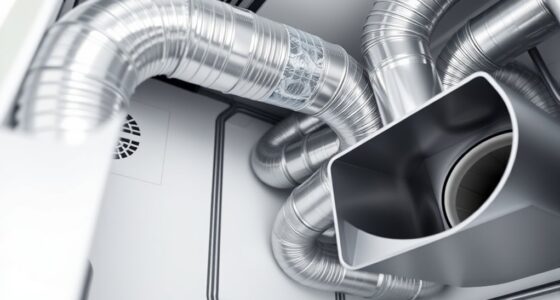
One of the key factors in maintaining good air quality is implementing effective ventilation strategies. Ventilation isn’t just about opening windows; it’s about controlling how air flows in and out of your home to reduce indoor pollutants, moisture, and odors. Proper ventilation strategies ensure that stale, contaminated air gets replaced with fresh outdoor air, preventing the build-up of allergens, dust, and indoor pollutants. This continuous exchange helps keep the air you breathe cleaner, which directly impacts your perception of cleanliness within your home.
When you focus on good air management, you’re actively reducing the presence of airborne particles like pet dander, dust mites, mold spores, and volatile organic compounds. These particles can linger and settle on surfaces, making your home feel dirtier than it actually is. By improving ventilation, you’re not only clearing out these irritants but also reducing humidity levels that promote mold growth. As a result, your living space won’t just feel cleaner but will also be healthier for everyone living there.
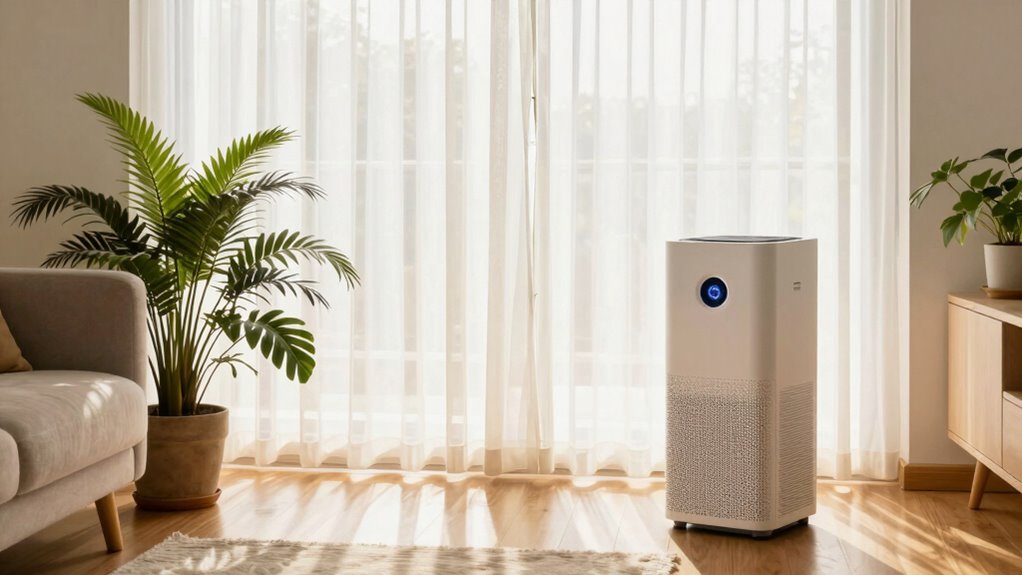
Incorporating proper air management techniques doesn’t mean you have to overhaul your home. Simple steps like installing exhaust fans in bathrooms and kitchens, using air purifiers with HEPA filters, and ensuring your home’s ventilation system is well-maintained can make a noticeable difference. Additionally, keeping windows open when weather permits allows natural airflow, further enhancing air quality. These strategies work together to create a fresher environment, making your home feel lighter, brighter, and more welcoming.
Ultimately, good air management transforms your living space into a cleaner, healthier environment. When you prioritize air quality and adopt effective ventilation strategies, you’ll notice not just a difference in how your home smells but also in how it feels. It becomes easier to breathe, sleep better, and enjoy your space without the nagging feeling of stuffiness or lingering odors. Better air management isn’t just about health—it’s about making your home a place where indoor air quality is felt as much as it’s seen.

Honeywell Allergen Plus Compact Small Room HEPA Air Purifiers for Home, Up to 530 Ft² Coverage, 3-in-1 Filter, Pet Dander, Smoke & Odor Reducer Air Quality Sensor with Auto Mode, Black, HPA125B
AQSense Auto Mode with Air Quality Sensor: This Honeywell Air Purifier with HEPA air filter continuously monitors air…
As an affiliate, we earn on qualifying purchases.
As an affiliate, we earn on qualifying purchases.
Frequently Asked Questions
How Often Should I Change My Air Filters?
You should change your air filters every 1 to 3 months to maintain ideal filter maintenance and guarantee your air quality standards stay high. Regular replacement prevents dust buildup and improves air circulation, making your home feel cleaner and healthier. If you have pets or allergies, consider changing filters more frequently. Staying on top of filter maintenance helps your HVAC system run efficiently and keeps indoor air fresh and safe.
Can Plants Improve Indoor Air Quality?
Did you know certain plant varieties can remove up to 87% of airborne toxins in 24 hours? Yes, plants can improve indoor air quality through natural air purification. By choosing varieties like snake plants, pothos, or peace lilies, you actively reduce pollutants and increase fresh airflow. Incorporating these plants into your space creates a healthier, more inviting environment, making your home feel cleaner and more breathable every day.
Do Air Purifiers Eliminate All Household Odors?
Air purifiers don’t eliminate all household odors because of their limitations in odor absorption. While they effectively remove airborne particles and some smells, they can’t fully neutralize strong or lingering odors like cooking fumes or pet smells. You’ll notice fresher air, but for complete odor elimination, consider combining an air purifier with regular cleaning and proper ventilation. This holistic approach guarantees your home feels cleaner and smells fresher.
What’s the Best Way to Reduce Indoor Humidity?
To reduce indoor humidity effectively, focus on humidity control by using a dehumidifier. It pulls excess moisture from the air, preventing mold growth and musty odors. Keep vents and exhaust fans running in moisture-prone areas like the bathroom and kitchen. Additionally, fix leaks promptly and use fans to improve air circulation. The dehumidifier benefits include maintaining a comfortable, healthier environment and protecting your home’s structure from moisture damage.
How Does Air Circulation Affect Allergy Symptoms?
Imagine Sherlock Holmes investigating airborne allergens—you’ll notice that good air circulation reduces allergy symptoms by dispersing and filtering these irritants. Proper ventilation strategies keep indoor air fresh, preventing allergens from settling and accumulating. By actively circulating air, you help clear pollen, pet dander, and dust mites, making your home more comfortable and allergy-friendly. Enhanced airflow is like having a detective on your side, fighting airborne allergens daily.

Broan-NuTone Bathroom Exhaust Fan, 50 CFM Modern Grille, Energy Star Fan, 2.0 Sones
50 CFM BATHROOM EXHAUST FAN: 50 CFM is sufficient ventilation to remove, moisture, odor and pollutants from your…
As an affiliate, we earn on qualifying purchases.
As an affiliate, we earn on qualifying purchases.
Conclusion
By paying attention to your air management, you’re not just improving air quality—you’re making your home feel fresher and more inviting. Good airflow keeps dust and odors at bay, creating a healthier environment for everyone. Remember, a stitch in time saves nine; maintaining your air system now prevents bigger problems later. So, take control of your home’s air quality today and enjoy a space that feels as good as it looks.
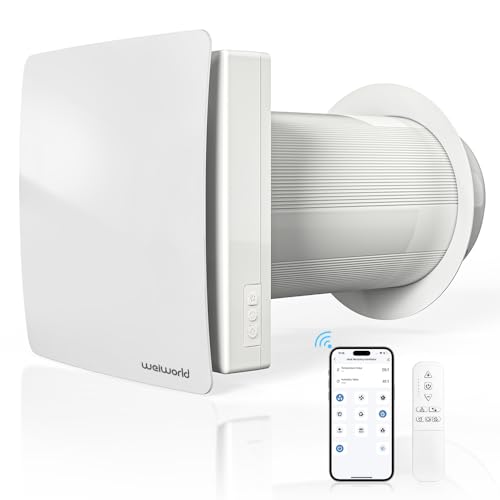
Weiworld Through Wall HEPA Ventilation Fan with WiFi & Remote Control, Ultra Quiet EC Motor Wall Vent, Fresh Air Intake & Air Exchange System for Bedroom, Home Office, Attic
【HEPA Fresh Air Ventilation Fan】Equipped with a 3-stage filtration system (pre-filter, HEPA filter, and activated carbon), this wall-mounted…
As an affiliate, we earn on qualifying purchases.
As an affiliate, we earn on qualifying purchases.

Amazon Smart Air Quality Monitor – Know your air, Works with Alexa
Know your air – An Alexa air quality monitor that makes it easy to understand what’s in your…
As an affiliate, we earn on qualifying purchases.
As an affiliate, we earn on qualifying purchases.