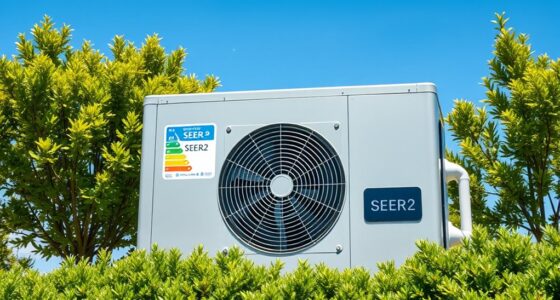

To compare air and heat products wisely, focus on long-term performance and energy efficiency, not just specs. Look for units with high SEER or AFUE ratings, which reduce ongoing costs. Consider installation needs and whether features like zoning or smart controls genuinely add value for your comfort. Prioritize reliability and long-term savings over initial price. Making thoughtful choices now means better comfort and lower costs later—keep exploring to discover how to make the best decision for your home.
Key Takeaways
- Focus on energy efficiency ratings like SEER and AFUE to assess long-term savings, not just initial specs.
- Evaluate brand reliability and customer reviews to gauge real-world performance and durability.
- Consider installation requirements and compatibility with existing infrastructure for optimal system performance.
- Match features like zoning and smart controls to your comfort needs, avoiding unnecessary extras.
- Prioritize long-term operational costs and benefits over initial price or flashy specifications.
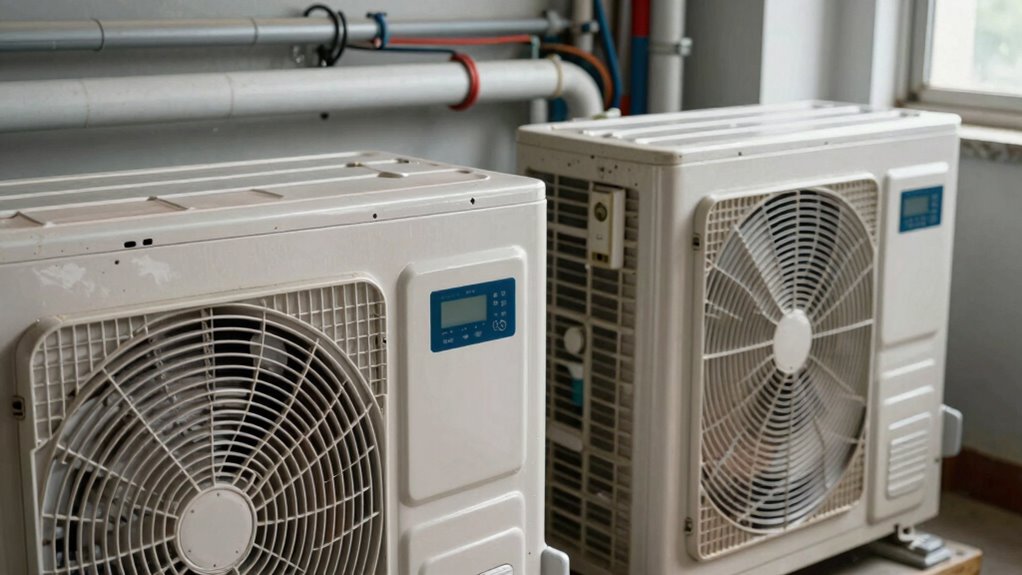
Are you overwhelmed by the variety of air and heat products available on the market? With so many options, it’s easy to get lost in a sea of specifications and features. But instead of chasing specs blindly, it’s better to focus on what truly matters—how well a product fits your needs and how efficiently it operates. When comparing heating and cooling systems, start by considering energy efficiency. An energy-efficient unit can save you money on utility bills over time and reduce your environmental impact. Look beyond the initial cost and pay attention to the product’s SEER (Seasonal Energy Efficiency Ratio) for air conditioners or AFUE (Annual Fuel Utilization Efficiency) for furnaces. Higher ratings mean better efficiency, which translates into lower energy consumption and long-term savings. Don’t forget to check if the product has energy-saving features like programmable thermostats or variable-speed fans, which can further cut down your energy use. Additionally, understanding how these systems are rated for energy efficiency can help guide your decision-making process more effectively. It’s also useful to consider the long-term operational costs, which are often influenced by efficiency ratings and maintenance requirements.
Prioritize energy efficiency and installation ease for smarter, cost-effective heating and cooling choices.
Furthermore, researching the reliability of specific brands or models can help you avoid systems that may require frequent repairs or replacements, saving you money and hassle in the long run. When evaluating different options, it’s important to also consider customer reviews to gain insights into real-world performance and user satisfaction. It’s worth noting that some units with high efficiency ratings might also include energy-efficient features that enhance overall performance and user comfort. Next, think about installation requirements. This aspect is vital because a high-efficiency unit isn’t worth much if it’s difficult or costly to install. Start by evaluating your existing infrastructure—does your home have the necessary ductwork, electrical capacity, or ventilation systems? Some units might boast impressive specs but require significant modifications to your home, increasing costs and installation time. On the other hand, products with straightforward installation requirements can save you money upfront and reduce the hassle. Consult with a professional to understand what’s involved in installing each system and whether it fits your space and setup. Proper installation ensures the unit operates at peak efficiency and lasts longer, so don’t overlook this step in your comparison.
As you weigh your options, also consider how each product’s features align with your comfort needs. For example, does the system offer zoning capabilities so you can control temperatures room by room? Are there smart features that allow remote monitoring or scheduling? These extras can add value but only if they genuinely improve your comfort and convenience.
Ultimately, comparing air and heat products isn’t just about specs; it’s about how well they serve your home, your budget, and your lifestyle. By prioritizing energy efficiency and understanding installation requirements, you make smarter choices that provide reliable comfort, save money, and reduce your environmental footprint. Focus on the long-term benefits rather than just initial costs, and you’ll find a system that truly meets your needs without chasing specs blindly.
high efficiency SEER air conditioner
As an affiliate, we earn on qualifying purchases.
As an affiliate, we earn on qualifying purchases.
Frequently Asked Questions
How Do I Determine Which Product Is More Energy-Efficient?
To determine which product is more energy-efficient, check the efficiency ratings like SEER for air conditioners and AFUE for furnaces. Look for units with higher ratings, as they save more energy. Follow energy-saving tips such as sealing leaks and maintaining filters regularly. Comparing these ratings and tips helps you choose a product that reduces energy use and lowers your bills, making it easier to find an efficient system.
What Warranty Options Should I Look For?
You should look for extensive warranty coverage that protects against major repairs and includes parts and labor. Good service support is essential, so check if the manufacturer offers prompt customer assistance and easy access to authorized service centers. Additionally, consider the warranty duration—longer coverage provides peace of mind. Always read the fine print to understand what’s included and any exclusions, ensuring you get reliable protection for your investment.
Are There Any Maintenance Differences Between Brands?
Yes, maintenance differences between brands do exist. You should consider brand reputation and customer reviews, as some brands offer easier access to replacement parts and clearer maintenance instructions. Higher-rated brands typically provide better support and more durable components, reducing upkeep needs. By researching these factors, you’ll identify which brands are more reliable and require less maintenance, helping you make a smarter, long-term decision for your heating and cooling system.
How Do Installation Costs Impact Overall Value?
Installation costs substantially impact the overall value of your HVAC system. If a unit has high installation expenses, it could outweigh savings from a lower purchase price, making it less cost-effective long-term. To make a smart choice, consider both installation costs and how efficiently the system operates. Balancing these factors helps you get the best overall value, ensuring you invest wisely in a reliable, energy-efficient solution.
Which Brands Are Most Reliable Long-Term?
You should consider brands with strong reputations and positive customer reviews for long-term reliability. Look for industry leaders like Trane, Carrier, and Lennox, which are known for durability and quality. Reading customer reviews helps you understand real-world performance and potential issues. Avoid brands with mixed reviews or poor customer service records. Relying on reputable brands with proven track records guarantees your system lasts longer and performs efficiently over time.
AFUE furnace with smart controls
As an affiliate, we earn on qualifying purchases.
As an affiliate, we earn on qualifying purchases.
Conclusion
When comparing air and heat products, remember that specs are just the map, not the destination. Trust your instincts and focus on what truly matters—efficiency, reliability, and your specific needs. Think of it like choosing the right compass; without it, you’re just wandering in the dark. By doing your homework and asking the right questions, you’ll navigate the options smoothly, ensuring your comfort doesn’t become a wild goose chase.
zoning compatible HVAC system
As an affiliate, we earn on qualifying purchases.
As an affiliate, we earn on qualifying purchases.
energy-saving programmable thermostat
As an affiliate, we earn on qualifying purchases.
As an affiliate, we earn on qualifying purchases.