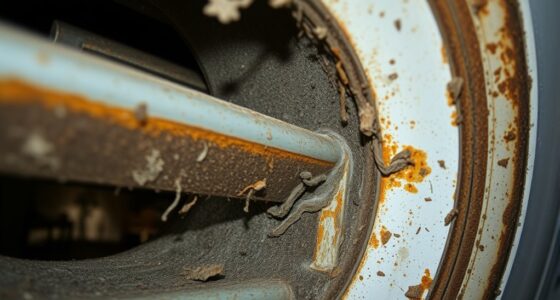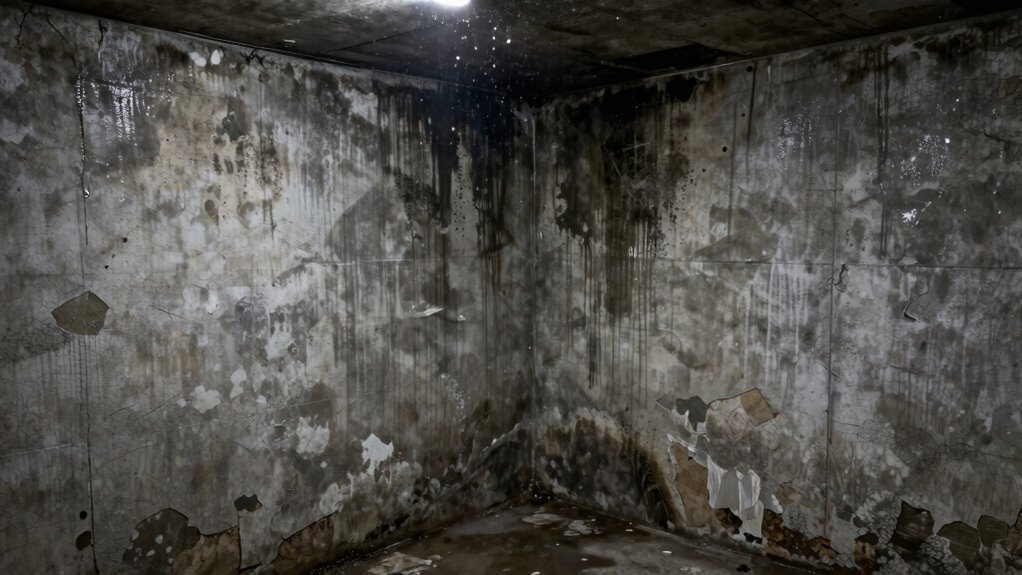

If you ignore basement moisture, it can harm your home’s comfort, safety, and longevity. Excess dampness leads to mold, wood rot, and structural issues that threaten your home’s integrity. It can also make your space feel clammy and uncomfortable, especially during humid months. Managing moisture keeps your basement healthy, protecting your belongings and creating a more comfortable environment. Keep exploring to find out simple ways to control moisture and improve your home’s overall comfort.

Get cleaning gear delivered free with Prime
- Fast, free delivery on millions of items
- Prime Video, Amazon Music and more included
- Member-only deals all year
Key Takeaways
- Excess basement moisture directly impacts overall home comfort by creating a clammy, uncomfortable environment during humid seasons.
- Moisture problems can lead to mold growth and respiratory issues, affecting the health and well-being of occupants.
- Proper moisture control protects structural integrity, preventing costly repairs and ensuring long-term home safety.
- Maintaining basement dryness enhances indoor air quality and reduces allergy triggers like mold and dust mites.
- Prioritizing basement moisture management promotes a healthier, more comfortable living space and prolongs the home’s lifespan.
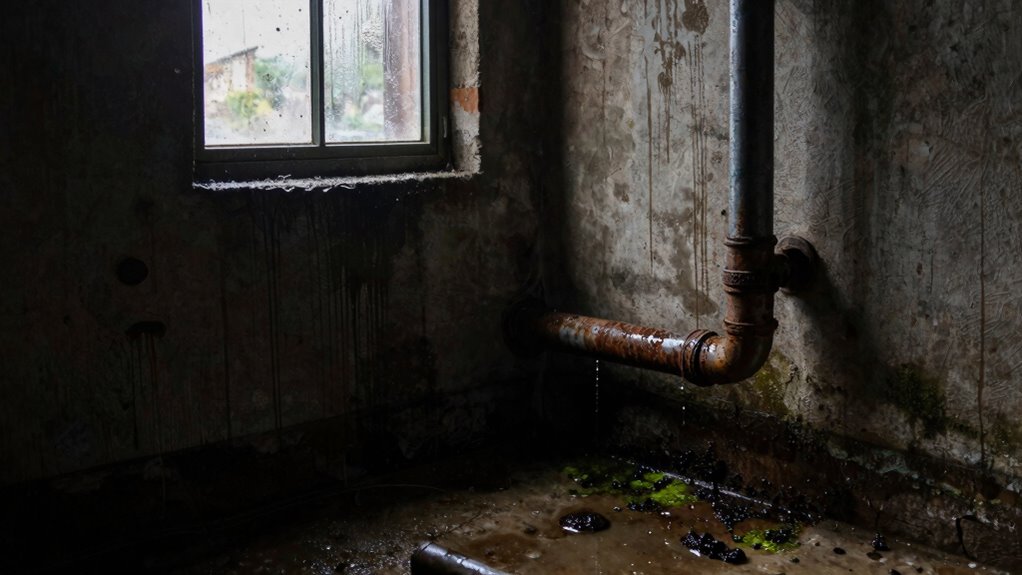
A damp basement can considerably impact your home’s overall comfort and safety. When moisture levels rise, it affects more than just the smell of your space; it can lead to serious issues like mold growth, wood rot, and even structural damage. Addressing basement moisture isn’t just about keeping the area dry—it’s about safeguarding your entire home. One effective way to control humidity is by maintaining your dehumidifier properly. Regular dehumidifier maintenance ensures it operates efficiently, removing excess moisture from the air without overworking. You should clean the filters, check for leaks, and ensure the unit is functioning correctly. Doing so prevents mold spores from spreading and keeps your basement dry, which directly boosts your home’s comfort. Additionally, investing in moisture barrier installation can drastically reduce moisture ingress from the ground up. A quality moisture barrier acts as a shield, preventing soil moisture from seeping through foundation walls or floors. When installed correctly, it creates a barrier that keeps your basement dry, reducing the overall humidity and making the space more livable. This simple yet effective step can make a significant difference in your home’s environment and longevity. But moisture barrier installation isn’t a one-and-done task—it requires careful planning and proper sealing to ensure it’s effective. Regular checks are essential to identify any wear or breaches that could compromise its integrity. When combined with vigilant dehumidifier maintenance, moisture barriers form a formidable defense against basement dampness. Proper ventilation also plays a crucial role in reducing indoor humidity levels and promoting air circulation, which can help prevent moisture buildup. Improving air circulation can significantly enhance the effectiveness of moisture control strategies. Furthermore, understanding the role of indoor air quality and proper ventilation can help manage moisture levels more effectively, preventing issues before they start. You might not realize it, but moisture problems can quietly undermine your home’s comfort over time. Excess moisture can make your home feel clammy and uncomfortable, especially during humid seasons. It can also trigger allergies and respiratory issues by promoting mold growth and dust mites. By proactively managing basement moisture, you’re not just protecting your belongings—you’re creating a healthier environment for your family. The key is to stay consistent with dehumidifier upkeep and ensure your moisture barrier remains intact. These measures are investments in your home’s durability, comfort, and safety. When you combine proper dehumidifier maintenance with moisture barrier installation, you’re taking a holistic approach to moisture control. This combined effort minimizes the risk of water intrusion and mold development, saving you money and headaches down the line. Ultimately, making basement moisture a priority isn’t just about dryness; it’s about maintaining the comfort and safety of your entire home. Taking these steps now helps prevent costly repairs later and ensures your basement remains a clean, healthy space for years to come.
As an affiliate, we earn on qualifying purchases.
Frequently Asked Questions
How Does Basement Moisture Affect Indoor Air Quality?
Basement moisture impacts your indoor air quality by creating a damp environment that promotes mold growth and musty odors. When moisture is present, poor ventilation improvements can worsen the problem, trapping pollutants inside. You need to address moisture levels to prevent mold and improve air quality. Proper ventilation helps circulate fresh air, reducing humidity and preventing mold buildup, which guarantees your home stays healthier and more comfortable.
Can Basement Moisture Issues Cause Structural Damage?
Yes, basement moisture issues can cause serious structural damage if ignored. Imagine your home’s foundation turning into a soggy sponge—that’s what persistent dampness can do. Excess moisture weakens basement insulation and promotes mold growth, while poor drainage solutions allow water to seep into the foundation, risking cracks and even collapse. Regularly inspecting and fixing drainage problems keeps your basement dry, preserving its structural integrity and preventing costly repairs.
What Are Cost-Effective Ways to Reduce Basement Humidity?
To reduce basement humidity cost-effectively, start with proper ventilation techniques like opening windows or installing exhaust fans to improve airflow. Additionally, consider using dehumidifier options such as portable units or built-in systems, which efficiently remove excess moisture. Regularly maintain these devices and seal any leaks or cracks to prevent moisture intrusion. These simple steps help keep your basement dry, comfortable, and prevent potential damage without breaking the bank.
How Often Should Basement Moisture Levels Be Monitored?
Think of monitoring your basement moisture levels like tending a garden—you need regular check-ins. You should use humidity sensors monthly or more often if you notice condensation or musty odors. Installing moisture barriers helps maintain consistent levels. Frequent monitoring guarantees you catch issues early, preventing costly damage. By staying vigilant, you keep your basement dry, comfortable, and protected from unseen moisture threats lurking in the shadows.
Are There Health Risks Associated With Basement Mold?
Yes, basement mold can pose health risks, especially for those with allergies or respiratory issues. Mold prevention is essential, and you should regularly monitor moisture levels. Improving air purification helps reduce mold spores in the air, decreasing health risks. By controlling humidity and ensuring proper ventilation, you create a healthier environment, preventing mold growth and safeguarding your family’s well-being. Don’t ignore basement moisture—it impacts your home’s comfort and your health.
As an affiliate, we earn on qualifying purchases.
Conclusion
If you ignore basement moisture, you’re risking a home disaster that’s bigger than Mount Everest itself. It quietly seeps into your walls and floors, turning your cozy space into a breeding ground for mold, musty odors, and structural damage. Tackling moisture isn’t just about protecting your property; it’s about ensuring your comfort and health. Don’t let hidden dampness turn your home into a nightmare—stay vigilant, stay dry, and keep your sanctuary safe and inviting.
As an affiliate, we earn on qualifying purchases.
As an affiliate, we earn on qualifying purchases.
Halloween Picks
halloween
As an affiliate, we earn on qualifying purchases.