TL;DR
A DIY design shared by YouTuber SVAquaholic3 uses a PVC frame and sloped roof to shield a vertical-discharge heat pump from snow and ice. The PVC fittings and pipe are estimated at about $31, but the roof material adds cost; the design’s airflow and suitability for other heat pumps are not established.
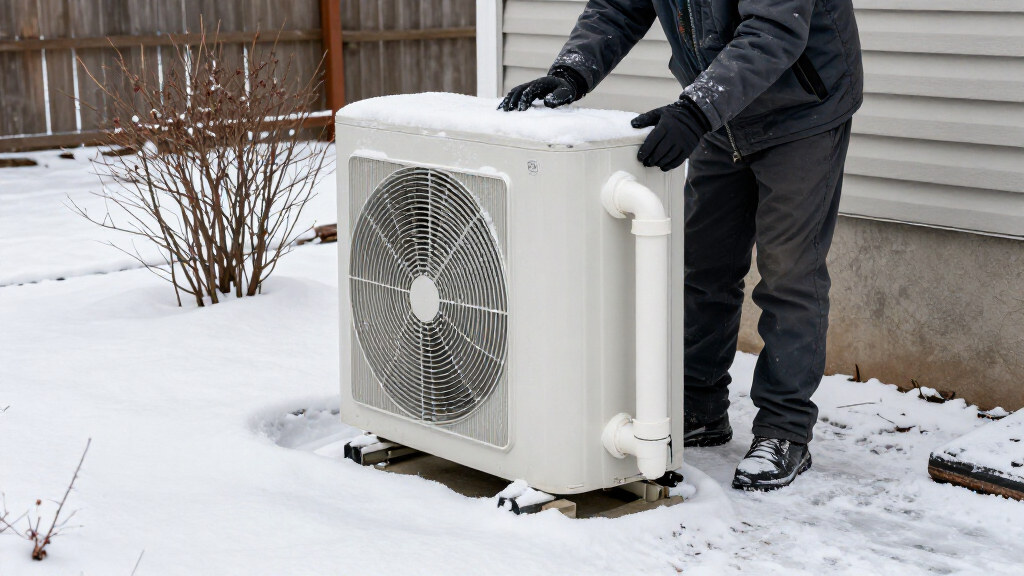
YouTuber SVAquaholic3 has demonstrated a do-it-yourself snow guard made from PVC pipe and a sloped roof for a vertical-discharge outdoor heat pump, presenting a less expensive alternative to some commercial covers. The design may help keep snow and ice off the unit, but its fit, airflow and mounting safety need to be checked against the specific heat pump, including its outdoor components, before anyone builds or installs it.

Get cleaning gear delivered free with Prime
- Fast, free delivery on millions of items
- Prime Video, Amazon Music and more included
- Member-only deals all year
The demonstrated frame is built around a 26-inch-square PVC base, with risers measuring 14 inches at the back and 12 inches at the front. A larger top frame, approximately 26 by 42 inches, supports a sloped roof intended to shed precipitation. The example uses a clear acrylic panel and cable ties; the builder applied two coats of spray-on automotive wax to encourage snow and ice to slide off.
The listed frame materials are eight half-inch elbows, 10 half-inch tees and a little more than two 10-foot lengths of half-inch pipe, along with cable ties and roof material. The pipe and fittings are estimated to cost about $31 at Home Depot. Roof material changes the total: a thick acrylic panel of the stated size is estimated at about $87, while corrugated polycarbonate is about $65. Lower-cost alternatives listed include Coroplast or a thin wall covering at about $27, and window screen at about $11.50. These are example prices, not a fixed or current quote.
The creator’s design was made for an older Lennox unit that discharges air vertically. In that configuration, the cover sits above the fan outlet. Commercial vertical-discharge guards from Lennox, Carrier and Trane are described as typically sitting about 18 to 20 inches above the unit. The DIY frame’s height and construction are not shown to be approved for other models, and commenters have raised concerns about whether it leaves enough room for airflow.
A DIY snow guard for one heat pump setup
A PVC frame and sloped roof may shield a vertical-discharge heat pump from snow and ice. Its airflow, fit and mounting safety remain unconfirmed.
Built for an upward outlet
The demonstrated design was made for an older vertical-discharge Lennox unit.
PVC base and risers
A 26-inch-square base supports a larger top frame, about 26 by 42 inches.
Sloped to shed precipitation
The example uses clear acrylic and cable ties; the builder applied automotive wax.
Roof choice changes the cost
The pipe and fittings estimate excludes the roof material, and prices are examples rather than current quotes.
The trade-off
The DIY appeal is lower material cost, while commercial guards reviewed for the report averaged about $375.
- Example PVC materials subtotal with acrylic: about $118.
- Fit and airflow for other models are not established.
- Reviewed prices ranged from roughly $50 to almost $1,000.
- Typical clearance above vertical outlets is about 18 to 20 inches.
Check before building
The dimensions are not a universal plan for vertical- or horizontal-discharge heat pumps.
Check its model and discharge direction.
Follow manufacturer instructions; ask a qualified HVAC professional if compatibility or support is uncertain.
Look for loose ties, damage, blocked airflow or accumulating snow.
Cost and Heat Pump Protection
Snow and ice can create practical problems for outdoor heat pump equipment, including accumulation around a fan or moisture entering the system. Manufacturers of snow guards say their products help limit that buildup and protect equipment. A cover that blocks airflow or is not securely attached, however, could create a different problem, so a low materials price alone does not establish that a design is safe or effective.
The cost comparison helps explain the DIY appeal. Commercial guards reviewed for the report averaged about $375, with observed prices ranging from roughly $50 to almost $1,000. But the PVC frame’s $31 estimate excludes the roof panel, and the higher-priced acrylic option brings the subtotal to around $118 before other costs. The completed design may still be cheaper than many commercial products, but the savings depend on the material chosen and local prices.
Weight and attachment also matter. SVAquaholic3 says the cover in the video weighs under 1.5 pounds, while the report’s estimate for the assembled design is approximately 4.8 pounds. That difference is material for a unit mounted to a wall or foundation, where added load and cable-tie attachment need careful consideration.
Products Worth Considering

Bose SoundLink Max Portable Bluetooth Speaker, IP67 Waterproof, Black

Roborock Q10 S5+ Robot Vacuum and Mop with Self-Emptying Station, 10,000 Pa Suction

LEVOIT Vital 200S-P Smart Air Purifier for Large Rooms
As an affiliate, we earn on qualifying purchases.
A Cover Built for One Unit
The example addresses a specific setup: an older vertical-discharge Lennox heat pump, with the fan sending air upward. A roof above that outlet needs sufficient clearance so it does not obstruct discharge. Horizontal-discharge models have different airflow patterns; their covers may sit closer to the top because they are not covering an upward outlet. The PVC dimensions should not be treated as a universal plan for either configuration.
Commercial covers are available, but they are not necessarily included with a heat pump. The report suggests that demand may vary because many owners do not encounter enough snow and ice to need a guard. It also notes that some commercial designs may be visually intrusive. That background helps explain interest in a simple custom frame, but appearance and price do not replace a manufacturer’s installation instructions.
Reported prices are snapshots from listed materials and retailers, not a market survey with a stated date or a guarantee of present availability. The commercial price range and average likewise describe products reviewed, rather than every model on sale. Roof choice can affect durability, snow shedding, visibility and the amount of weight added.
“The snow guard weighs under 1.5 pounds.”
— SVAquaholic3, in the YouTube video
Fit, Airflow and Mounting Questions
The available details do not establish whether the PVC cover has been tested for airflow, snow loads or long-term weather exposure. YouTube commenters have questioned the clearance above the fan, but the comments are not a controlled assessment. It is also unclear whether the design complies with the installation requirements for any model beyond the unit shown.
The finished cover’s weight is disputed: the creator says it is under 1.5 pounds, while an estimate based on the listed materials puts it near 4.8 pounds. The exact roof material, fasteners, pipe lengths and completed assembly can change the weight. The source material also does not provide a manufacturer approval, measured performance results, or evidence that the cover reduces maintenance or extends equipment life.
Before building or attaching a guard, owners should check the heat pump manufacturer’s instructions and consult a qualified HVAC professional if compatibility or mounting is uncertain. The frame must not obstruct airflow, service access, drainage or moving parts, and a wall-mounted unit must be able to support any added load. Local requirements may also apply.
Check the Unit Before Building
The next step for an owner considering this design is to identify the heat pump’s model and discharge direction, then compare the proposed cover with the manufacturer’s clearance and snow-protection instructions. A qualified HVAC professional can assess whether a guard is appropriate, whether the proposed height allows airflow, and whether the attachment point can carry the added weight.
If the design is adapted, the roof material and frame dimensions should be selected for the specific unit and local winter conditions rather than copied without changes. Owners should also inspect the guard after installation and during snow season for loose ties, damage, blocked airflow or accumulating snow. No follow-up testing or manufacturer evaluation of SVAquaholic3’s design is reported, so its performance in other installations remains unconfirmed.
Source: rss
Key Questions
How much does the PVC heat pump cover cost?
The PVC pipe and fittings are estimated at about $31. Roof materials add to that amount: the listed examples range from about $11.50 for window screen to about $87 for a thick acrylic panel. Prices can vary by retailer and location.
Will this design work with any outdoor heat pump?
No universal compatibility is established. The demonstrated cover was made for an older vertical-discharge Lennox unit. Horizontal-discharge models and other designs have different clearance and mounting needs, so check the specific manufacturer’s instructions.
Could the cover block airflow?
That remains an open question. Commenters have raised concerns about clearance, and no airflow testing is reported. A guard should not obstruct the fan outlet; ask a qualified HVAC professional to check clearances for the unit.
How heavy is the completed cover?
The creator says the guard weighs under 1.5 pounds, while an estimate based on the listed materials puts the assembled design at about 4.8 pounds. The actual weight depends on the frame and roof material, which matters especially for a wall-mounted unit.
Source: hunker.com