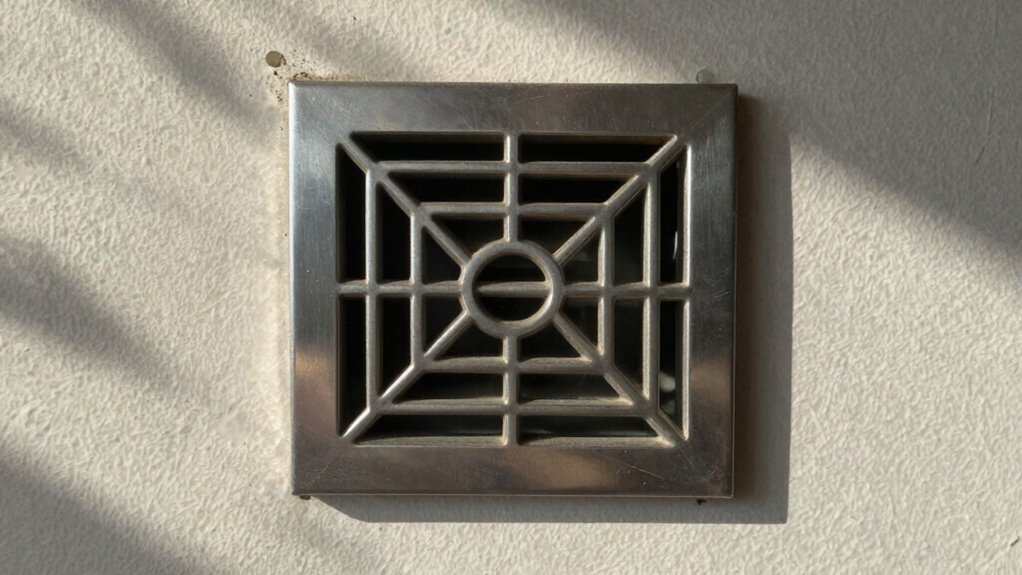

Vent covers do more than just look good—they directly affect your indoor air quality, energy bills, and HVAC system lifespan. If they’re dirty or poorly designed, dust and allergens can escape into your home, worsening allergies and respiratory issues. Blocked or inefficient covers make your heater or air conditioner work harder, raising costs and shortening equipment life. Understanding how to pick and maintain the right vent covers can positively impact your home’s health and efficiency—keep going to find out how.
Open a free Amazon Business account
Business pricing, bulk buying and tax-exempt orders.
As an affiliate, we earn on qualifying purchases.
Key Takeaways
- Vent covers influence indoor air quality by trapping dust and allergens, preventing their release into living spaces.
- Properly designed covers optimize airflow, improving HVAC efficiency and reducing energy consumption.
- Material and fit affect debris buildup and air leaks, impacting system performance and longevity.
- Regular maintenance of vent covers prevents dust accumulation and extends HVAC system lifespan.
- Aesthetic choices can encourage regular cleaning, enhancing both home appearance and functional performance.
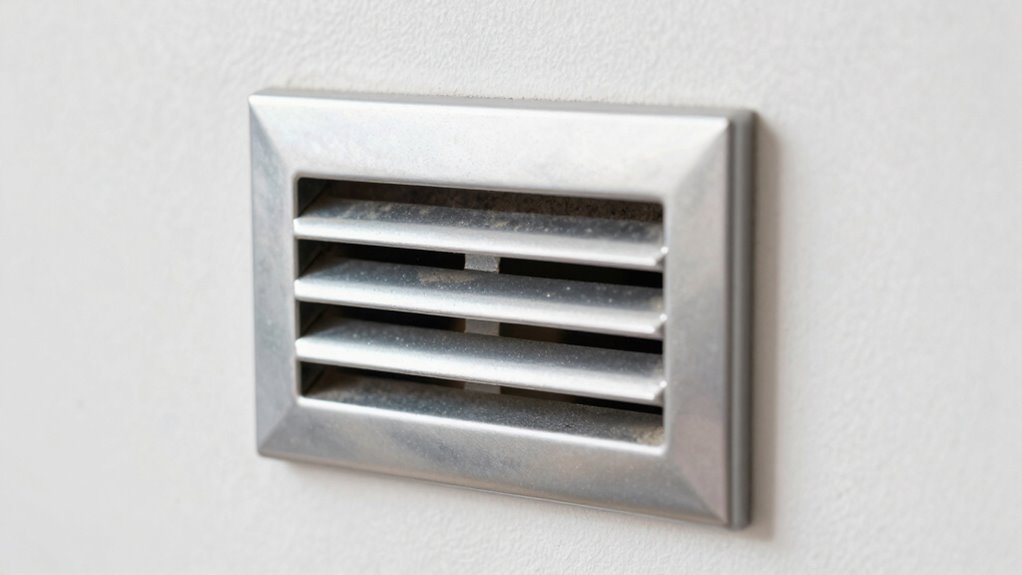
Have you ever considered how vent covers influence your home’s air quality and energy efficiency? It might seem like a small detail, but the type of vent cover you choose can have a noteworthy impact on how well your heating and cooling systems work. Proper airflow efficiency is essential because it ensures that air circulates smoothly throughout your home, maintaining consistent temperatures and reducing energy waste. When vent covers are blocked or poorly designed, they restrict airflow, forcing your HVAC system to work harder than necessary. This increased effort not only raises your energy bills but also shortens the lifespan of your equipment.
Choosing the right vent cover enhances airflow, reduces energy costs, and extends HVAC system life.
Beyond efficiency, vent covers also play a key role in controlling allergens and dust. If your vent covers aren’t cleaned regularly or are made from materials that trap debris, dust particles and allergens can accumulate. When your HVAC system kicks on, these particles are blown into your living spaces, which can worsen allergies or respiratory issues for you and your family. Choosing vent covers that are easy to clean and designed to minimize dust buildup can considerably improve indoor air quality. Metal or plastic covers with smooth surfaces tend to collect less dust compared to fabric or ornate designs that trap debris in crevices. Regular maintenance of airflow efficiency can prevent buildup and keep your home healthier.
The material and design of your vent covers influence how effectively they filter the air entering your rooms. A poorly designed cover can cause air to leak around the edges, reducing airflow efficiency and allowing unfiltered air to circulate. On the other hand, a well-fitted, high-quality vent cover directs airflow where it’s needed most, making your HVAC system more effective and energy-efficient. Some covers include filters or screens that catch larger particles, further helping to reduce allergens and dust circulating through your home. Regular maintenance, including cleaning or replacing these filters, makes a noticeable difference in air quality. Additionally, choosing vent covers with proper fit can prevent air leaks and improve overall system performance. Properly selecting appropriate materials can also help to minimize dust and debris buildup, enhancing the longevity of your vent covers. Keeping these components in good condition is essential for maintaining optimal indoor air quality.
In addition to functionality, vent covers contribute to your home’s overall aesthetic. While appearance may seem secondary, choosing a style that complements your decor encourages regular cleaning and maintenance, ensuring they perform their role properly. Moreover, selecting aesthetic options that blend seamlessly with your interior design can motivate you to keep them in good condition, ultimately benefiting your home’s health and efficiency. When you pay attention to the quality and design of your vent covers, you’re investing in a healthier, more efficient home. Properly selected and maintained vent covers help you save money on energy bills, improve indoor air quality by reducing allergens and dust, and keep your HVAC system running smoothly. It’s a small change that can make a big difference in your comfort and health.
As an affiliate, we earn on qualifying purchases.
Frequently Asked Questions
How Do Vent Covers Influence Indoor Air Quality?
Vent covers influence your indoor air quality by regulating airflow and trapping allergens. When you choose the right vent cover, it helps control airflow, ensuring consistent ventilation and reducing dust and allergens circulating in your space. Properly designed covers trap particles, preventing them from spreading and improving overall air quality. This means you breathe cleaner air, and your home stays healthier, especially if you or your family members have allergies or respiratory issues.
Can Vent Covers Improve HVAC Efficiency?
Yes, vent cover design can dramatically boost your HVAC efficiency, turning your system into a powerhouse of performance. By choosing vent covers with ideal airflow and proper placement, you can reduce energy waste and lower bills. Aesthetic considerations matter too—sleek, well-designed vent covers blend seamlessly into your decor, making your space look better while your HVAC works smarter, not harder. It’s a win-win for comfort and style!
Are There Health Risks Associated With Certain Vent Covers?
Yes, certain vent covers can pose health risks if they’re made from materials that release fumes or trap dust and mold. Poor Vent cover maintenance can exacerbate these issues, leading to allergens or mold growth that affects air quality. While Vent cover aesthetics matter, choosing covers made from safe, non-toxic materials and cleaning them regularly helps minimize health risks and guarantees better indoor air quality.
How Do Vent Covers Affect Noise Levels in a Room?
Think of vent covers like a damper in a pipe, controlling the flow of noise. They considerably influence sound absorption and noise reduction in your room. A well-designed cover can block out loud sounds, making your space quieter, while a poorly chosen one can amplify noise. By selecting the right vent cover, you improve sound control and create a more peaceful environment, enhancing your comfort and overall room ambiance.
What Materials Are Best for Durable Vent Covers?
You should choose vent covers made from durable materials like aluminum, steel, or high-quality plastic, as they resist corrosion and damage over time. These materials offer excellent material durability, ensuring your vent covers last longer. Additionally, they come in a wide aesthetic variety, allowing you to match your decor effortlessly. Opting for sturdy, stylish options keeps your space functional and visually appealing, making your investment worthwhile.
As an affiliate, we earn on qualifying purchases.
Conclusion
Vent covers aren’t just a pretty face—they’re the silent conductors of your home’s comfort. Like a gentle hand guiding a song, they influence airflow, energy efficiency, and even air quality. When you choose wisely, you’re tuning your space for harmony, turning a simple detail into a symphony of comfort. So, next time you glance at your vents, remember—they’re more than looks; they’re the rhythm that keeps your home in perfect tune.
As an affiliate, we earn on qualifying purchases.
As an affiliate, we earn on qualifying purchases.
NFL season / tailgating Picks
team gear
As an affiliate, we earn on qualifying purchases.