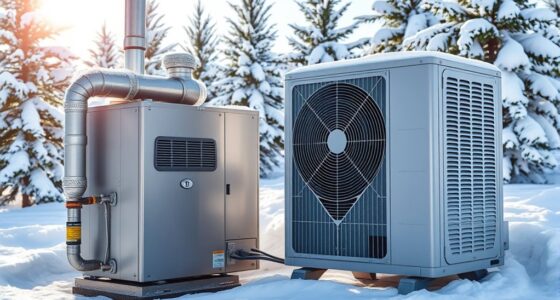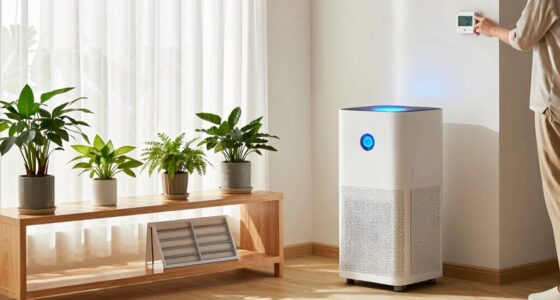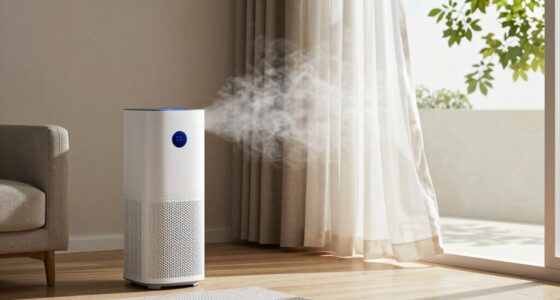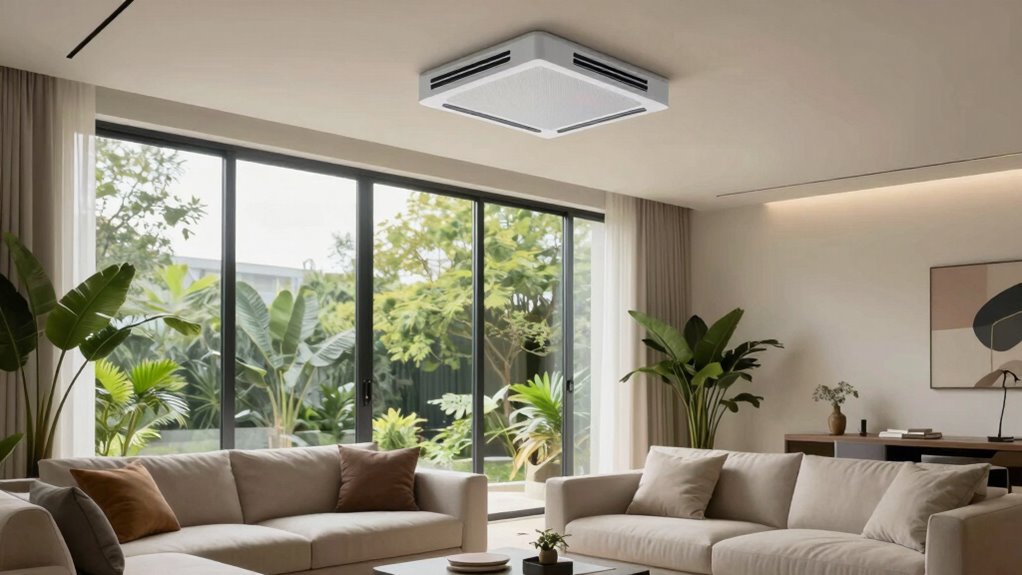

In 2026, you’re paying more attention to ventilation because healthier indoor air means fewer allergies, better overall comfort, and lower energy bills. Smart systems now monitor air quality in real time and automatically adjust airflow, ensuring your home stays fresh and safe. As building codes become stricter, advanced solutions like heat recovery ventilators are more accessible and effective. Keep exploring to discover how these innovations can transform your living space.
Listen free for 30 days with Audible
Thousands of audiobooks and originals — cancel anytime.
As an affiliate, we earn on qualifying purchases.
Key Takeaways
- Increasing awareness of indoor air quality and health concerns drives homeowners to prioritize effective ventilation systems.
- Tighter building codes and regulations necessitate advanced ventilation solutions for compliance.
- Smart technology integration allows remote monitoring and control, making ventilation more accessible and convenient.
- Energy-efficient systems like HRVs and ERVs help reduce utility costs while maintaining indoor comfort.
- Growing focus on sustainability and cost savings encourages adoption of innovative, efficient ventilation technologies.
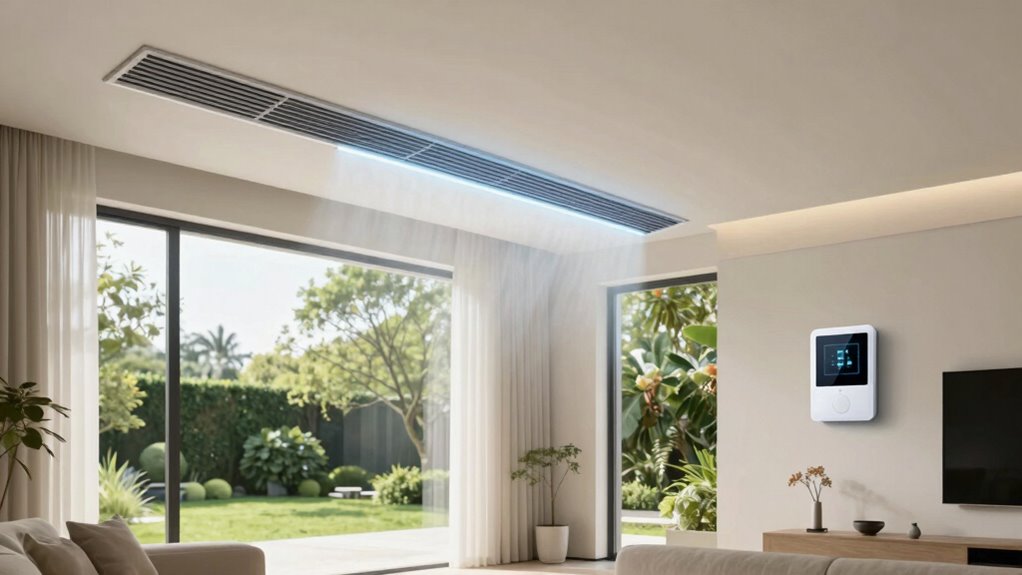
Have you ever wondered how ventilation in homes will evolve by 2026? It’s a question more homeowners are asking as awareness about indoor air quality and energy efficiency grows. You might notice that modern ventilation systems are becoming smarter, more integrated, and designed to prioritize your health while also saving you money. With tighter building codes and advancements in technology, the focus isn’t just on airflow anymore — it’s on creating healthier, more energy-efficient living environments.
Today, indoor air quality is a top concern because we spend so much time indoors. Poor ventilation can lead to a buildup of pollutants, allergens, and moisture, which can cause health issues or exacerbate existing conditions like asthma. You’ll find that new systems are equipped with sensors that monitor air quality in real time, adjusting airflow automatically to guarantee your home stays fresh and safe. These innovations mean you won’t have to manually open windows or worry about stale air lingering, especially during cold or hot seasons when natural ventilation is less practical.
At the same time, energy efficiency remains a key driver behind these advancements. Older ventilation methods often resulted in significant energy loss, as they either over-ventilated or didn’t ventilate enough, leading to higher heating or cooling costs. Modern systems are designed to maximize airflow, bringing in fresh air while minimizing energy waste. Heat recovery ventilators (HRVs) and energy recovery ventilators (ERVs) are popular examples, capturing heat from outgoing air to warm incoming air, making the process highly efficient. By doing this, you get cleaner air without skyrocketing your utility bills. Additionally, the integration of smart home technology is enhancing these systems’ capabilities, making them more adaptive and user-friendly. As these systems become more connected, they can seamlessly work together to optimize your home’s overall environment. Incorporating advanced control systems further enhances their effectiveness, allowing for precise adjustments based on your preferences and external conditions.
The push toward smarter, integrated systems means that your ventilation isn’t just a standalone feature anymore. It’s part of a holistic approach to home health and efficiency, often connected to your smart home devices. You can control and monitor your indoor environment remotely, receiving alerts if air quality drops or if maintenance is needed. This level of automation ensures that your home maintains the best conditions with minimal effort.
As we approach 2026, the trend is clear: homeowners are paying more attention to ventilation because they understand its impact on health and energy costs. You’re likely to see more homes equipped with advanced systems designed for maximum indoor air quality and energy efficiency. Additionally, innovations driven by advancements in technology are making these systems more accessible and effective than ever before. The goal isn’t just to breathe easier but to do so in a way that’s sustainable and cost-effective. Ventilation is evolving from a simple necessity into a sophisticated, integral part of your home’s comfort and safety.
As an affiliate, we earn on qualifying purchases.
Frequently Asked Questions
How Does Ventilation Impact Indoor Air Quality Long-Term?
Proper ventilation considerably improves your indoor air quality over the long term by reducing pollutants, moisture, and allergens. This continuous airflow helps eliminate toxins and prevents mold growth, contributing to better health benefits. By maintaining good ventilation, you lower the risk of respiratory issues and allergies, ensuring a healthier living environment. In 2026, more homeowners realize that investing in ventilation systems directly enhances their overall well-being and comfort indoors.
Are There Any Government Incentives for Upgrading Home Ventilation Systems?
You might think upgrading your ventilation system is costly, but government grants and tax incentives make it more affordable. Many local and federal programs now offer financial support for improvements that boost indoor air quality. These incentives encourage homeowners like you to invest in modern, energy-efficient systems, helping you save money long-term while creating a healthier living environment. Check your area’s specific programs to take advantage of available financial assistance.
What Are the Latest Technologies in Residential Ventilation?
You’ll find that the latest residential ventilation technologies include innovative ductwork systems that enhance airflow efficiency and reduce energy costs. Smart air purifiers now integrate with home automation, allowing you to monitor air quality remotely and adjust settings easily. These advancements guarantee your home stays healthier and more comfortable, while also providing convenience and energy savings through intelligent design and connectivity.
How Does Climate Change Influence Home Ventilation Needs?
Ever wonder how climate change impacts your home’s ventilation needs? It drives climate adaptation efforts, making proper air filtration essential to combat increased pollutants and allergens. As temperatures rise and weather patterns shift, you need systems that adapt, ensuring fresh air enters while harmful particles exit. This means upgrading ventilation to protect your indoor air quality, so you stay healthy and comfortable despite changing environmental conditions.
Can Improved Ventilation Reduce Energy Bills Effectively?
Yes, improved ventilation can effectively reduce your energy bills. By incorporating air filtration and humidity control, you guarantee better airflow without over-relying on heating or cooling systems. Proper ventilation keeps indoor air fresh and moisture balanced, which means your HVAC system doesn’t work as hard. This efficiency lowers energy consumption, saving you money while enhancing comfort and indoor air quality.
As an affiliate, we earn on qualifying purchases.
Conclusion
As you focus on improving your home’s ventilation in 2026, you’re setting yourself up for better health and comfort. Remember, a well-ventilated home is the backbone of a happy living environment. Don’t wait until problems blow up in your face—stay ahead of the game and keep fresh air flowing. It’s a small change that can make a big difference, helping you breathe easy and enjoy your space to the fullest.
As an affiliate, we earn on qualifying purchases.
As an affiliate, we earn on qualifying purchases.
Fall Picks
fall essentials
As an affiliate, we earn on qualifying purchases.