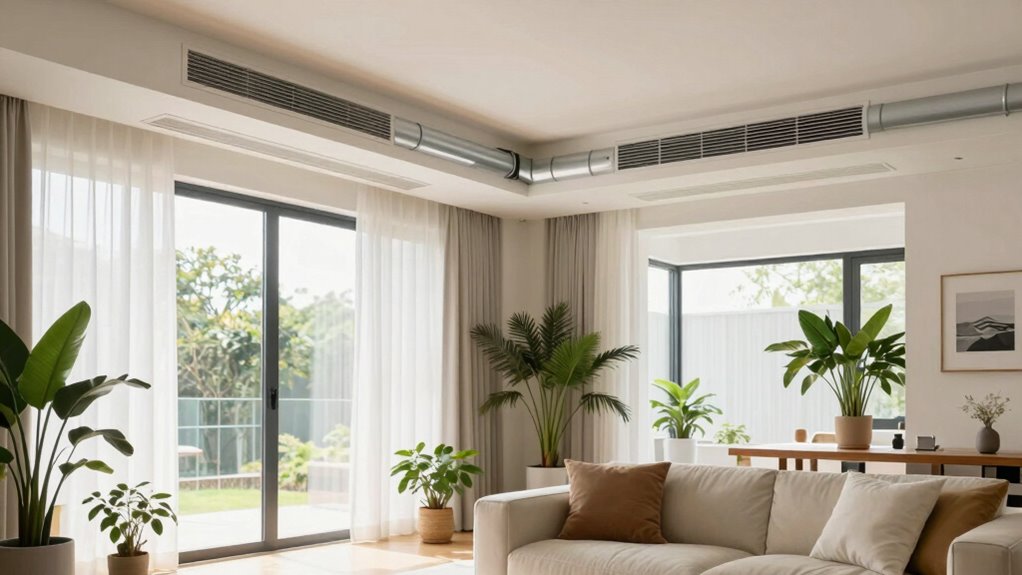

More homeowners are finally realizing that whole-house ventilation offers a simple, effective way to improve indoor air quality and energy efficiency. It constantly exchanges stale air for fresh outdoor air, reducing pollutants, allergens, and humidity. This system can be customized to control temperature and humidity, helping prevent mold and improve comfort. With smart features and energy-saving benefits, it’s becoming a popular choice for healthier, more sustainable living—if you want to know more, you’re in the right place.

Get cleaning gear delivered free with Prime
- Fast, free delivery on millions of items
- Prime Video, Amazon Music and more included
- Member-only deals all year
Key Takeaways
- Growing awareness of indoor air quality issues motivates homeowners to adopt whole-house ventilation systems.
- Energy-efficient features like ERVs and HRVs provide clean air while reducing utility costs.
- Tight, well-insulated homes require controlled ventilation to prevent indoor pollutant buildup.
- Advances in smart controls make system monitoring and customization more accessible.
- Long-term health, comfort, and energy savings drive increased homeowner interest in whole-house ventilation.
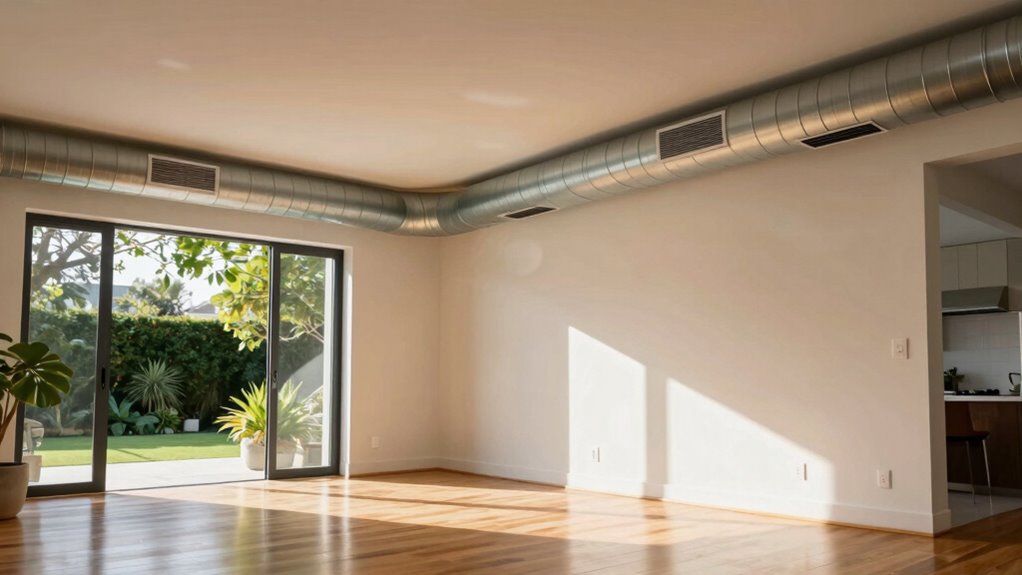
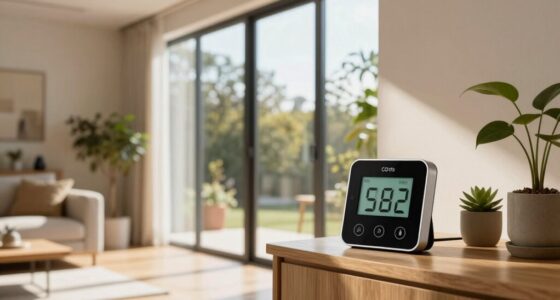
Having proper ventilation is essential for maintaining a healthy and comfortable home, and whole-house ventilation systems provide an effective solution. These systems help improve indoor air quality by constantly exchanging stale air for fresh outdoor air, reducing pollutants, allergens, and humidity that can accumulate inside. As a homeowner, you might notice that indoor air feels stuffy or that odors linger longer than they should. Whole-house ventilation addresses these issues by ensuring a steady flow of clean air throughout your home, creating a healthier living environment.
Proper ventilation with whole-house systems ensures fresh air, reduces pollutants, and creates a healthier, more comfortable home environment.
One of the key reasons more homeowners are turning to whole-house ventilation is its positive impact on indoor air quality. Poor ventilation can trap dust, pet dander, mold spores, and volatile organic compounds (VOCs), which can cause respiratory problems or worsen allergies. By integrating a proper ventilation system, you actively remove these airborne contaminants, promoting better health for everyone in your household. It’s especially important if you use chemical cleaners, air fresheners, or have indoor plants, as these can contribute to indoor pollution levels. With a whole-house system, you don’t have to worry about opening windows or relying solely on portable air purifiers, which may not be as effective for larger spaces or consistent air exchange.
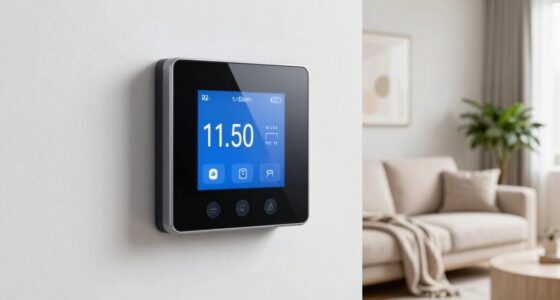
Energy efficiency is another compelling reason to contemplate a whole-house ventilation system. Modern systems are designed to work intelligently with your home’s existing heating and cooling infrastructure. They incorporate energy recovery ventilators (ERVs) or heat recovery ventilators (HRVs), which capture the warmth or coolness from outgoing air to pre-condition incoming air. This process minimizes energy loss, reducing the workload on your HVAC system and lowering your utility bills. It’s a smart way to maintain good indoor air quality without sacrificing energy efficiency. Plus, the controlled airflow prevents drafts and uneven temperature distribution, making your home more comfortable and reducing energy waste. Additionally, energy-efficient ventilation systems can contribute to a greener, more sustainable living environment. Installing a system that optimizes airflow can also help in controlling humidity and preventing issues like mold growth, which are common in poorly ventilated spaces. Properly designed systems also include filtration components, which further improve indoor air quality by removing particles and contaminants from the incoming air. Furthermore, these systems are often equipped with smart controls, allowing homeowners to monitor and adjust ventilation settings for maximum efficiency and comfort.
You’ll also appreciate that these systems can be customized to fit your specific needs, whether you’re concerned about humidity, pollution, or allergen control. Installing a whole-house ventilation system might seem like a significant investment initially, but the long-term benefits—in improved indoor air quality, energy savings, and greater comfort—make it worthwhile. As more homeowners become aware of these advantages, they’re increasingly opting for systems that provide cleaner air and energy-efficient operation, especially in tighter, well-insulated homes where natural ventilation isn’t enough. Overall, embracing whole-house ventilation is a proactive step toward a healthier, more energy-conscious home. Enhanced indoor air quality can be achieved through these systems, making your home a safer and more comfortable environment.
As an affiliate, we earn on qualifying purchases.
Frequently Asked Questions
How Much Does Whole-House Ventilation Installation Typically Cost?
You can expect whole-house ventilation installation costs to range from $2,000 to $6,000, depending on your home’s size and system type. Cost considerations include equipment quality and energy efficiency, which can influence long-term savings. Be aware of installation challenges, such as ducting or structural modifications, that might affect price. Consulting a professional helps guarantee proper installation and that you get the best value for your investment.
Can Existing Homes Be Retrofitted With Whole-House Ventilation Systems?
Yes, you can retrofit existing homes with whole-house ventilation systems. However, you might face retrofit challenges like limited space or ductwork modifications. System compatibility is essential—you’ll need to make sure the new system integrates well with your current HVAC setup. A professional assessment helps identify potential issues, making certain the retrofit process is smooth. With proper planning, you can enjoy improved indoor air quality without major disruptions.
What Maintenance Is Required for a Whole-House Ventilation System?
You need to regularly replace or clean air filters to keep your whole-house ventilation system running efficiently. It’s also important to check for any system troubleshooting issues, like unusual noises or poor airflow, which could indicate a problem. Keep an eye on ducts and vents for dust buildup or obstructions. Performing routine maintenance guarantees your system operates effectively, improves indoor air quality, and prolongs its lifespan.
How Does Ventilation Impact Indoor Air Quality Long-Term?
Imagine fresh, clean air flowing through your home like a gentle breeze, pushing out stale air. Proper ventilation improves your indoor air quality over time by reducing pollutants, allergens, and moisture. This continuous refreshment promotes healthier breathing and prevents mold growth. The long-term health benefits include fewer respiratory issues and better overall well-being. You’ll notice a more comfortable, safer environment that supports your family’s health every day.
Are There Energy Efficiency Concerns With Continuous Ventilation?
Yes, there are energy efficiency concerns with continuous ventilation. You might experience some energy loss due to constant airflow, especially if the system isn’t properly balanced or insulated. However, modern ventilation systems are designed with airflow regulation features that help minimize energy waste. By choosing energy-efficient models and ensuring proper installation, you can maintain good indoor air quality without markedly increasing your energy bills.
As an affiliate, we earn on qualifying purchases.
Conclusion
Thinking about whole-house ventilation is like giving your home a gust of fresh air. It’s not just about removing stale air but creating a healthy, comfortable space where every corner feels alive with renewal. As more homeowners recognize its benefits, you’re not just fixing a problem—you’re opening a window to a brighter, more breathable future. Embrace this change, and your home will breathe easier, becoming a sanctuary that truly supports your well-being.
As an affiliate, we earn on qualifying purchases.
As an affiliate, we earn on qualifying purchases.
Halloween Picks
halloween
As an affiliate, we earn on qualifying purchases.