
Even if your home is spotless, poor air circulation and lack of ventilation can trap odors and moisture, making it feel stale and stuffy. Stagnant air often causes dust and smells to linger despite cleaning efforts. Natural airflow, fans, and proper ventilation help keep air fresh and moving. Addressing sources of odors and using natural neutralizers instead of artificial scents can make a big difference. Keep exploring to discover more simple ways to refresh your space.

Get cleaning gear delivered free with Prime
- Fast, free delivery on millions of items
- Prime Video, Amazon Music and more included
- Member-only deals all year
Key Takeaways
- Poor air circulation traps moisture and odors, making the space feel stuffy despite cleanliness.
- Inadequate ventilation prevents fresh air from replacing stale indoor air.
- Relying on scent masking products can create a confusing, artificial aroma rather than eliminating odors.
- Odors from sources like trash, pets, or damp laundry persist if not addressed at the source.
- Lack of natural airflow and stale air can make a clean home feel uninviting and dull.
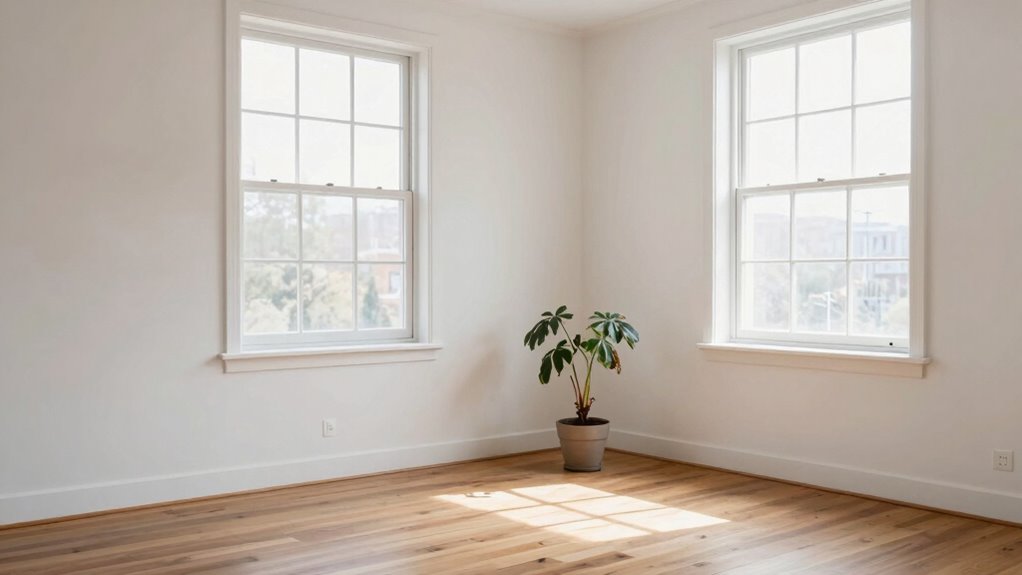
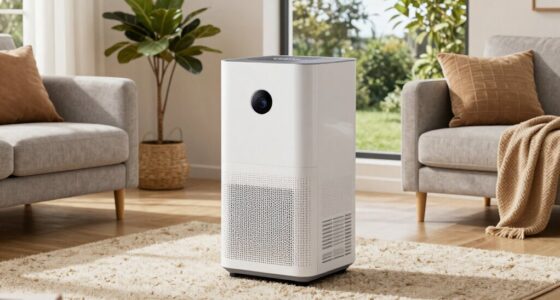
Even when your home is spotless, it can still feel stale and uninviting. One main reason is poor air circulation. When air isn’t moving, it becomes stagnant, trapping odors and moisture inside. This can make your space feel dusty and stuffy, regardless of how carefully you clean. To fix this, you need to encourage fresh air to flow through your home. Open windows whenever possible, especially in rooms that tend to trap smells, like the kitchen or bathroom. Use fans to promote airflow, and consider installing air vents if your home’s design limits natural circulation. Regularly changing your HVAC filters can also help guarantee that the air circulating is clean and free of dust or mold spores, which contribute to that stale feeling. Additionally, using air quality tools can help monitor and improve the overall air freshness in your space. Improving air circulation is essential, as it ensures that fresh air replaces stale air more efficiently. Incorporating proper ventilation methods can further enhance airflow and prevent the buildup of indoor pollutants. In some cases, adding air purifiers can also significantly boost indoor air quality by removing airborne particles and allergens.
Ensure fresh air flows by opening windows, using fans, and maintaining clean HVAC filters for a more inviting home atmosphere.
Another factor that contributes to this sensation is scent masking. When you rely solely on air fresheners or scented candles to hide underlying odors, you might temporarily cover up smells but not eliminate them. Over time, these artificial scents can blend with existing odors, creating a confusing and overwhelming environment that still feels dull and uninviting. Instead of masking smells, focus on addressing the root causes. Keep your home well-ventilated to prevent odors from lingering, and clean sources of smell—like trash cans, pet bedding, or damp laundry—regularly. Using natural odor absorbers such as baking soda or activated charcoal can also help neutralize smells without adding artificial scents.
You might also notice that scented products can contribute to that stale feeling if overused or if they’re not fresh. For example, a heavily scented air freshener can create a chemical smell that competes with natural odors, making the air feel less fresh overall. Instead, opt for subtle, natural scents from essential oils or fresh herbs, which can complement clean air and make your space feel more inviting.
Combining good air circulation with effective odor control creates a more vibrant, lively atmosphere that’s free of that stale, uninviting feeling. It’s not just about cleaning surfaces but guaranteeing the air you breathe is fresh and moving. When you give your home proper ventilation and address odors at their source, you transform the environment into a space that feels alive and welcoming. It’s these small but vital adjustments that turn a clean but stale home into a truly comfortable haven.
As an affiliate, we earn on qualifying purchases.
Frequently Asked Questions
Can Poor Ventilation Cause a Stale Smell in a Clean Home?
Yes, poor ventilation can cause a stale smell in a clean home. When air exchange is limited, humidity levels can rise, trapping odors and moisture indoors. Without proper airflow, fresh air doesn’t circulate, allowing musty or stale odors to linger. Improving ventilation helps regulate humidity and promotes better air exchange, which freshens your space and keeps it smelling clean and inviting.
How Do Indoor Plants Improve Home Freshness?
Like a gust of invigorating air from a secret garden, indoor plants boost your home’s freshness by improving indoor humidity and filtering odors. They absorb moisture and release oxygen, making the environment more vibrant. With proper plant maintenance, you keep them healthy, ensuring continuous air purification. This natural process helps eliminate stale smells and creates a lively, inviting atmosphere, turning your home into a sanctuary of crisp, clean air.
Do Air Purifiers Eliminate All Indoor Odors?
Air purifiers can’t eliminate all indoor odors because of their limitations. They effectively remove many airborne particles and some odor molecules, but stubborn smells from cooking, pets, or mold may persist. While they improve air quality, they don’t fully conquer every odor. To reduce lingering smells, combine use of an air purifier with proper ventilation, cleaning, and odor-neutralizing products.
Can Cleaning Products Contribute to a Stale Atmosphere?
Cleaning products can contribute to a stale atmosphere because chemical residues linger and can linger in the air, creating a chemical scent that masks odors rather than eliminating them. Over time, scent masking ingredients may build up, making your home feel less fresh. To avoid this, choose natural or low-chemical cleaners, ventilate well during and after cleaning, and regularly air out your space to maintain a lively, clean scent.
How Often Should I Air Out My Home for Freshness?
You should air out your home at least once or twice a day, for about 10-15 minutes each time, to keep your air quality fresh enough to see odors disappear like magic. Regular ventilation helps reduce stale smells and prevents odor absorption, making your home feel lively and inviting. Don’t forget, fresh air also boosts your mood and overall health, so make airing out part of your daily routine.
As an affiliate, we earn on qualifying purchases.
Conclusion
If your home still feels stale despite being spotless, it’s like trying to breathe new life into a well-worn song. Sometimes, fresh air, plants, or a splash of essential oils can turn the stale into a sanctuary. Remember, a clean house isn’t just about appearance; it’s about creating a vibrant, inviting space where energy flows freely. So, open those windows and let the sunshine and good vibes flood in—you deserve a home that truly feels alive.
As an affiliate, we earn on qualifying purchases.
As an affiliate, we earn on qualifying purchases.
Fall Picks
fall essentials
As an affiliate, we earn on qualifying purchases.