You should avoid steaming delicate fabrics like silk, lace, and sheer curtains, as heat and moisture can cause shrinkage, warping, or color bleeding. Don’t use steam on electronic devices, as moisture can damage sensitive components. Porous or water-sensitive surfaces like hardwood floors, unsealed stone, and painted walls are also vulnerable to warping, staining, or peeling. Plus, surfaces like glass can develop streaks. To protect your home, learn more about what surfaces to avoid.
Listen free for 30 days with Audible
Thousands of audiobooks and originals — cancel anytime.
As an affiliate, we earn on qualifying purchases.
Key Takeaways
- Avoid steaming delicate fabrics like silk, lace, and sheer curtains to prevent shrinkage, warping, and color bleeding.
- Do not steam electronic devices or sensitive gadgets, as moisture and heat can cause damage or short circuits.
- Refrain from steaming porous or water-sensitive surfaces such as unsealed stone, hardwood floors, or natural stone.
- Never steam over painted walls or wallpaper, as high heat and moisture can loosen paint and cause bubbling.
- Avoid steaming surfaces that are prone to water damage or heat sensitivity, including porous materials and certain glass surfaces.
While steam cleaning is an effective way to disinfect and refresh many surfaces, it’s important to know which ones can be damaged by this method. Not all materials can withstand the high heat and moisture that steam introduces. If you’re considering steam cleaning, avoid using it on delicate fabrics. These fabrics, such as silk, lace, or sheer curtains, can easily be ruined by the moisture and heat, causing shrinkage, warping, or color bleeding. Instead, opt for gentle hand washing or dry cleaning for such items. Using steam on delicate fabrics can also leave behind water spots or cause fibers to weaken, reducing the lifespan of your textiles.
Avoid steam cleaning delicate fabrics like silk and lace to prevent damage, shrinking, or color bleeding.
Electronic device maintenance is another area where steam cleaning is off-limits. Devices like laptops, smartphones, and other gadgets contain sensitive components that can be damaged by moisture and heat. Steam can penetrate tiny crevices, leading to corrosion or short circuits inside the device. Additionally, the high temperatures from steam can warp plastic parts or damage screens. If your electronics are dirty, it’s best to use specialized cleaning methods—like compressed air, soft microfiber cloths, or manufacturer-approved cleaning solutions—rather than risking damage with steam.
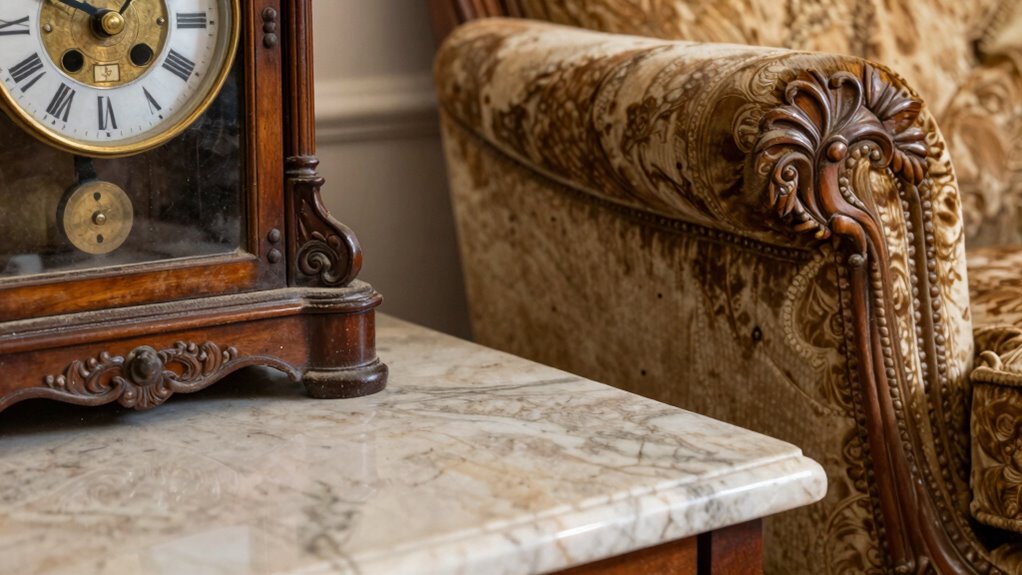
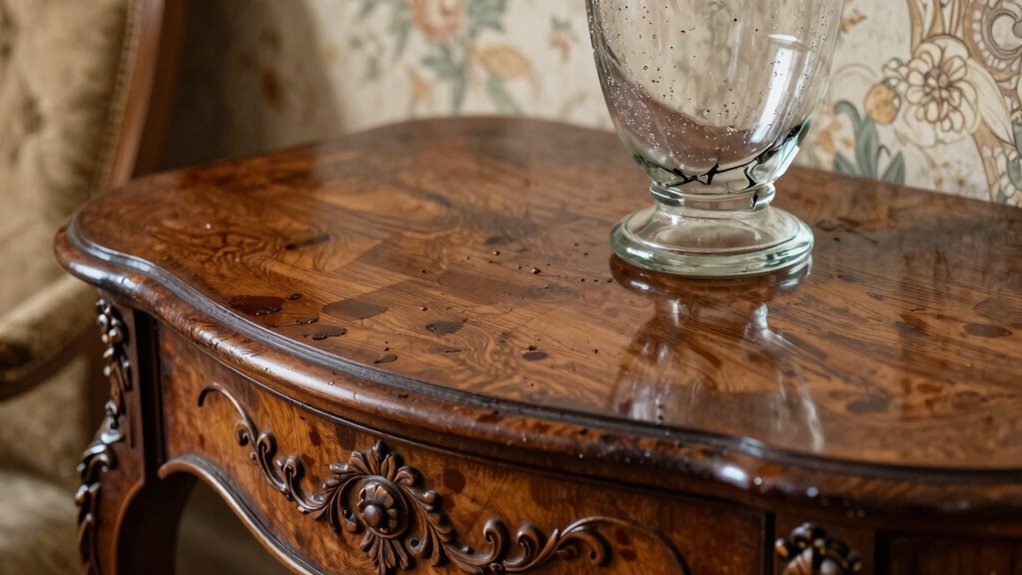
Beyond fabrics and electronics, avoid steam cleaning on surfaces that are porous or sensitive to water. Hardwood floors, for instance, can swell or warp if exposed to excessive moisture, leading to costly repairs. Similarly, unsealed or natural stone surfaces like marble and granite can absorb moisture, causing staining or deterioration. Glass surfaces, while seemingly tough, can develop streaks or water spots when exposed to steam, which may be difficult to clean thoroughly afterward. It’s also important to consider surface porosity when deciding whether to use steam cleaning, as porous materials are more prone to absorbing moisture and sustaining damage.
You should also steer clear of steam cleaning on painted walls or wallpaper. The high heat and moisture can loosen paint or wallpaper adhesive, resulting in peeling or bubbling. For these surfaces, gentle dusting or spot cleaning with a damp cloth is safer and more effective.
As an affiliate, we earn on qualifying purchases.
Frequently Asked Questions
Can Steam Cleaning Damage Electronic Devices?
Steam cleaning can indeed damage electronic devices because the high heat and moisture compromise electronic safety. When you expose gadgets to steam, you risk causing device damage, such as short circuits or corrosion. It’s best to avoid steam cleaning around electronics, as the moisture can seep into delicate components. Instead, use dry cleaning methods or specialized electronic cleaning tools to safeguard your devices and guarantee their longevity.
Is It Safe to Steam Clean Painted Walls?
It’s generally not safe to steam clean painted walls because it can cause steam damage. The high heat and moisture may peel or blister the paint, especially if it’s old or poorly applied. You might think it cleans well, but the risk of damaging your painted walls outweighs the benefits. Instead, opt for gentle cleaning methods like a damp cloth or mild soap to keep your walls looking fresh without risking harm.
Should I Steam Clean Antique or Delicate Fabrics?
Imagine fragile antique fabrics and delicate textiles as a spider’s web, shimmering but easily broken. You shouldn’t steam clean these materials because the heat and moisture can weaken fibers, causing damage or shrinking. Instead, opt for gentle vacuuming or spot cleaning with a soft cloth. Protect your treasured textiles by avoiding steam cleaning, ensuring they stay pristine and intact for years to come.
Can Steam Cleaning Harm Outdoor Stone Surfaces?
Yes, steam cleaning can harm outdoor stone surfaces if you’re not careful. The high heat and moisture may cause surface deterioration, discoloration, or even damage the stone’s integrity. For proper surface preservation, avoid using steam cleaners on delicate or porous outdoor stone. Instead, opt for gentle cleaning methods that protect the stone’s natural beauty and longevity, helping to keep your outdoor space looking great without risking damage.
Is Steam Cleaning Recommended for Leather Furniture?
Think of your leather furniture as a delicate painting; steam cleaning is like risking water damage and leather damage, which could ruin its beauty. You shouldn’t use steam on leather because it can cause irreversible leather damage and expose your furniture to chemical risks from overly harsh cleaning methods. Instead, opt for gentle, leather-specific cleaners to preserve its softness and appearance, keeping your furniture looking pristine.
As an affiliate, we earn on qualifying purchases.
Conclusion
Remember, not every surface is a friend to steam cleaning; some are as delicate as a butterfly’s wing. Pushing steam onto these can cause more harm than good, turning your cleaning routine into a recipe for disaster. Treat your fragile surfaces with care—they’re more like a tender flower than a sturdy brick wall. When in doubt, play it safe and skip the steam, preserving your home’s beauty like a precious artwork.
sealed stone and tile steam cleaner
As an affiliate, we earn on qualifying purchases.
As an affiliate, we earn on qualifying purchases.
As an affiliate, we earn on qualifying purchases.
Fall Picks
fall essentials
As an affiliate, we earn on qualifying purchases.